

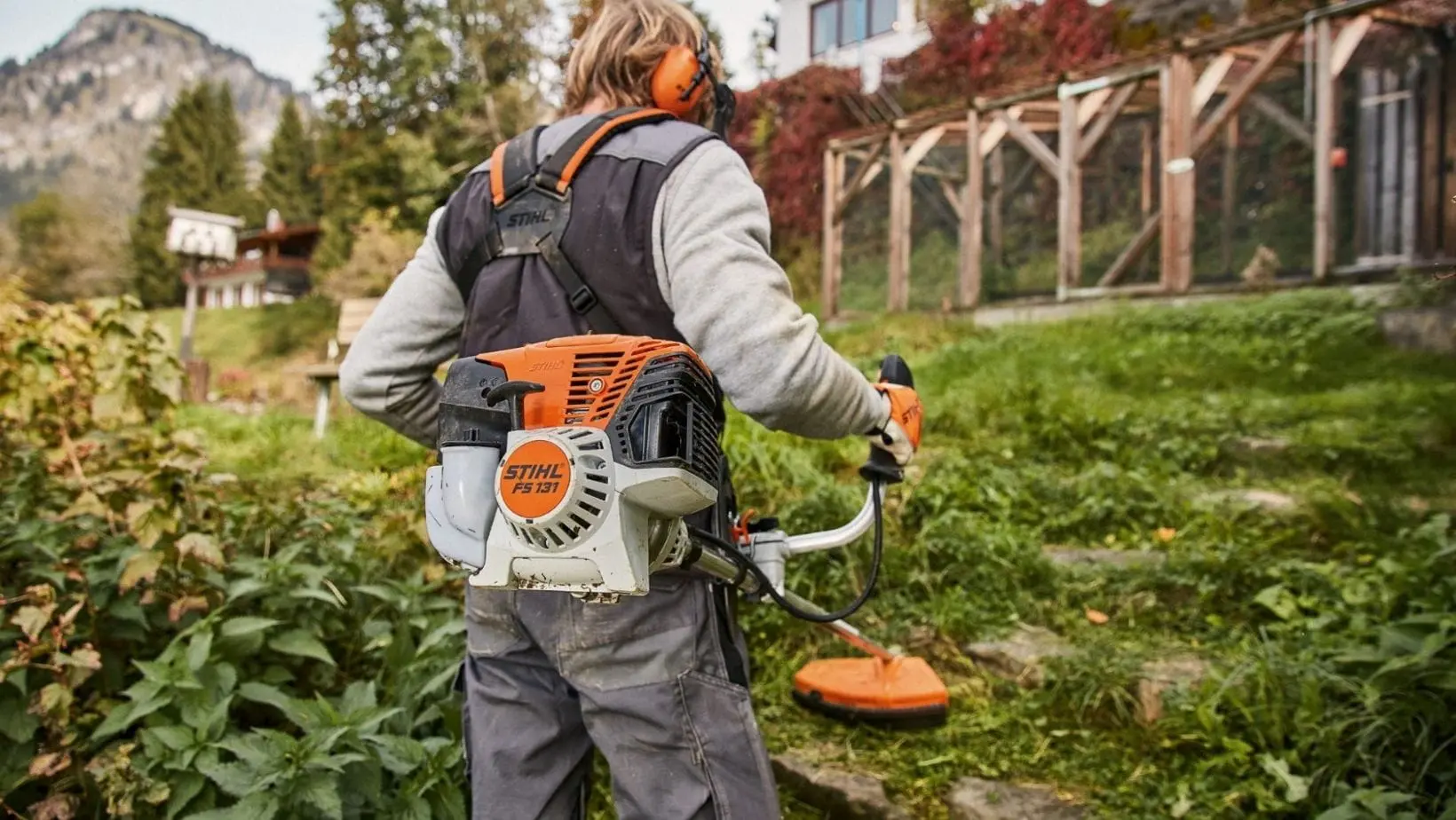
E5 petrol is better than E10 for garden machinery because it contains less ethanol, making it more stable and kinder to engine components. However, pump fuel must be fresh, as even a few weeks of ageing can cause problems. Long-life fuel is the best of all, offering ethanol-free stability, cleaner combustion, and far more reliable starting.
Why Fuel Choice Matters for Garden Machinery
To keeping garden machinery running smoothly, selecting the right fuel is essential. Many starting problems, poor performance issues, and costly repairs can be traced back to the petrol used in small engines. Therefore, understanding the difference between E5 fuel, E10 fuel, and long-life fuel can make a significant difference to your garden machinery’s reliability, performance, and engine lifespan.
Understanding the Difference Between E5 and E10 Fuel
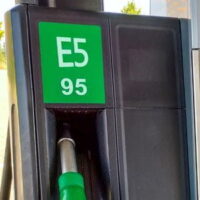 The key difference between E5 and E10 petrol lies in their ethanol content. E5 contains up to 5% ethanol, while E10 contains up to 10%. Although that may not sound like a major change, ethanol behaves very differently from petrol and can create problems in small engines.
Ethanol attracts moisture from the air. This is known as being hygroscopic. In garden machinery, absorbed moisture can lead to corrosion inside fuel tanks, carburettors, and fuel lines. The higher ethanol content in E10 means it absorbs moisture more quickly than E5, increasing the risk of internal damage.
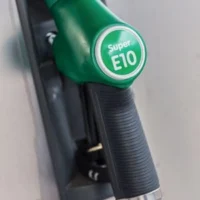 E10 fuel is also less stable than E5. Garden machinery is often left unused for weeks or months, particularly over winter. During this time, E10 can degrade rapidly, breaking down into sticky residues that block carburettor jets and fuel passages. This is one of the most common causes of hard starting and uneven running in lawnmowers, strimmers, and hedge trimmers.
Another issue is compatibility. Many small engines contain rubber seals, hoses, and plastic components that were designed for lower ethanol levels. Over time, E10 can cause these materials to swell, soften, or crack, leading to fuel leaks and air intake problems.
Because E5 contains less ethanol, it is more stable, burns more consistently, and is kinder to engine components. For this reason, E5 remains the preferred pump fuel for most garden machinery manufacturers.
The Importance of Fresh Pump Fuel
 Even when using E5, freshness is critical. Pump petrol begins to degrade surprisingly quickly. After just a few weeks, especially if stored in a vented container or machine fuel tank, fuel can lose volatility and form deposits.
Old pump fuel is a common cause of poor starting, rough idling, and reduced power. It can also leave behind varnish-like residues that clog carburettors and fuel systems. This means that even E5 fuel can cause problems if it has been sitting around for too long.
So, for best results, pump fuel should always be fresh, stored correctly, and replaced regularly. Using fuel that has already aged by several weeks can undo many of the benefits of choosing E5 over E10.
Why Long-Life Fuel Is an Even Better Alternative
Long-life fuel takes reliability a step further by addressing many of the issues associated with pump petrol altogether.
 Unlike E5 and E10, long-life fuels typically contain little to no ethanol. This significantly reduces moisture absorption and virtually eliminates the risk of fuel separation and corrosion inside the engine. As a result, fuel systems stay cleaner for longer.
Long-life fuel is also chemically stabilised. While pump fuel can begin to degrade within weeks, long-life fuel remains stable for years when stored correctly. This makes it ideal for garden machinery that may only be used occasionally or stored over winter.
Cleaner combustion is another key benefit. Long-life fuel burns more consistently and leaves fewer carbon deposits inside the engine. This helps protect components such as valves, piston rings, and exhaust ports, supporting longer engine life and more consistent performance.
Perhaps most importantly, long-life fuel dramatically improves starting reliability. Machines filled with long-life fuel are far more likely to start first time after storage, reducing frustration and the need for carburettor cleaning or repairs.
Which Fuel Should You Use?
If pump fuel is your only option, E5 petrol is always the better choice for garden machinery. It contains less ethanol, is more stable than E10, and is less likely to damage fuel system components. However, it must be fresh. Even a few weeks of storage can be enough to cause running issues in small engines.
For maximum reliability and peace of mind, long-life fuel is the superior option. It removes the risks associated with ethanol, remains stable for long periods, and helps keep engines cleaner and easier to start.
 Final Thoughts
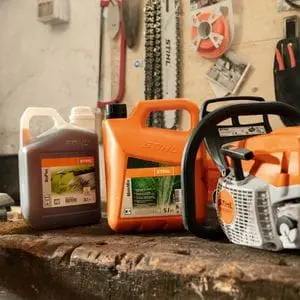
Fuel quality plays a crucial role in the performance and lifespan of garden machinery. While E5 fuel is clearly better than E10, its benefits are reduced if the fuel is not fresh. Long-life fuel offers the most reliable solution, particularly for seasonal equipment and machines that are not used regularly.
By choosing the right fuel and understanding how it behaves over time, you can reduce breakdowns, improve starting, and protect your investment in garden machinery for years to come.