


TLDR: Chainsaw operation requires proper PPE—helmet/visor, ear protection, cut‑resistant gloves, protective trousers, and safety boots—to reduce injury risk. Inspect and replace gear regularly (shorter lifespan with frequent use). PPE helps but doesn’t replace safe working practices.
Chainsaw PPE: Essential Protective Gear And Clothing For Safer Chainsaw Operation
Whether using a chainsaw for cutting firewood, trimming large branches, or even in a more professional setting like arboriculture, there is always the possibility of an unwanted accident. Not only because of the machinery itself but because it may involve working at height or with the risk of falling branches and much more. This is why it is important to mitigate these occurrences as much as possible so you can work safely and efficiently.
In this blog we will be discussing all of the essential personal protective equipment (PPE) that a chainsaw operator should have, as well as providing links for where you can find this equipment to keep you protected.
Protective helmet
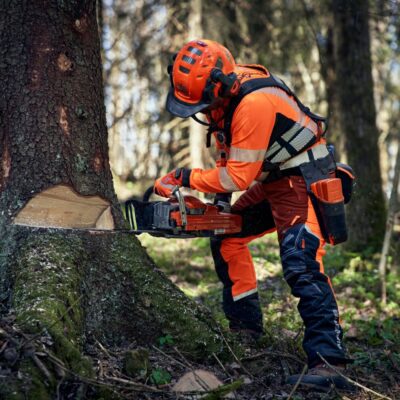
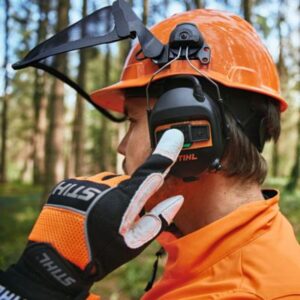 It is important to wear a safety helmet for tasks where there is the risk of falling branches and other hazards while working with a chainsaw. Many helmets combine a visor with the helmet for full coverage, protecting your head, ears, and eyes simultaneously. The visor/safety glasses will also help lessen the risk of injury by covering your face and providing you with a clear view of your surroundings.
Click HERE to browse protective helmets
Ear protection
 If you’ve used a chainsaw before you’ll know they can get very loud and when using a chainsaw for an extended period of time this can be quite damaging for your hearing. This is why it is important to make sure you prevent this from happening by using some quality ear protection. By using appropriate ear defenders as well as preventing damage to your hearing it also makes it a lot easier to concentrate on your work making sure you are 100% focussed.
Click HERE to browse ear protection
Gloves
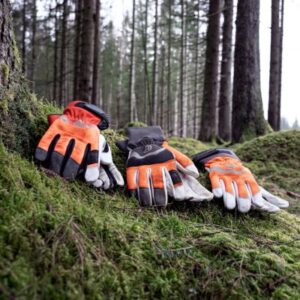 For a person who operates with chainsaws it is very important that you have a strong grip over your machinery. This is why you should invest in some robust hand protection made from strong materials like leather. Your hands face many hazards while operating a chainsaw, including flying wood chips, cold weather, and the risk of cuts. Chainsaw gloves offer a high level of cut resistance, protecting your hands while ensuring you maintain a good grip and reducing fatigue during prolonged use. It is recommended that you wear cut-resistant chainsaw gloves.
Click HERE to browse protective gloves
Leg protection
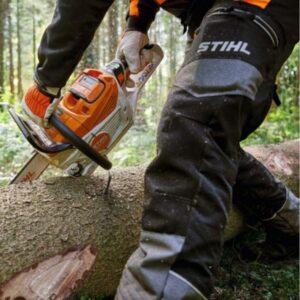 Cut protection trousers are a must when operating chainsaws. Thanks to the very robust material it has effective protection against punctures and pulled threads getting caught on your chainsaw. It is also important to make sure that all your clothes are close fitting when operating your chainsaw to allow for maximum ease of movement and to avoid anything getting caught. Some trousers that are meant for chainsaw operation PPE use materials that are equipped with fast drying material allowing for maximum comfortability.
Click HERE to browse leg protection
Footwear
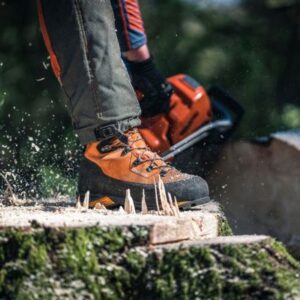 Appropriate footwear is vital when handling a chainsaw. Chainsaw safety boots with steel toe caps, grip-enhancing soles, and cut-resistant material provide the ultimate protection for your feet. A good pair of boots will also offer excellent traction on uneven ground, reducing the risk of slipping while you work. The steel toe caps and robust material ensure effective protection against the chainsaw.
Click HERE to browse protective footwear
It is IMPORTANT to note that no personal protective equipment can ensure definite protection from injury, nor does it mean you don’t have to worry about safe and appropriate working practices. However by incorporating both quality chainsaw PPE and responsible working gives you the best protection against it.
How long can you keep your chainsaw PPE for?
 You should replace chainsaw PPE as soon as it loses its protective capabilities. Regularly inspect your equipment for signs of wear, such as holes, fabric fatigue, or contamination. Always consult the manual for specific recommendations. PPE tends to degrade faster with frequent use and washing, particularly for those working in forestry. Replace protective gear if it shows clear damage or once its recommended lifespan is reached, typically one to one and a half years for professionals and up to five years for occasional users. Proper maintenance extends the safety and effectiveness of your equipment.
In conclusion, chainsaw PPE is an essential investment for anyone operating a chainsaw, whether you’re a professional or a casual user. The right protective gear can significantly reduce the risk of injury, helping you work safely and efficiently. From helmets and ear protection to gloves, leg protection, and boots, each piece of equipment plays a crucial role in safeguarding you from potential hazards. However, it’s important to remember that PPE should always be paired with safe working practices and regular inspections to ensure it remains effective. By doing so, you can maintain a higher level of safety while handling one of the most dangerous power tools.