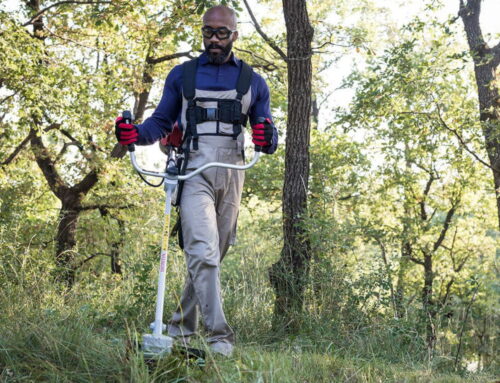

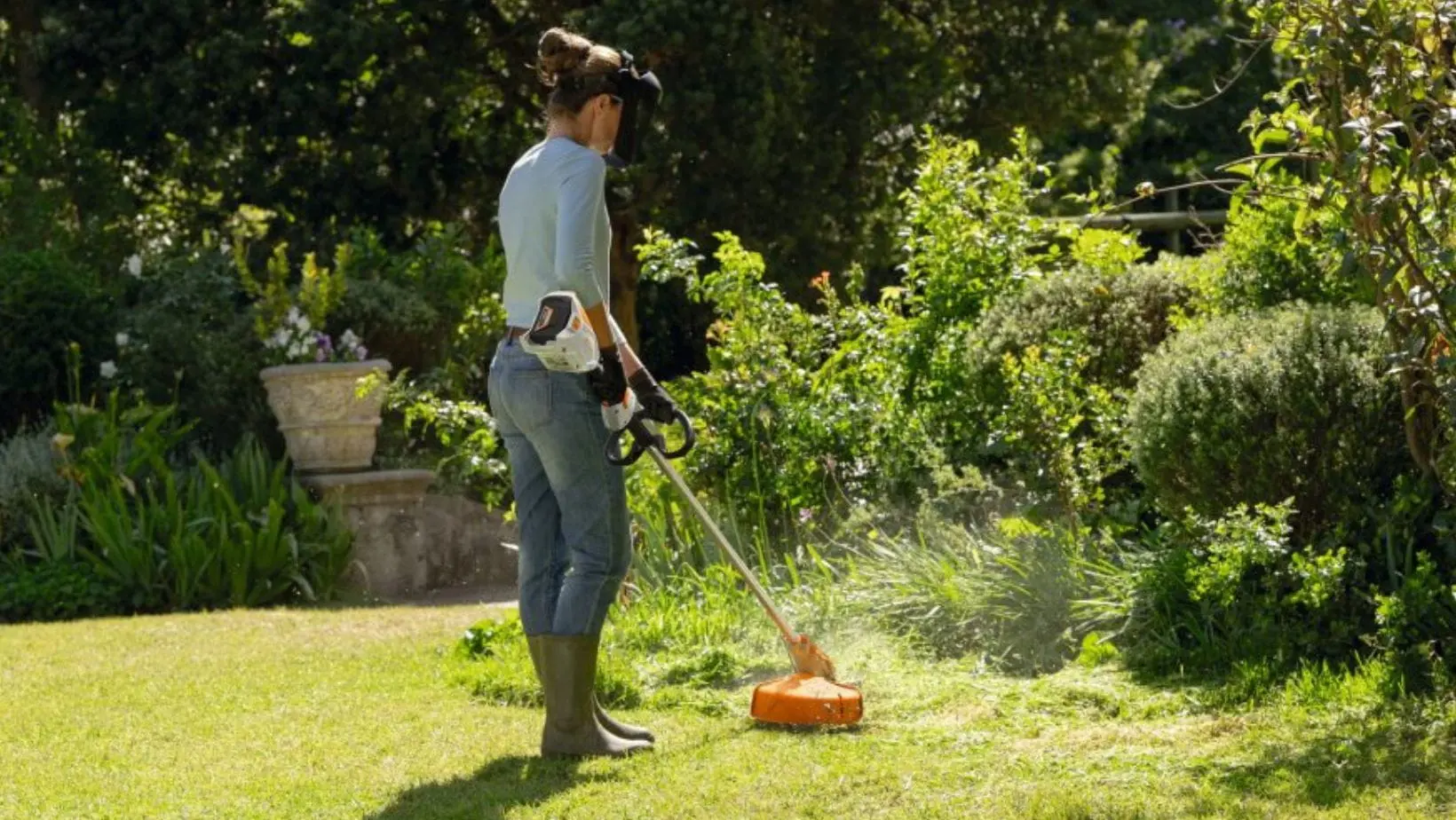
Strimmer line choice depends on shape, material and thickness. Round line is tough and ideal for general use, while edged or twisted lines deliver a cleaner cut. Nylon is standard, with reinforced options lasting longer. Thinner line suits light trimming, thicker line tackles tougher growth but needs more power. For dense weeds, polymer plastic blades offer a strong alternative.
Our Guide to Choosing the Right Strimmer Line
If you want your garden looking neat and well-maintained, taking care of the finer details is essential —and that’s exactly where a strimmer proves its worth. From tidying lawn edges to clearing stubborn patches of overgrown grass, it’s one of the most versatile tools you can own. However, the performance you get from your machine isn’t just about the motor or battery. Choosing the right strimmer line plays a crucial role in how effectively it works.
With so many options available, it’s easy to overlook the importance of line choice. Yet factors like shape, material and thickness all influence cutting performance, durability and finish. In this guide, we’ll reveal everything you need to know, helping you select the best strimmer line for your tool and garden.
 Why Strimmer Line Choice Matters
At first glance, strimmer line may seem like a simple consumable. In reality, it has a direct impact on how your machine performs. The right line will cut efficiently, last longer and place less strain on your strimmer. The wrong choice can lead to frequent breakages, poor cutting results and unnecessary wear on the motor.
Different gardens present different challenges. A neatly kept lawn requires precision, while overgrown areas demand strength and durability. Understanding how strimmer line varies allows you to match it to the task at hand, ensuring better results and a more enjoyable strimming experience.
Understanding Strimmer Line Shapes
One of the first things you’ll notice when browsing strimmer line for sale is the variety of shapes on offer. These aren’t just cosmetic differences—they directly affect how the line cuts through grass and vegetation.
 Round Line
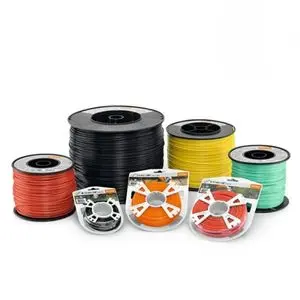
This is the most widely used and often supplied as standard with the strimmer. Its smooth profile makes it highly durable and resistant to snapping, which is particularly useful when working around hard surfaces such as fences, patios and edging stones. While it may not deliver the sharpest cut, it offers consistent performance and is ideal for everyday garden maintenance.
Square Strimmer Line
Square and multi-sided lines introduce sharper edges into the equation. These edges act a bit like blades, slicing through grass rather than tearing it. As a result, they provide a cleaner cut and improved efficiency when tackling thicker grass or light weeds. The trade-off is that these sharper profiles tend to wear down more quickly, especially when they come into contact with hard objects.
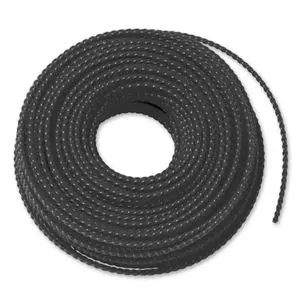
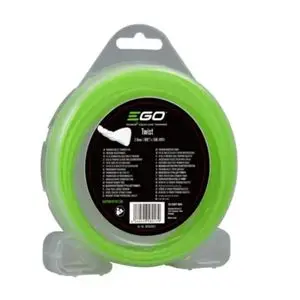 Twisted Line
This type of trimmer line offers a clever balance between durability and performance. Its spiral design improves aerodynamics, allowing it to move through the air more smoothly. This reduces vibration and noise while also delivering a cleaner cut than standard round line. For many gardeners, twisted line represents a versatile middle ground, suitable for a wide range of tasks.
Other Shapes of Strimmer Line
Star-shaped and other multi-edge designs take cutting precision a step further. With multiple points along the edge, they create a finer finish that is particularly suited to well-kept lawns. However, this increased cutting ability again comes at the cost of durability, making them better suited to lighter work rather than heavy-duty clearing.
For more demanding conditions, you can buy serrated or saw-tooth line. Designed to grip and cut through dense vegetation, it offers maximum cutting power. This type of strimmer line is typically reserved for tougher jobs, as it can be more aggressive and less forgiving in delicate areas.
The Role of Material in Strimmer Line Performance
While shape determines how the line cuts, the material it is made from affects how long it lasts and how it behaves under pressure. Most strimmer line is manufactured from nylon, a material chosen for its strength, flexibility and affordability.
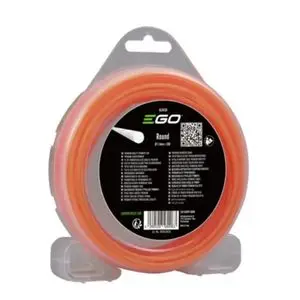 Nylon Line
Standard nylon line is a reliable choice, offering a good balance of durability and performance. It is flexible enough to absorb impacts, reducing the likelihood of snapping when it hits obstacles. This makes it a dependable choice for general garden maintenance work.
Co-Polymer Line
More advanced options include reinforced or co-polymer lines. These are made by blending different types of nylon or adding strengthening agents, resulting in improved resistance to wear and breakage. If you regularly tackle tougher conditions, this type of trimmer line lasts noticeably longer.
Hybrid Strimmer Line
Some premium strimmer lines feature a dual-material construction, combining a tough outer layer with a more flexible inner core. This design helps the line maintain its cutting edge while also absorbing shock, reducing the chances of sudden failure. It’s a popular choice for people who need consistent performance over longer strimming sessions.
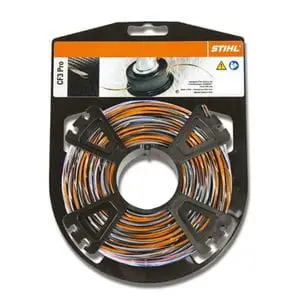 Other Strimmer Line Materials
You may also come across lines marketed as ‘titanium’ or ‘high-performance’. In many cases, this refers to specially formulated nylon blends rather than the inclusion of actual metal. These products are designed to be more robust and longer-lasting, making them suitable for demanding tasks.
If you’re looking to reduce your environmental impact, biodegradable options are also available. These are designed to break down over time, offering a more eco-conscious alternative. While they may not match the durability of standard nylon, they can be a suitable choice for lighter domestic use.
Choosing the Right Thickness
Thickness, or diameter, is another extremely important factor when selecting the best strimmer line. It determines how strong the line is, how much cutting force it can deliver, and how much strain it places on your machine.
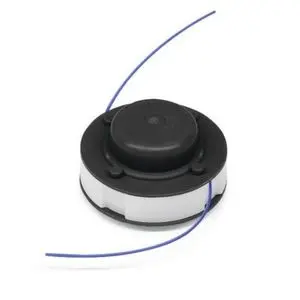 Thin Strimmer Lines
Thinner lines, typically around 1.2 mm to 1.6 mm, are best suited to light-duty work. They are ideal for trimming soft grass and creating neat edges around lawns. Because they require less power to spin, they are very well matched to smaller electric and cordless strimmers. They also produce a cleaner finish, making them a solid choice for well-maintained gardens. However, thin strimmer lines do wear out more quickly, so are not suited to tougher vegetation.
Lines with Average Thickness
Mid-range diameters, usually between 2.0 mm and 2.4 mm, are the most versatile option. They strike a balance between strength and efficiency, making them suitable for general garden maintenance. This level of thickness can handle denser grass and light weeds without placing excessive strain on the machine, which is why it is commonly used with domestic petrol and higher-powered cordless strimmers.
 Thick Strimmer Lines
Thicker lines, starting from around 2.7 mm, are designed for heavy-duty trimming work. They offer greater durability and cutting power, making them ideal for tough grass, weeds and overgrown areas. These lines are typically used with more powerful petrol brushcutters. While they last longer and cut more aggressively, they can be less precise and may leave a slightly rougher finish on finer lawns.
It’s important to remember that using a line that is too thick for your machine can reduce performance and potentially cause damage. Always check the manufacturer’s recommendations to ensure compatibility.
Matching Line to Your Garden and Machine
Choosing the right strimmer line ultimately comes down to matching it to both your garden and your equipment. A small suburban garden with neatly maintained grass will benefit from a thinner, more precise line. Larger gardens with varied terrain may require a more robust option that can handle different conditions.
Similarly, the type of strimmer you own plays a key role. Electric and cordless models generally perform best with lighter lines, while petrol machines can handle thicker, more aggressive options. By aligning your choice of line with your strimmer’s capabilities, you’ll achieve better results and extend the life of your equipment.
When to Use Polymer Plastic Blades
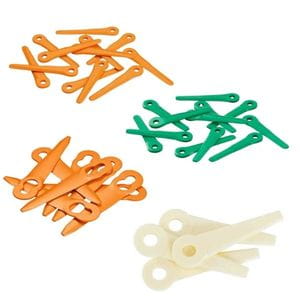 While strimmer line is suitable for most tasks, there are situations where products like STIHL PolyCut Plastic Blades offer a clear advantage. These rigid polymer blades are a stepping stone on the way towards the metal blades often used on brushcutters. They are designed to deliver more cutting power than strimmer line, making them particularly effective for thick grass and dense weeds.
STIHL PolyCut blades are a good choice when standard line wears out quickly or struggles to cut through tougher vegetation. They maintain their shape during use, providing a consistent cutting edge and reducing the need for frequent replacement. This can improve efficiency, as less energy is spent feeding out new line.
However, polymer blades are not intended for fine lawn work. Their more aggressive action can damage delicate grass and won’t produce the same neat finish as a quality strimmer line. They also require compatible cutting heads and should only be used with machines designed to handle them.
In essence, polymer blades are best reserved for more demanding tasks where durability and cutting power are the priority.
Final Thoughts on Choosing Mowing Line
Selecting the right strimmer line is about more than simply picking up a spool that fits your machine. By understanding how shape, material and thickness influence performance, you can make an informed decision that improves both cutting efficiency and results.
Whether you’re maintaining a pristine lawn or tackling more challenging ground, the right strimmer line will help you get the job done more effectively. And if your garden demands something more robust, STIHL PolyCut blades provide a useful alternative for heavier work.
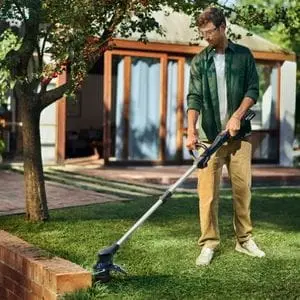 Welcome to the Home of Strimmers (and Strimmer Line)
At Garden Machinery Direct, you’ll find an unbeatable range of brushcutters & strimmers to suit every type of garden. We also sell a wide selection of high-quality strimmer line to match, with some designs available in a choice of lengths and diameters. And if you’re unsure which option is right for you, our friendly and knowledgeable team is always on hand to offer expert advice to help you make the best possible choice for your strimmer and garden.