
Plan your garden by defining purpose and zones, assess light/soil/wind, create structure and seasonal plantings suited to your maintenance level, address practicalities (paths, storage, water), use existing features, stay flexible to evolve, and invest in quality tools.
Tips on Planning Your Perfect Garden Design
Designing a garden is one of the most rewarding things in life. It doesn’t matter whether it’s a postage-stamp plot in the city or an expansive area of land on a country estate—your own personal outdoor space has the potential to become a beautiful extension of your home.
But before the spade hits the soil, it’s important to map out your ideas. Great garden planning isn’t just about where to put the patio or which plants to choose – it’s about understanding your lifestyle, your space, and the rhythm of the changing seasons. From easy garden designs to complex garden landscape design, let’s take a look at the things you’ll need to consider when planning a garden that you’ll love for years…
 Start with Purpose: What Do You Want From Your Garden?
A successful garden should be a place for peace, pleasure, and even productivity. And that needs to begin with a clear vision. So, consider how you’d like to use the space throughout the year. Will it be a place to unwind with a book on a summer’s day? Do you want space for entertaining, a play area for children, or a quiet corner for growing vegetables and herbs?
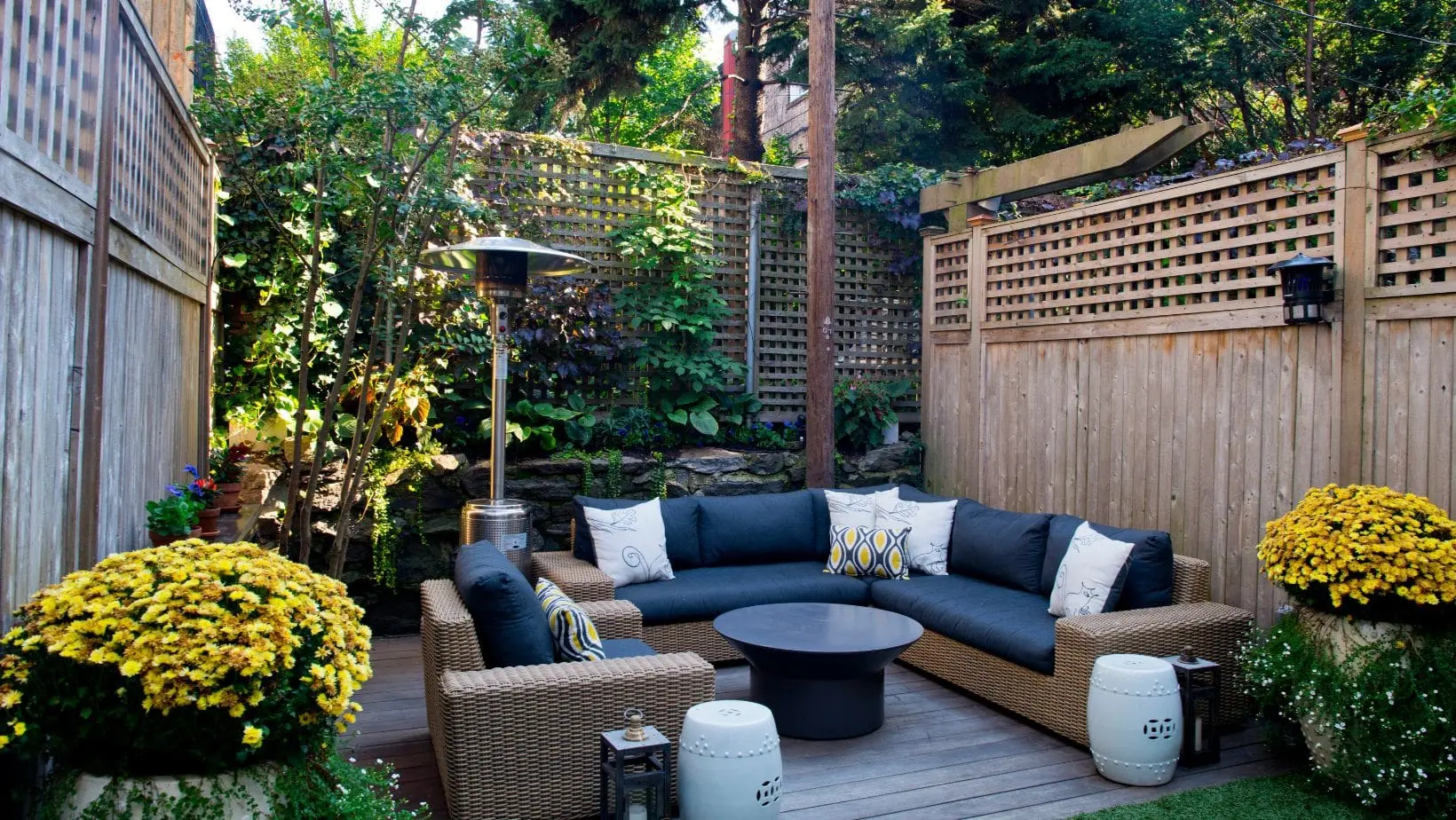
Even a tiny garden design can achieve big things with the right approach. For example, if it needs to serve multiple functions, think in terms of zones. Use hedging, fencing, or pergolas to subtly divide the space into different areas – one for dining, another for planting, and a third perhaps for relaxing in a shady nook. These small changes to structure can completely transform how your outdoor space feels.
 Understand the Conditions
The most inspired garden design and landscaping ideas won’t go far if they ignore the basics. One of the first steps in your garden planning process should be to assess the light, soil, and wind conditions.
Begin by tracking the path of the sun across the space. Where are the sunniest spots in the morning and afternoon? Are there deep shaded areas under trees or alongside tall walls? Understanding the light will help you position seating areas, choose the best layout for planting, and even decide which types of grass will thrive as a lawn.
Soil quality is equally important. Different plants thrive in different conditions – some prefer light, sandy soil; others love moisture-retentive clay. Get to know your soil type and its pH before investing in a plant plan. You’ll save money, time, and frustration by choosing the plants best suited to your garden’s natural environment.
 Think About Style and Structure
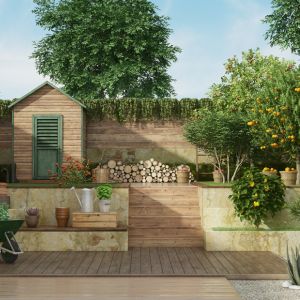
Every garden needs a sense of structure – not just for practical reasons but to give the design a cohesive feel. The structure might come from formal elements like clipped hedges, topiary or symmetrical borders, or from more relaxed features like winding gravel paths and curving borders.
A simple garden design doesn’t have to be boring. In fact, low maintenance small garden design often thrives when structure is clear, and the planting is pared back. Using repeating shapes, a limited colour palette and a few strong focal points can create a sense of unity, even in the most compact front garden designs.
Conversely, if you’re working with a generous plot, long garden designs offer the chance to explore more intricate layouts. Consider layering your garden into different ‘rooms’, connected by pathways or framed views. A bench under an archway, a mirror tucked behind foliage, or a sculpture nestled in the border can all act as visual anchors in your layout.
Planning Your Planting Scheme
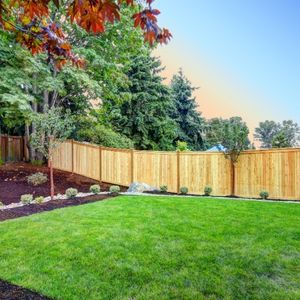 Once the bones of your garden are in place, you can begin to think about what to plant. Start by considering how much time you want to dedicate to maintenance. If you’re after easy garden designs that look good the whole year round, then evergreen shrubs, ornamental grasses, and perennials are your best friends.
That said, a well-thought-out plant plan can add colour, scent and structure in every season. Try to choose a combination of plants that flower at different times of the year, ensuring your garden remains interesting beyond summer. Repeat key plants for harmony, and mix textures – soft grasses against spiky salvias or glossy leaves with delicate flowers – to give your borders depth and dynamism.
For those with limited space, you can layout small garden design cleverly by using vertical planting. Trellises, climbers and wall-mounted containers are excellent options to maximise your planting without crowding the ground space. These touches also bring charm and soften boundaries in little garden designs.
 Don’t Overlook the Practicalities
While the romantic vision of your dream garden is exciting, don’t forget to plan for the practicalities. Storage, pathways, seating areas and water points all need consideration.
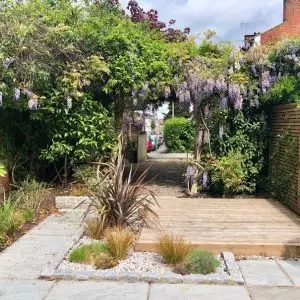
Paths should be wide enough for comfortable access and suit the style of your space. In a formal garden, straight paths using brick or stone work beautifully. In a more relaxed design, stepping stones, bark, or gravel provide a softer, more organic feel.
Storage is key to keeping a garden tidy and enjoyable. Sheds, log stores or even built-in bench seating with space underneath all help keep tools, pots and garden supplies neatly out of sight. And if you plan to grow vegetables or fruit, ensure the plants are located in a sunny spot with easy access to water.
 Work With What You Have
One of the biggest mistakes people make with garden design is trying to impose an idea that doesn’t suit the site. Instead, take time to understand what your plot already offers and build on that.
If there’s a beautiful old tree, make it a focal point. If your garden slopes, use that height difference to create interest – perhaps with decked areas or split-level planting. Even tricky spaces like narrow side yards or awkward corners can be transformed into delightful green spots with the right approach.
For shady areas or courtyards, a tiny garden design with soft lighting, scented plants and leafy greens can feel wonderfully serene. These areas are often ideal for creating a simple garden design that’s perfect for winding down after a long day.
 Adapt for the Future
One of the joys of gardening is that it’s never finished. Your needs might change, your taste may evolve, and your planting will certainly grow. So, think of your garden plan as a flexible guide rather than a fixed blueprint.
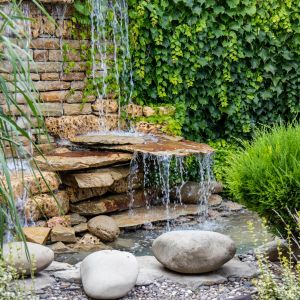
Leave space for experimentation and allow the layout to evolve over time. Perhaps you’ll add a pond one year, or build a pergola the next. Maybe you’ll start with a few herbs and work your way up to a fully-fledged kitchen garden. Whether your design is wild and whimsical or crisp and contemporary, the key is to make sure it still feels like your own.
And don’t be afraid to start small. Even if your ultimate goal is an expansive garden landscape design, beginning with one well-planned area – perhaps a small patio border or herb patch – allows you to build confidence, learn what works, and enjoy each stage of the process.
Invest in the Right Tools
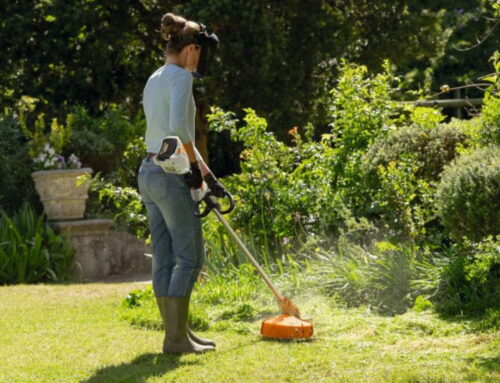
 Whatever style of garden you’re planning, the right equipment makes all the difference. High-quality tools and machinery don’t just make jobs easier – they can save hours of effort, eliminate stress, and help you achieve a far more professional finish.
Whether you’re laying new turf, pruning hedges, cultivating borders or keeping your lawn in shape, you’ll find the UK’s best range of garden tools and machinery right here. Backed by our staff’s unrivalled expertise and a reputation for outstanding customer service, Garden Machinery Direct is the go-to online retailer for serious gardeners  and beginners alike.
Ready to Get Started?
No matter what the size of your outdoor space or dream style of garden, careful planning can turn any bit of land into a place you’ll cherish. From front garden designs full of kerb appeal to peaceful hideaways tucked behind the house, every plot has the potential to be extra special.