
TLDR: Store lithium garden tool batteries at ~40–60% charge in a cool, dry, temperature‑stable place (5–25°C), removed from tools/chargers and dry; check charge every few months. LiFePO₄ ~50%; LiPo needs exact storage voltage and a fire‑safe box. Use insulated storage boxes if indoor space is limited.
What Is the Best Way to Store Garden Tool Batteries Over Winter?
As temperatures drop and winter sets in, our thoughts naturally turn towards packing away the lawnmower, hedge trimmer, and leaf blower until next spring. Modern cordless garden tools make this seasonal pause wonderfully simple: no fuel stabiliser, no draining tanks, and no winter servicing rituals. But one thing that does need careful consideration is the winter storage of your garden tool batteries — particularly as most cordless machines now rely on advanced lithium-ion technology.
Caring for batteries isn’t just about making sure your mower fires up when the grass starts growing again. It’s about protecting their performance, prolonging their lifespan, and ensuring they remain safe in the coldest months of the year. Here, we explore why proper winter battery storage matters, the best way to store lithium-ion garden tool batteries, and how other lithium-based batteries compare. We’ll finish by highlighting a simple but effective solution for keeping your garden tool batteries protected over winter.
Why Winter Battery Storage Is So Important
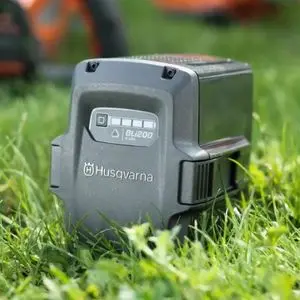 Although cordless garden tools are far easier to store than their petrol counterparts, the rechargeable batteries that power them are intricate pieces of technology. Inside every lithium-ion pack are delicate cells and electronic components. These work together to regulate charge, manage temperature, provide power, and protect against over-voltage or deep discharge.
Winter brings two particular challenges. Firstly, temperatures drop — sometimes well below the threshold that a garden shed or garage can handle if it’s to provide safe storage. Prolonged cold can cause lithium cells to lose efficiency, suffer permanent damage, or, in extreme cases, freeze altogether. Secondly, when a battery sits unused for months, it naturally self-discharges. If the charge drops too low, the battery can enter a state from which it cannot recover.
Poor winter storage can lead to:
- Reduced overall battery health
- Shortened runtime during the growing season
- A noticeable drop in power output
- Permanent damage if deep discharge occurs
- In some cases, a battery that is completely unusable
On the other hand, correct lithium battery cold weather storage dramatically extends the life of each pack. Whether it’s a powerful 36V battery for a Husqvarna mower or a compact pack for a STIHL hedge trimmer, the principles remain the same. Treat your batteries well over winter, and they’ll reward you with years of reliable, efficient service.
Best Practice for Storing Lithium-Ion Batteries
Since lithium-ion batteries are the dominant technology in cordless garden tools, understanding lithium ion battery winter storage is essential. Fortunately, it’s straightforward — and the good news is that the big-name manufacturers all recommend very similar guidelines.
 Store Lithium-Ion Batteries at a Partial Charge
Unlike older nickel-based batteries, lithium-ion packs prefer to be stored partially charged. A level of around 40–60% is ideal. For many batteries, this corresponds with two lights on the LED indicator. Storing them fully charged or completely empty increases stress on the cells, so aim for the middle ground.
Keep Them in a Cool, Dry Location
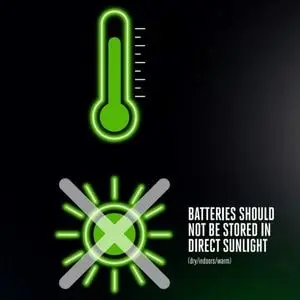
Temperature stability is crucial during lithium battery winter storage. The ideal range is 5–25°C, safely above freezing but below the point where heat may accelerate cell degradation. Inside the home is far better than a shed or garage, as these spaces experience damp, frost and significant temperature swings.
Always Remove Batteries from the Tool and Charger
Even if your charger automatically shuts off when a battery is full, leaving a pack docked for months is poor practice. Similarly, storing a battery inside the tool risks moisture ingress and corrosion at the terminals. Remove the battery, clean the terminals if needed, and store it separately.
 Ensure Batteries Are Dry Before Storage
Moisture can cause terminal corrosion, affect circuitry, and shorten lifespan. Before storing, wipe down the battery and allow it to reach room temperature.
Check the Charge Every Few Months
Although lithium-ion batteries have low self-discharge, they will gradually lose power while in storage. Every couple of months, press the status button. If the level has dropped too low, top it up to around halfway again. This simple habit prevents the deep discharge that can permanently damages cells during winter storage.
By following these steps, you’ll ensure safe, effective winter storage of lithium battery packs and keep your cordless tools performing at their best.
Understanding the Differences Between Lithium-Based Batteries
Although ‘lithium battery’ has become a catch-all phrase, four different types of lithium-based batteries exist, each with its own characteristics. Understanding the distinctions makes it easier to see why lithium-ion dominates garden tools — and how other chemistries compare in terms of winter storage.
Lithium (Primary Lithium Batteries)
These are non-rechargeable batteries commonly found in remote controls, torches, and sensors. They have excellent shelf life but cannot be used to power garden tools. Therefore, they play no role in cordless lawnmowers, trimmers, and the like.
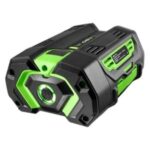 Lithium-Ion (Li-ion)
This is the standard rechargeable battery chemistry used across all major cordless garden tools, from STIHL and Husqvarna to EGO and Honda. Lithium-ion offers high energy density, good runtime, and reliable performance, making it ideal for everything from handheld tools to larger battery-powered machines.
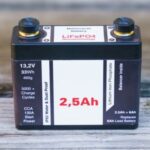 Lithium Iron Phosphate (LiFePO₄ or LFP)
This is a specialised type of lithium-ion battery with exceptional safety and a very long lifespan. While too heavy for handheld tools, LiFePO₄ packs often appear in ride-on mowers, garden tractors, and solar storage systems used with robotic mower charging stations.
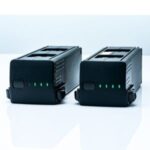 LiPo (Lithium-Polymer)
LiPo batteries use a gel-like or solid electrolyte and can be produced in thin, flexible shapes. They have high discharge rates and require careful handling. They’re not common in cordless garden tools, though occasionally used in certain imported or niche models. Most established brands still prefer the safety and robustness of cylindrical lithium-ion cells.
In short:
- Lithium-ion = used in almost all cordless garden tools
- LiFePO₄ = used in larger garden machinery, storage systems
- LiPo = rare in premium garden tools
- Primary lithium = not used to power tools at all
How to Store Lithium Iron Phosphate and LiPo Batteries in Winter
Although lithium-ion is the go-to battery for most garden tools, you may encounter LiFePO₄ and LiPo batteries when dealing with certain equipment. Therefore, understanding their winter storage needs ensures you can protect all of the batteries that might power your garden tools and machinery.
 Lithium Iron Phosphate – Stable and Low Maintenance
LiFePO₄ batteries should be stored at roughly 50% charge. They are more tolerant of temperature fluctuations than standard lithium-ion but should still be kept above 0°C. Their very low self-discharge rate means they need less frequent checking during lithium iron phosphate battery winter storage.
LiPo – Requires the Most Care
LiPo packs must be stored at their dedicated storage voltage, which is the Li-ion equivalent of a partial charge. Because they are more sensitive to damage, storing LiPo batteries in cold weather should always involve a protected, temperature-stable location — ideally in a fire-safe container such as a LiPo pouch or storage box.
Even though these two chemistries aren’t commonly used in handheld garden tools, it’s helpful to understand how they differ, particularly if you run ride-on machinery or solar-powered installations.
A Simple Way to Protect Your Batteries This Winter
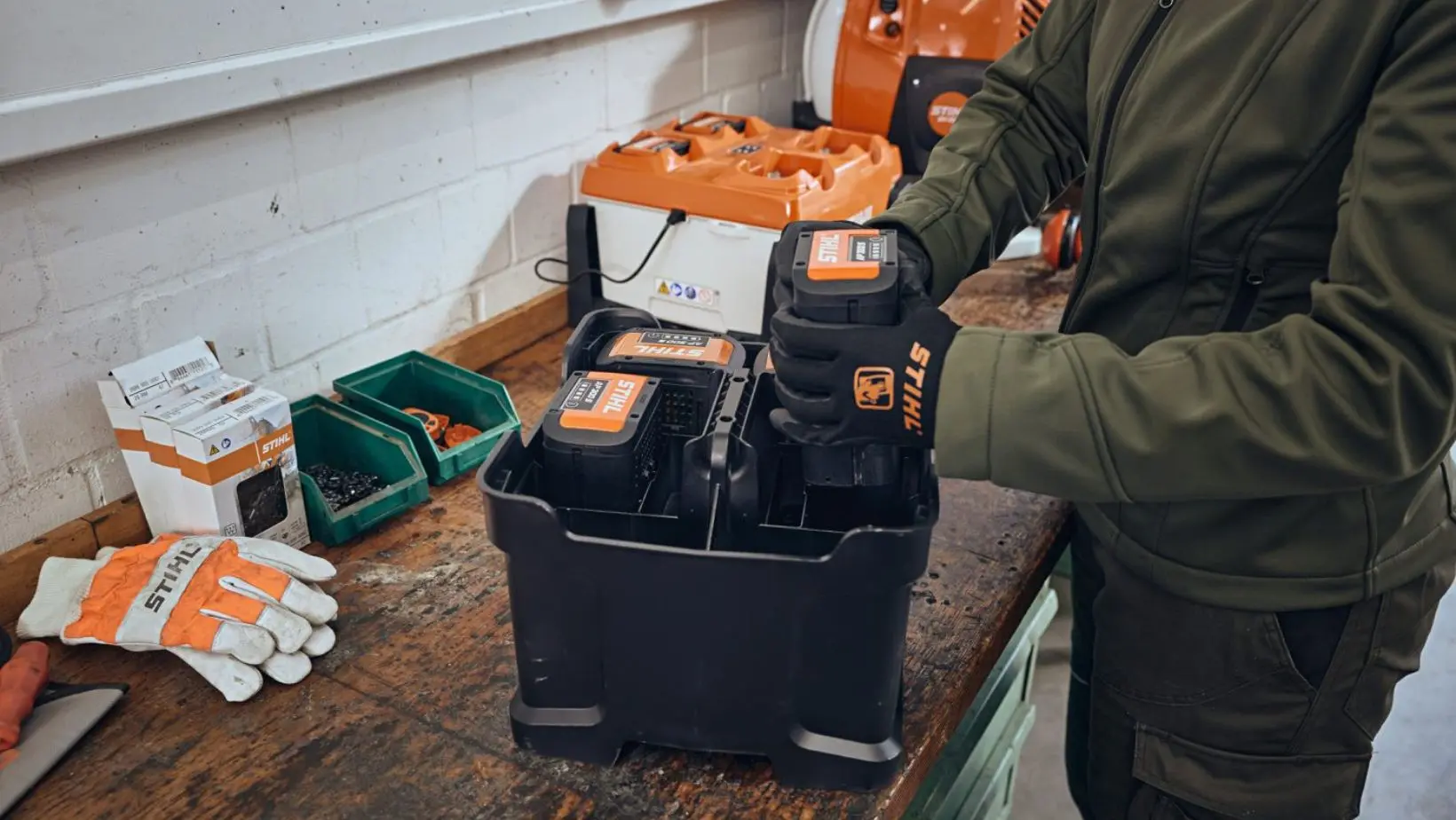
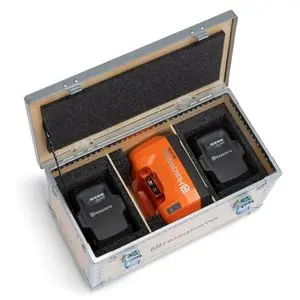 Now you understand the principles behind lithium battery cold weather storage, the main challenge is finding a practical place to put your batteries. If keeping them indoors isn’t convenient — or if you have a growing collection of batteries in the house — a storage solution becomes invaluable.
At Garden Machinery Direct, we offer a superb selection of high-quality battery storage boxes designed to shield your lithium-ion batteries from moisture, cold air, and accidental damage. These boxes help maintain a stable temperature, protect terminals, and ensure your batteries remain safely organised throughout the winter months. So, once you get your cordless tools back out next spring, they’ll perform as good as new.