
Pruning keeps trees healthy, safe, and attractive. The best time to prune deciduous trees is usually late winter or early spring while they are dormant, though dead or damaged branches can be removed at any time. To prune a tree correctly, remove weak, crossing, or diseased branches and cut just outside the branch collar using clean, sharp tools. Avoid removing more than a quarter of the canopy in one season.
When and How to Prune Trees
Trees add structure, shade, and lasting beauty to a garden. They can define a landscape, support wildlife, and provide a focal point that evolves year after year. However, even the healthiest trees benefit from occasional maintenance. Understanding when to prune trees and how to prune a tree correctly is essential if you want to keep them strong, attractive, and safe.
Many home gardeners hesitate when it comes to tree pruning because they are unsure about the timing or technique. Questions such as when should you prune trees, how do you trim a tree, or how to trim a tree back without damaging it are extremely common on gardening forums. The good news is that pruning is far less complicated than it may appear. With a little knowledge and the right tools, you can maintain healthy trees while improving their structure and longevity.
Here, in our Tree Pruning Guide, we explain the best time to prune trees, the correct techniques to use, and the tree pruning tips that help gardeners avoid common mistakes.
When Should You Prune Trees?
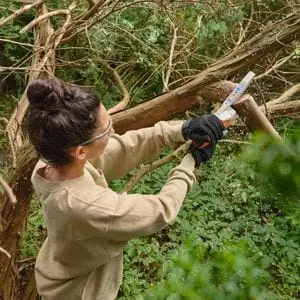 Timing is one of the most important factors in successful pruning, as cutting branches at the wrong time of year can sometimes reduce flowering or weaken growth.
For most deciduous varieties, the best time to prune trees is during late winter or very early spring. At this stage, the tree is still dormant, which means pruning causes minimal stress. And with leaves absent from the branches, the overall structure of the tree is easier to see, allowing you to identify which limbs should be removed.
Dormant-season pruning also encourages healthy regrowth. Once the growing season begins, the tree quickly starts sealing the pruning cuts and producing fresh shoots. This natural response helps the tree recover efficiently and maintain its development.
In most parts of the UK, the best month to prune trees for structure is probably February, though the exact timing can vary depending on weather conditions and the type of tree concerned.
Factors Affecting Timing
Although late winter is generally the most suitable tree pruning time, some trees benefit from pruning at slightly different points in the year.
Spring-flowering trees, such as cherry or magnolia, should usually be pruned after they have finished flowering. These trees produce their buds during the previous season, so cutting branches too early could remove the blooms before they appear.
Light trimming during the growing season helps control vigorous growth and maintain the shape of ornamental trees. So, in terms of when to trim trees for modest shaping, mid to late summer is good in certain situations.
Autumn isn’t considered the best time for significant pruning. Trees are preparing for dormancy, and cuts may heal more slowly. Moist autumn conditions can also encourage fungal infections, so it is generally better to wait until late winter unless safety pruning is required.
 Other Reasons to Cut Back Trees During the Year
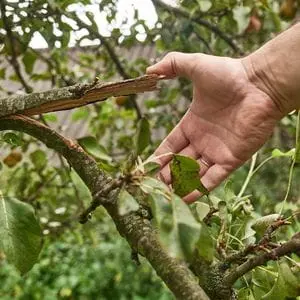
While seasonal timing is important, there are situations where pruning should not be delayed. If branches are damaged, diseased, or dangerous, they should be removed as soon as possible.
Storm damage is one of the most common reasons gardeners look into when to cut back trees outside the usual pruning season. Broken limbs can attract pests or spread decay through the tree if they are left unattended.
Dead wood should also be removed promptly. Branches that have died no longer contribute to the tree’s health and can eventually become hazardous. In these circumstances, when should you trim trees becomes less about the calendar and more about protecting the tree and its surroundings.
How to Prune a Tree Correctly
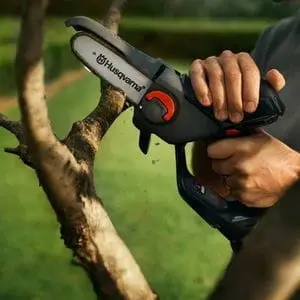 Understanding how to prune trees correctly is essential for protecting the tree’s health. The key is to make clean, well-positioned cuts that allow the tree to heal naturally.
Where a branch meets the trunk, there is usually a slightly raised area known as the branch collar. This section contains specialised tissue that helps the tree close over pruning wounds. When removing a branch, the cut should be made just outside this collar.
Cutting too close to the trunk can damage the collar, while leaving a long stub prevents proper healing. Correct placement of the cut allows the tree to seal the wound effectively.
When removing larger limbs, a three-cut technique helps prevent the bark from tearing. A small cut is made on the underside of the branch, followed by a second cut from above slightly further along the limb. Once the branch falls away, the remaining stub can be removed safely near the branch collar.
How to Trim a Tree Back Selectively
To trim a tree back while keeping its natural appearance intact, you should selectively prune rather than indulge in heavy cutting.
Removing crowded branches allows more light and air to reach the centre of the tree. This thinning process improves overall health and reduces the likelihood of disease.
It is also important to remove branches that rub against each other. These points of contact can create wounds that invite pests or infections.
When shaping a tree, always aim to preserve its natural form. Overly aggressive cutting can weaken the structure and lead to unstable regrowth.
 How Much Should You Lop a Tree?
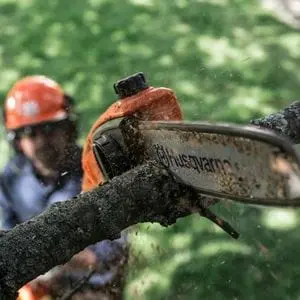
So, if you’re not aggressively cutting back, the question is exactly how much to lop a tree during pruning? While it may be tempting to remove a large amount of growth at once, moderation is usually the best approach.
As a general guideline, it’s wise to avoid removing more than a quarter of the tree’s canopy in a single season. Excessive pruning can place stress on the tree and encourage rapid but weak regrowth.
When learning how to lop a tree, you should focus on gradual improvements over time. Small, thoughtful adjustments often produce healthier results than drastic pruning.
Tree Pruning Tips for Healthier Growth
A careful approach to pruning can significantly improve a tree’s long-term health. Observing the tree before making any cuts helps you understand its natural shape and identify branches that should be removed.
Using clean, sharp tools is of paramount importance. Smooth cuts heal more quickly and reduce the risk of infection spreading between plants.
Patience is also one of the most valuable tree pruning tips. Rather than rushing the process, take time to step back and review the tree’s shape as you work. This helps maintain a balanced canopy and prevents over-pruning.
 Pruning Young Trees
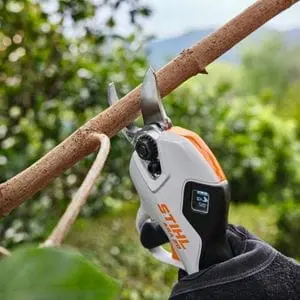
Young trees benefit greatly from careful pruning in their early years. During this stage, pruning helps establish a strong structure that will support the tree as it matures.
The aim is not to remove large sections of growth but to guide the development of the main branches. Limbs that cross, compete for space, or form weak angles can be selectively removed so that the tree grows in a balanced and stable way.
Gardeners learning how to prune trees correctly quickly find that formative pruning is a valuable long-term practice. A well-shaped young tree is far less likely to develop structural weaknesses later in life.
 Pruning Mature Trees
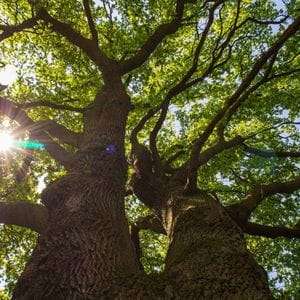
As trees become established, their pruning requirements usually change. Mature trees tend to need less shaping and more maintenance-focused care.
At this stage, pruning usually involves removing dead wood, thinning crowded branches, and improving airflow through the canopy. This helps reduce the risk of disease and allows sunlight to reach more of the tree’s interior.
In terms of how to trim trees that have grown large over time, the key is to make gradual improvements rather than attempting drastic reductions. As mentioned above, removing too much growth in one season can place unnecessary stress on the tree and encourage weak regrowth.
Pruning Fruit Trees
 Fruit trees are amongst the most popular trees to grow, and one of the most common reasons people search online for advice on when to prune trees.
Proper pruning improves fruit production, strengthens branch structure, and allows sunlight to reach developing fruit.
Many fruit trees benefit from pruning during late winter while they are dormant. This allows gardeners to clearly see the tree’s framework and remove weak or overcrowded branches.
Learning how to prune a tree properly is especially important for fruit trees, as balanced pruning can improve both fruit quality and overall tree health.
Common Tree Pruning Mistakes to Avoid
Even experienced gardeners sometimes make errors when pruning. Being aware of common tree pruning mistakes can help you avoid causing unnecessary damage.
One of the most frequent mistakes is removing too much growth at once. Heavy pruning can shock the tree and stimulate weak, unstable shoots.
Another common error is cutting branches flush against the trunk. This damages the branch collar and prevents the tree from sealing the wound properly.
Pruning at the wrong time of year can also cause problems. Certain trees may lose flower buds or become vulnerable to disease if pruning is carried out during unsuitable conditions.
A Simple Tree Pruning Checklist
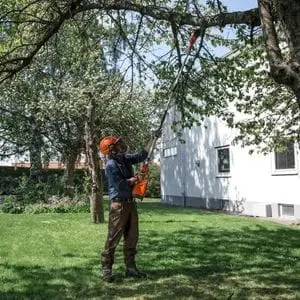 Before beginning any pruning work, it helps to consider a few key points.
Start by confirming that the timing is suitable for the tree species you are working on. Understanding when to prune trees helps prevent unnecessary stress and encourages healthy regrowth.
Next, inspect the tree carefully and identify any dead or damaged branches. These should usually be removed first, followed by branches that cross or crowd the canopy.
Think carefully about the amount of growth you plan to remove. If you’re wondering how much to lop a tree, it’s important to remember that restraint is important. Gradual pruning produces healthier results than aggressive cutting.
Finally, ensure your tools are clean and sharp, and step back regularly to review the shape of the tree as you work.
Confident Pruning Starts with GMD
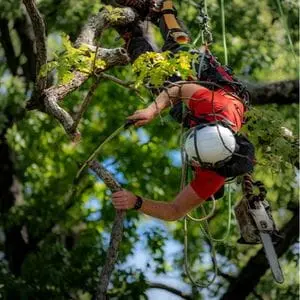 Learning when and how to prune trees is one of the most valuable skills for maintaining a healthy garden. Correct timing encourages strong growth, while proper technique helps trees recover quickly from pruning cuts.
Confident pruning starts with owning the right pruning tools. At Garden Machinery Direct, we sell the best secateurs and pruning shears, pruning saws, and pole pruners to help gardeners of all experience levels achieve the best tree pruning results. This includes the famous Silky pruning saws, which are a popular choice with professional users. We also sell gloves, safety glasses, and protective headwear to keep you safe when pruning.
If you have any questions about the pruning tools we sell, please don’t hesitate to get in touch with our friendly team, who will be delighted to assist you in any way they can.