
TLDR: Two-stroke won't start usually due to stale fuel, fouled spark plug, clogged air filter, carburettor blockages, exhaust carbon, damaged fuel lines or low compression. Diagnose in order: fuel, spark, air, carb, exhaust, lines, compression. Prevent with fresh fuel/stabiliser, regular filter/plug/carb maintenance and proper storage.
Why Your 2 Stroke Engine Won’t Start and How to Fix It
Petrol-powered garden tools remain a popular choice for both homeowners and professionals who need strong performance for demanding jobs. Whether you’re using a hedge trimmer, leaf blower, chainsaw, or other handheld tool, the reliability of the small 2 stroke engine inside your machine has a huge impact on productivity. When everything is working as it should, these engines feel powerful, responsive and efficient. But when something goes wrong, a two stroke engine not starting can quickly turn a simple job into a frustrating battle.
Here, we reveal the most common causes of poor starting, rough running and low power, as well as offering practical steps to identify the source of the problem. Understanding why a 2 stroke engine won’t start—and knowing how to diagnose the issue—can save time, money and a lot of unnecessary fuss. So, if you want your petrol garden tools to realise their full potential and perform at their best, please read on…
 What Makes 2 Stroke Engines Different?
Before delving into the diagnostics, it helps to understand the fundamentals. A small 2 stroke engine works differently from the 4 stroke engines you’ll find in lawnmowers or larger machinery. It completes its power cycle in only two movements of the piston, meaning it relies on a precise mixture of fuel and oil to provide lubrication, cooling and combustion at the same time. This design creates impressive power from a small unit. It also means that when issues arise, they often stem from the fuel, the carburettor or the air supply.
When a two stroke engine won’t start, it is almost always related to a lack of fuel reaching the engine, excess fuel entering the cylinder, poor spark or a blockage somewhere in the system. Fortunately, many of these faults can be diagnosed at home with some basic checks.
Fuel Issues: The Leading Cause of 2 Stroke Not Starting
 Stale fuel is the number one reason a 2 stroke engine not starting becomes a problem. Modern petrol contains ethanol, which absorbs moisture and degrades quickly. When left in the tank for weeks or months, it begins to form varnish that blocks jets inside the carburettor.
If your 2 stroke won’t start after winter storage, this is the most likely culprit.
How to Diagnose Fuel Problems
- Check whether the fuel smells sour or looks discoloured.
- Drain the tank and replace the fuel with a fresh 50:1 mix.
- Prime the engine and try starting again.
If the machine springs to life after adding fresh fuel, you’ve already solved the issue.
Spark Plug Problems
 A healthy spark plug should be light tan or biscuit brown, showing the engine is running with the correct air–fuel mixture. A dry black plug suggests a rich mixture or restricted airflow, while a wet black plug indicates flooding or too much oil. White or very pale grey deposits point to a lean condition, often caused by air leaks or fuel blockages. Ashy, hard deposits usually come from poor-quality oil or overheating, and any metallic speckling or blistering signals detonation and potential engine damage.
Spark plugs foul more readily in small 2-stroke engines due to oil in the fuel. A fouled plug causes weak or inconsistent ignition.
Check for Spark by:
- Removing the plug
- Reconnecting the lead
- Grounding it against metal
- Pulling the starter cord to observe the spark
If the spark is weak or absent, replace the plug.
 Air Leaks and Blocked Filters
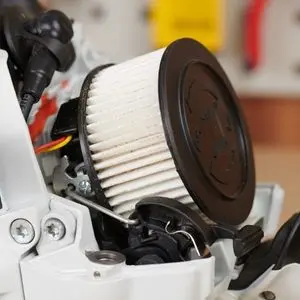
A blocked air filter is a simple but often overlooked reason a two stroke won’t start. Garden conditions kick up dust, chips and debris, which clog the filter over time. This restricts airflow, makes the engine run rich and eventually prevents starting altogether.
How to Diagnose an Air Filter Issue
- Remove the filter and try to start the engine briefly without it.
- If it starts more easily, the filter needs cleaning or replacing.
Cracked intake boots or worn crank seals can also create air leaks, leading to erratic idling or a refusal to start.
Carburettor Blockages and the Importance of Proper Adjustment
 Even with good fuel, a partially blocked carburettor can cause starting issues, rough idling or stalling on acceleration. These tiny units have narrow jets and diaphragms that are sensitive to dirt and residue. If a chainsaw is hard to start, or your blower bogs down when revved, chances are the carburettor needs attention.
This is where 2 stroke carburettor adjustment becomes crucial. A carb supplies the engine with the right blend of air and fuel. If that ratio is even slightly off, the engine will struggle.
Signs of a Carburettor Issue
- Engine starts but stalls immediately
- Starts only with the choke on
- Poor throttle response
- Excessive smoke
- High fuel consumption
2 Stroke Carb Tuning
When tuning two stroke carburettor systems, small adjustments make a big difference. If you need to adjust 2 stroke carb settings yourself, always refer to your tool’s manual and work in very small increments. Many machines have high (H) and low (L) screws, and a correct idle setting (T or LA).
Two stroke carb tuning is a skill, and incorrect adjustments can harm the engine, so take care or seek professional help if in doubt.
Exhaust Blockages and Carbon Build-Up
Two-stroke engines naturally produce carbon deposits. Over time, these can restrict the exhaust port or clog the spark arrestor, causing low power, poor acceleration and eventually a two stroke engine not starting at all.
Cleaning the spark arrestor and ensuring good-quality oil is used prevents future issues.
Fuel Line and Primer Bulb Deterioration
Fuel lines and primers on small handheld tools degrade over time, especially with ethanol fuel. Cracked or soft lines allow air to enter the system, disrupting fuel flow and making it very likely the 2 stroke engine won’t start.
A quick visual inspection often reveals splits or leaks.
Compression Problems: The More Serious Fault
If your tool has plenty of fuel, good spark and a clean carb, but still refuses to fire, low compression may be the cause. Worn piston rings, scoring or heat damage reduce the engine’s ability to create combustion. This is more common on older tools or machines run with incorrect fuel mix.
A compression tester can quickly confirm this. Low compression typically requires professional repair or a replacement machine.
A Step-by-Step Guide to 2 Stroke Engine Diagnostics
To summarise, here is a simple, logical method to pinpoint the cause of a two stroke not starting:
1) Start with the basics
Check the fuel, the choke setting and the on/off switch.
 2) Look for spark
If a petrol chainsaw hard to start, it’s often down to a tired plug.
3) Test the air filter
A quick clean can restore proper airflow instantly.
4) Inspect the carburettor
If fuel is entering the system but no combustion occurs, the carb likely needs cleaning or adjustment.
5) Check for blockages in the exhaust
Remove the spark arrestor and inspect for carbon build-up.
6) Examine fuel lines and primer bulbs
Look for cracks or perishing.
7) Consider compression
If all else fails, this is usually the final and most serious possibility.
Using these steps, most users can narrow down the source of the issue without any specialist knowledge.
Preventing Future Starting Issues
Most of the common causes behind a 2 stroke engine not starting are preventable with good habits:
- Use fresh fuel
- Add a fuel stabiliser for storage
- Clean filters regularly
- Check the spark plug each season
- Empty the tank before long periods of disuse
- Store the machine in a dry place
Good maintenance habits mean less time troubleshooting and more time working productively in the garden.
 More Help Resolving Your 2 Stroke Engine Issues
It’s easy to assume the worst when a 2 stroke engine won’t start, but the majority of problems have simple, straightforward fixes. Paying attention to fuel quality, airflow, spark and the condition of the carburettor covers almost every common fault. With a basic understanding of 2 stroke carburettor systems and the ability to identify warning signs early, you can keep your handheld petrol tools running at their best all year round.
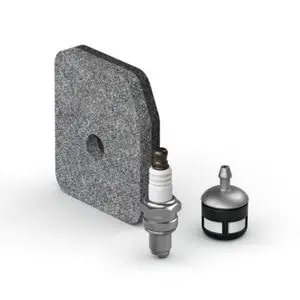
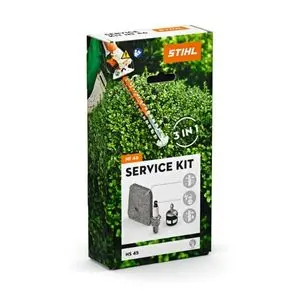
If you need further help diagnosing stubborn 2 stroke problems, our expert team is always on hand to offer practical advice and support. And before you go, don’t forget to browse our high-quality Service Kits and Cleaning Kits, along with our Spare Parts Finder—all designed to keep your petrol garden machinery running smoothly for many years to come.