
Returned from your summer holiday to an overgrown lawn? Don’t cut long grass back to its usual height in one go. Strim very tall growth first if it’s too much for your mower, collect heavy clippings, then mow on a high setting before gradually reducing the cutting height over several sessions. Give the grass time to recover between cuts, water if conditions are dry, and tackle feeding and weeds once the lawn is growing strongly again.
What to Do with an Overgrown Lawn After a Summer Holiday
Returning home after a relaxing summer holiday can bring an unwelcome surprise. You open the back door expecting to see your lawn, only to discover something resembling a small meadow.
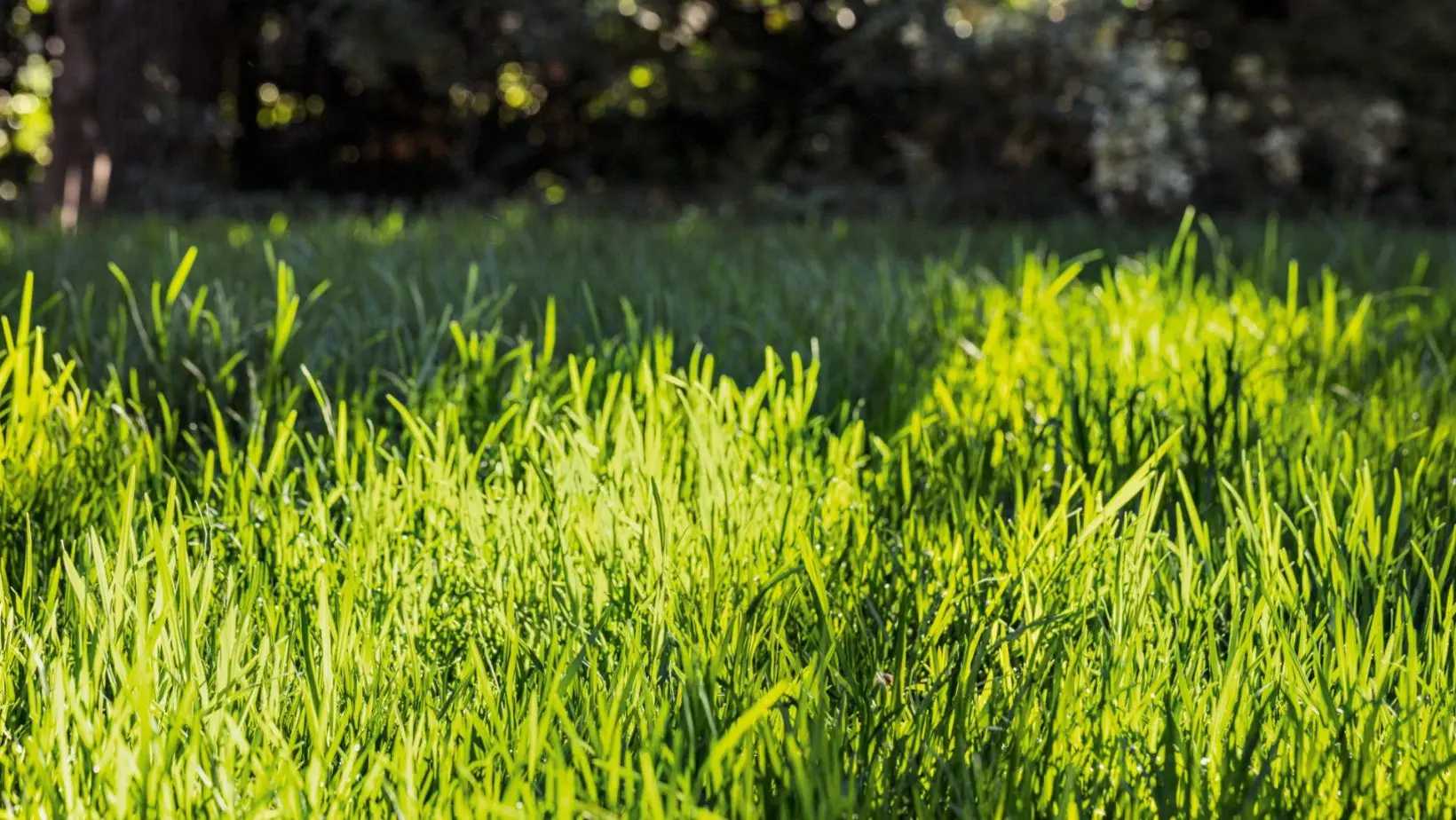
During warm, damp summer weather, grass can grow remarkably quickly. Leave it untouched for a fortnight and an ordinarily neat lawn can become long, uneven and difficult to mow. Weeds may have appeared too, while areas of grass can become flattened beneath the weight of new growth.
Your first instinct might be to reach for the lawnmower and restore order in one afternoon. However, aggressively cutting very long grass back to its usual height can stress the turf and put unnecessary strain on your machinery.
Good overgrown lawn care calls for a more gradual approach. By reducing the grass in stages and helping it recover afterwards, you can regain control without compromising the lawn’s long-term health.
Inspect Your Lawn Before Cutting
 Before starting any machinery, walk around the garden and check what’s hiding beneath the grass. Stones, children’s toys and other objects become much harder to spot once vegetation grows taller. Hitting something with a mower blade or strimmer could damage your equipment and potentially send debris flying.
Be mindful of wildlife too. Hedgehogs, frogs and other garden visitors can shelter in dense vegetation, so inspect overgrown areas carefully before starting work.
Ground conditions matter as well. Ideally, wait until the vegetation is reasonably dry and the soil is firm. Wet grass tends to flatten rather than cut cleanly and can quickly clog a mower deck or collection system.
Should You Strim Long Grass Before Mowing?
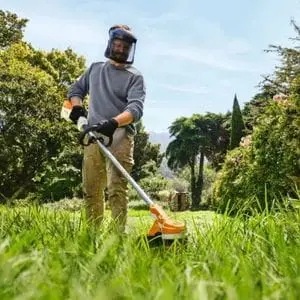 Not every post-holiday lawn needs strimming. If the grass is moderately longer than usual and your mower can comfortably tackle it on its highest cutting setting, you can usually begin mowing straight away.
When growth is extremely tall, tangled or dense, strimming long grass first makes much more sense. A lawnmower can struggle when vegetation folds beneath the deck rather than standing upright for the blade.
Use your grass trimmer to remove the upper section of growth rather than attempting to achieve the finished lawn height immediately. Work methodically and avoid scalping the turf. Gradually reducing the vegetation also gives you more opportunity to spot obstacles or wildlife concealed underneath.
Once you’ve finished, rake up any substantial quantities of cut material before introducing the mower.
How to Cut an Overgrown Lawn Without Damaging It
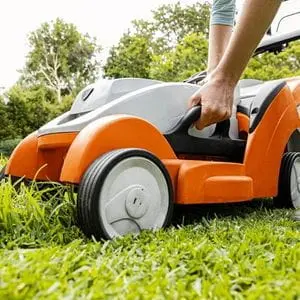 The most important thing to remember when learning how to cut an overgrown lawn is that the finished result doesn’t need to happen in one day.
Grass relies on its leaves to photosynthesise and generate the energy required for healthy growth. Removing too much leaf in a single cut can place the plant under significant stress, particularly during hot or dry summers.
Ideally, you shouldn’t remove more than one third of the grass blade’s height in a single mow. With severely overgrown grass, following this precisely isn’t always practical, but the overall principle remains the same.
Start with your lawnmower on a high cutting setting. Your first objective is simply to make the grass shorter and more uniform. Allow it to recover before mowing again at a slightly lower height. Repeat the process until you’ve gradually returned the lawn to a sensible level.
If you want to know how to mow long grass effectively, patience is every bit as important as the machine you’re using.
Don’t Overload Your Lawnmower
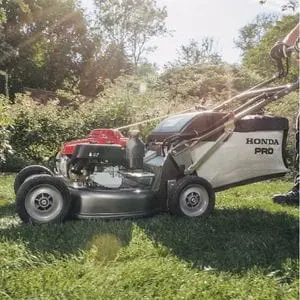 Mowing a lawn every week is relatively easy work for a suitable machine. Tackling several weeks of summer growth is a different proposition.
Move at a sensible pace and pay attention to how the mower is performing. If the engine or motor begins labouring, the deck repeatedly clogs or large areas remain uncut, don’t simply force the machine forwards.
Raise the cutting height or make narrower passes so less material enters the deck at once. If that still isn’t enough, return to the strimmer and reduce the grass further.
The best mower for long grass will depend on the size and condition of the garden. Powerful petrol lawnmowers remain popular for demanding work, while many modern cordless machines offer excellent cutting performance without the drawbacks of fuel or a trailing cable.
Whatever type of lawn mower for overgrown grass you’re using, a generous range of cutting heights is particularly useful. It allows you to start high before gradually working back towards your preferred length.
Should You Collect the Grass Clippings?
 Fine grass clippings can benefit a healthy lawn. When you’re mowing regularly and removing very little growth, they break down relatively quickly and return nutrients to the soil.
The situation changes with an overgrown lawn.
Following strimming or an initial high cut, you may have a considerable quantity of vegetation sitting on the surface. Leaving heavy clumps in place can smother the grass beneath, restricting light and airflow. Damp piles of cuttings can also take much longer to decompose.
For this reason, collection is usually advisable during the first stages of cutting long grass.
Rake up substantial amounts left by a strimmer, then use your mower’s collection system during the following cuts. Once you’ve restored a regular mowing schedule and are removing only small amounts of grass, mulching or leaving fine clippings can again be appropriate if conditions allow.
Give the Lawn Time Between Cuts
 If your lawn needs several mowing sessions to return to its normal height, avoid completing them all on the same afternoon.
Giving the grass a few days between significant cuts allows it to recover. Exactly how long you should wait will depend on growth rate, weather and the overall condition of the turf.
This becomes particularly important during hot, dry periods. Grass that’s already struggling with limited moisture doesn’t need the additional shock of repeatedly losing large amounts of leaf.
Understanding how to cut tall grass successfully is therefore as much about timing as cutting technique.
Keep the Grass Slightly Longer While It Recovers
Once your garden starts looking presentable again, it can be tempting to finish with an especially close cut. Resist the urge.
Keeping the lawn slightly longer during its recovery period leaves more green leaf available for photosynthesis. Taller grass also provides useful shade for the soil, helping reduce moisture loss during warm summer weather.
Continue mowing regularly and gradually work towards your preferred cutting height once healthy growth has resumed. This gentler approach should produce stronger turf than immediately scalping a lawn that has only just been brought back under control.
Water According to Conditions
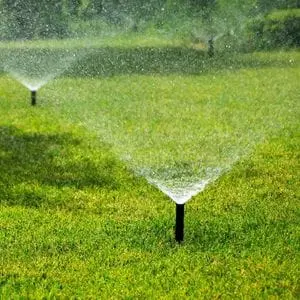 Summer holidays often coincide with Britain’s warmest and driest weather. If the lawn begins showing signs of drought stress once you’ve reduced its height, watering may help its recovery.
A thorough watering is generally more useful for established turf than frequent light sprinkling. The aim is to encourage moisture to penetrate the soil rather than simply wetting the surface.
Early morning is usually a good time to water because temperatures are cooler and less moisture is lost through evaporation.
There’s no need to water automatically, though. If you’ve returned from holiday to discover that your garden has spent the previous fortnight under rain clouds, the soil may already contain all the moisture your lawn needs.
Don’t Rush to Feed a Stressed Lawn
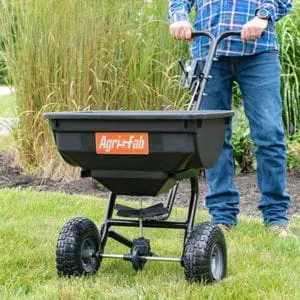 A tired-looking lawn doesn’t necessarily need fertiliser immediately.
If you’ve just significantly reduced its height, or the turf is suffering from heat and drought stress, allow it to recover first. Once the grass is actively growing and conditions are appropriate, a suitable seasonal lawn feed can provide nutrients to support healthy development.
Always follow the manufacturer’s application instructions. Applying extra fertiliser won’t accelerate recovery and excessive quantities can damage the lawn.
For larger gardens, a spreader can provide an effective way of applying suitable granular lawn treatments more evenly.
Deal With Weeds Once the Lawn Is Under Control
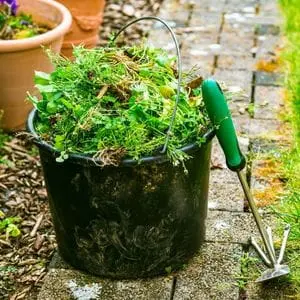 Weeds can become very noticeable while you’re away, particularly if their stems and flowers rise above the surrounding grass.
There’s no need to tackle every weed as soon as you’ve finished unpacking your suitcase. Restore your normal mowing routine first and assess the lawn once it has recovered.
Regular mowing itself can suppress certain weeds by preventing them from flowering and setting seed. Healthy, dense grass is also better able to compete for space.
Once the turf is growing strongly again, you’ll have a clearer picture of any remaining weed problem and can choose an appropriate treatment if required.
Return to Regular Mowing
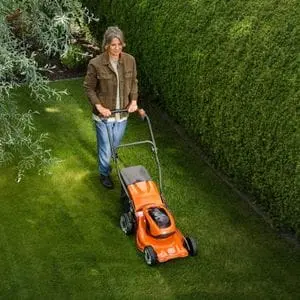 Once you’ve regained control, regular mowing is the easiest way to keep the lawn healthy and manageable.
Frequent cutting means removing relatively little grass each time, which reduces stress on both the turf and your lawnmower. It can also encourage a denser, more attractive surface.
Adapt your mowing routine to the weather rather than rigidly following the calendar. During periods of vigorous summer growth, the lawn may need cutting more frequently. In very hot and dry conditions, allowing the grass to remain slightly longer can help protect it.
If you’re heading away again, mowing shortly before departure can give you a useful head start. Avoid cutting exceptionally short in anticipation of your holiday, though. Scalping the lawn before a period of hot, dry weather can leave it more vulnerable while you’re away.
Turn Your Post-Holiday Jungle Back Into a Lawn
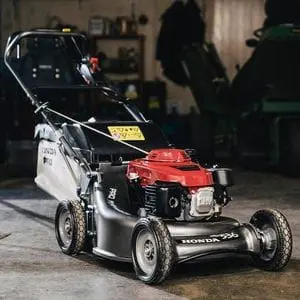 Coming home to a garden full of tall grass doesn’t mean you need to spend your first day back forcing a mower through it.
The best approach to overgrown lawn care is gradual. Strim first if the vegetation is beyond the sensible capabilities of your mower, remove heavy clippings and begin mowing at a high setting. Then reduce the height over subsequent cuts while giving the grass sufficient time to recover.
Once the lawn is manageable again, you can turn your attention to watering where necessary, removing weeds and feeding at the appropriate time.
And if tackling your post-holiday garden shows that it’s time for new equipment, Garden Machinery Direct is here to help. As the UK’s leading online retailer of lawnmowers and strimmers, we offer an outstanding selection of machinery for gardens of all shapes and sizes. We also sell a superb range of spreaders, giving you everything you need to restore an overgrown lawn and keep it looking its best throughout the year.