

Flame Guns
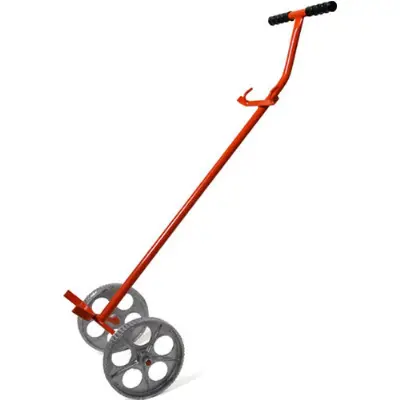
Our Price: £136.00 (inc VAT)
Only 3 left in stock
Removing the need to carry the gun whilst it is in operation. Extremely useful for large areas, which need precise, accurate results.
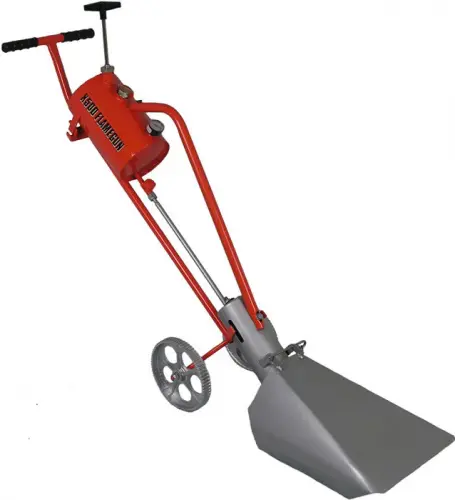
Our Price: £445.00 (inc VAT)
Only 5 left in stock
Operates at 2000 degrees Fahrenheit which destroys weeds, spores and bacteria organically with no poison hazards for crops, soil, pets or wildlife.

Our Price: £49.00 (inc VAT)
Out of stock, available to pre-order
The Sheen X300 Hinged hood accessory which will confine the flame within a steel shell. Improves the safety of using a flame gun.
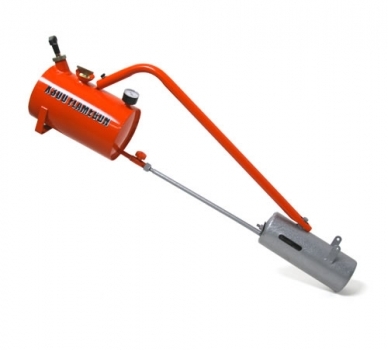
Our Price: £290.00 (inc VAT)
Only 4 left in stock
The Sheen X300 delivers fast, reliable flame weeding without chemicals. Ideal for patios, paths, and borders, it offers 45-minute run time, precision flame control, and long-lasting results, all with minimal maintenance and no harmful residues.
FAQs
Is a flame weeder safe to use in gardens where children and pets are present?
Yes, provided it is used responsibly. Always operate a garden flame gun when children and pets are well away from the treatment area. Once the heated surface has cooled, which is usually within a few minutes, the area can be used safely again. Unlike many chemical weed killers, flame weeding leaves no harmful residues behind.
Do weeds need more than one treatment with a weed burner?
That depends on the type of weed you're tackling. Many annual weeds can be controlled with a single application, while deep-rooted perennial weeds often require repeated treatment. Using a weed burner every couple of weeks on persistent growth gradually weakens the plant until it stops returning.
Where should I avoid using a flame gun?
A garden flame gun should only be used where the heat won't damage plants you want to keep. Avoid using it on lawns, flowerbeds and around ornamental shrubs or vegetables. Flame weeders are most effective on driveways, paved areas, gravel paths and other hard surfaces. A protective hood can also help direct the heat more accurately when working in confined spaces.
What fuel is used in a weed burner?
Many weed burners, including popular Sheen models, are designed to run on paraffin or kerosene. Always check the manufacturer's instructions regarding fuel, and store it in a suitable container, in a secure location, away from heat sources, children and pets.
Does flame weeding help prevent weeds from returning?
Yes. One of the advantages of thermal weed control is that it can destroy not only existing weeds but also many weed seeds on or close to the soil surface before they have the chance to germinate. This makes flame weeding an effective long-term weed management method and can help reduce future weed growth without relying on chemical herbicides.
