

Secateurs & Pruning Shears
Our Price: £69.99 (inc VAT)
Only 3 left in stock
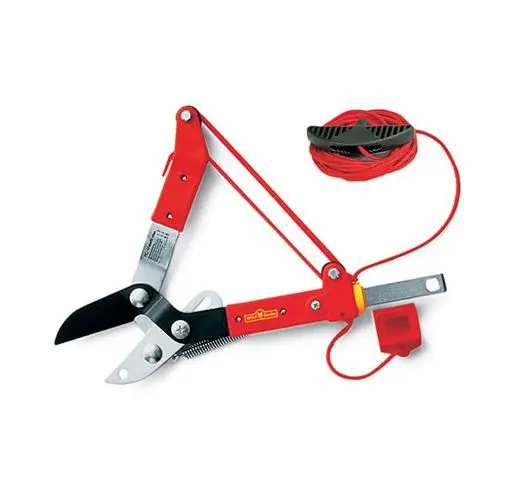
The Wolf-Garten RCM lopping shears provide problem-free cutting of high level branches up to 38 mm in diameter with precision ground non-stick blades.
Our Price: £89.99 (inc VAT)
Only 1 left in stock
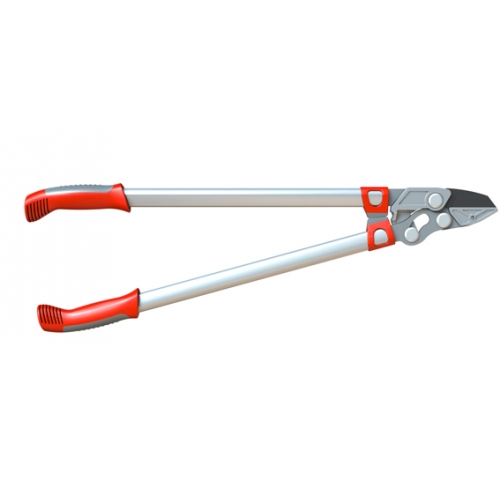
These powerful anvil loppers use new cutting head technology to cut branches up to a maximum diameter of 45 mm. They also boast ergonomic handles with a soft lining for your operating comfort.
Our Price: Price range: £145.00 through £195.00 (inc VAT)
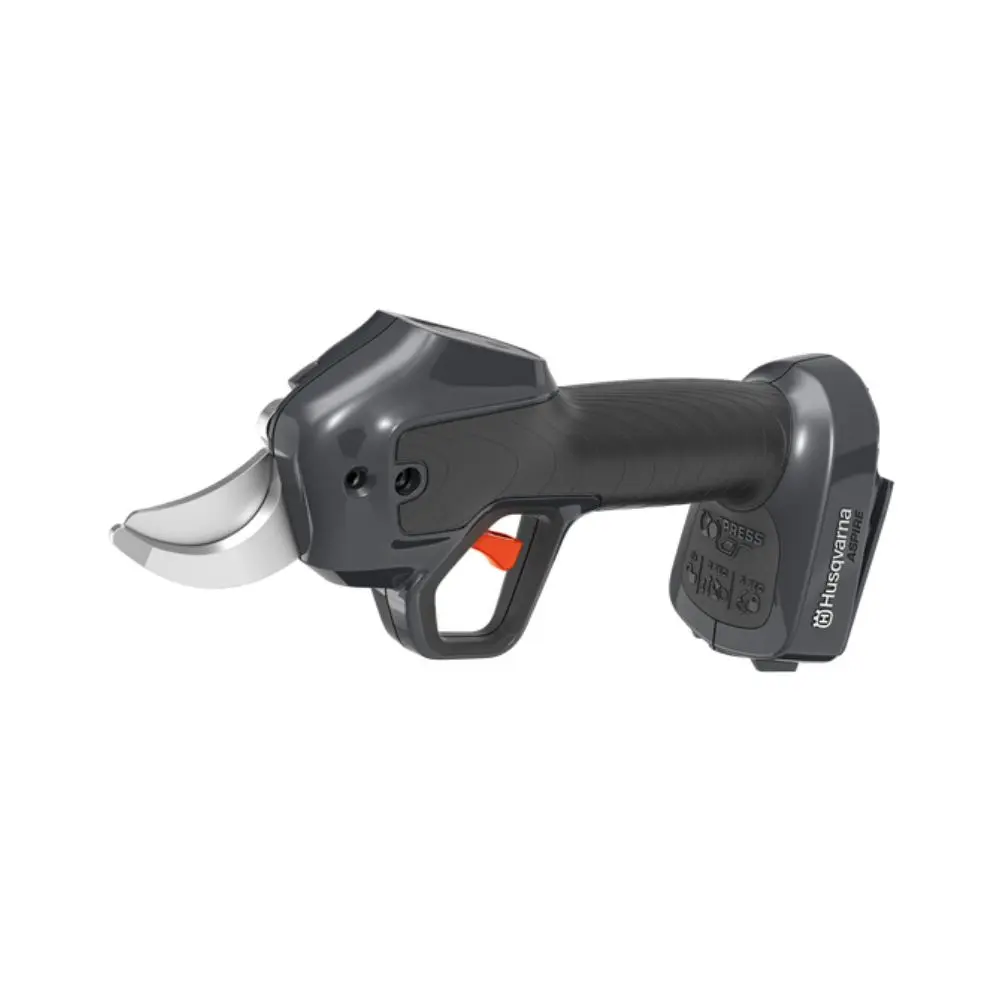
Enjoy effortless pruning with the Husqvarna Aspire™ PS30X-P4A. This cordless secateur combines accurate cutting, low noise operation, and smart battery technology, making it ideal for precise garden work and comfortable long-term use.
Our Price: £89.99 (inc VAT)
Out of stock, available to pre-order
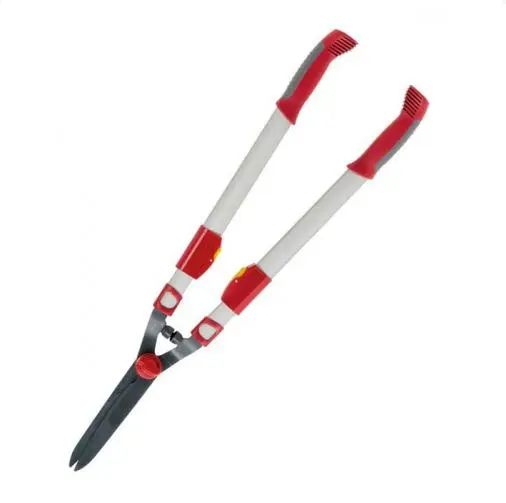
These are lightweight telescopic hedge shears, ideal for general use as well as cutting hard-to-reach places thanks to the adjustable handle length from 700 to 1000 mm.
Our Price: £74.99 (inc VAT)
Out of stock, available to pre-order
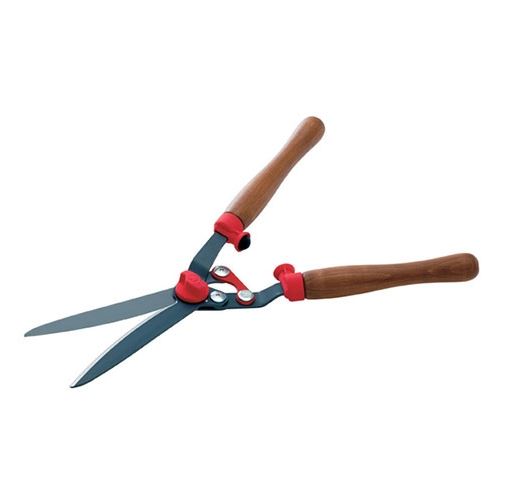
These adjustable hedge shears boast curved double-edged blades to prevent cut material from falling. With the blade tension being adjustable, the effort required to cut is reduced by 40 percent along the length of the blades.
Our Price: £99.99 (inc VAT)
Only 2 left in stock
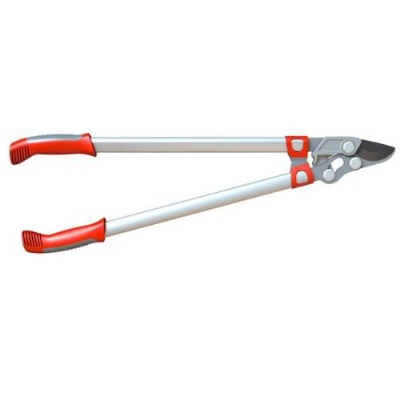
These powerful bypass loppers have long 750 mm handles, allowing them to reach difficult areas, as well as the impressive ability to cut branches up to 45 mm in diameter.
Our Price: £69.99 (inc VAT)
Only 2 left in stock
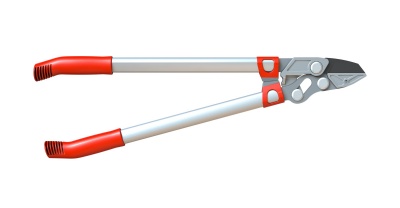
With new cutting head technology and benefiting from ergonomic handles with a soft lining, these are powerful and comfortable anvil loppers to work with. Able to cut material up to 40 mm in diameter.
Our Price: £34.99 (inc VAT)
In stock
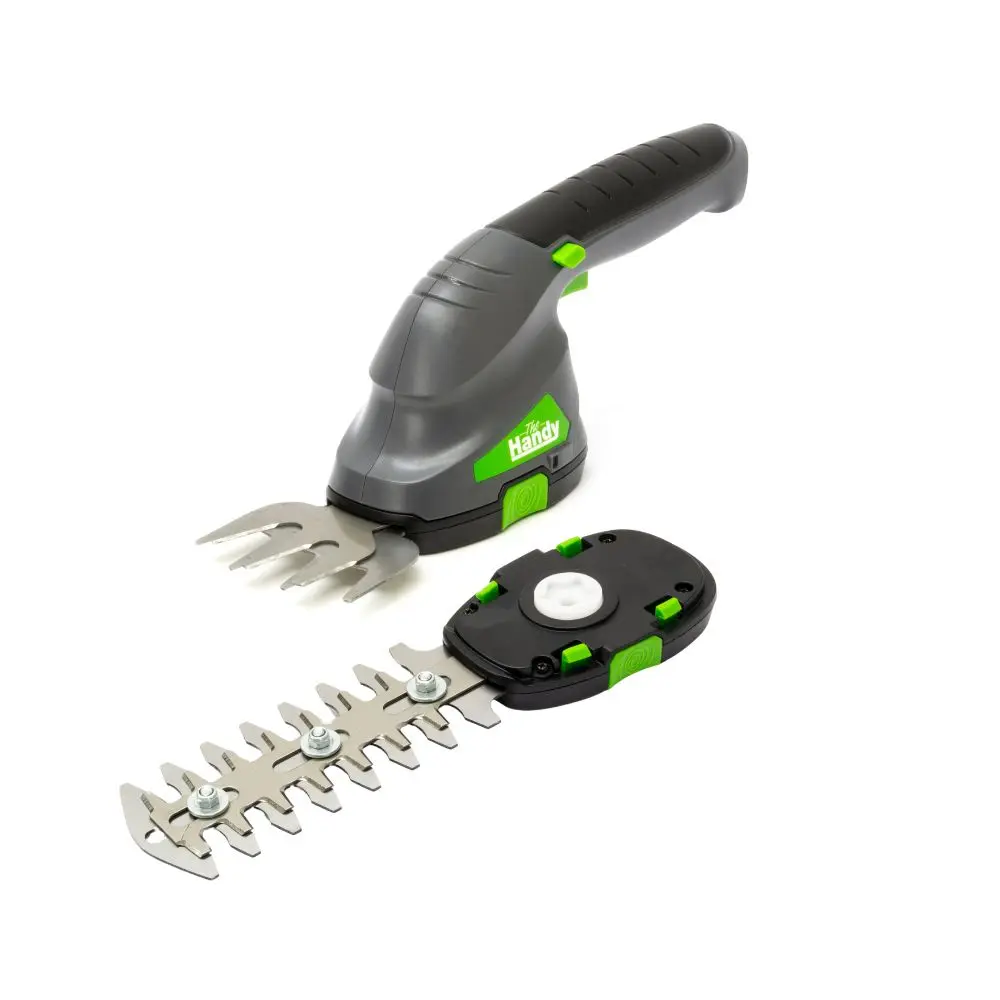
The Handy THGSS Cordless Grass & Shrub Shears feature a 3.6V lithium-ion battery, delivering up to 45 minutes of trimming time. Lightweight and easy to handle, they come with two sharp attachments for precise hedge and grass cutting—perfect for neat, professional garden finishes.
Our Price: £749.00 (inc VAT)
Only 7 left in stock
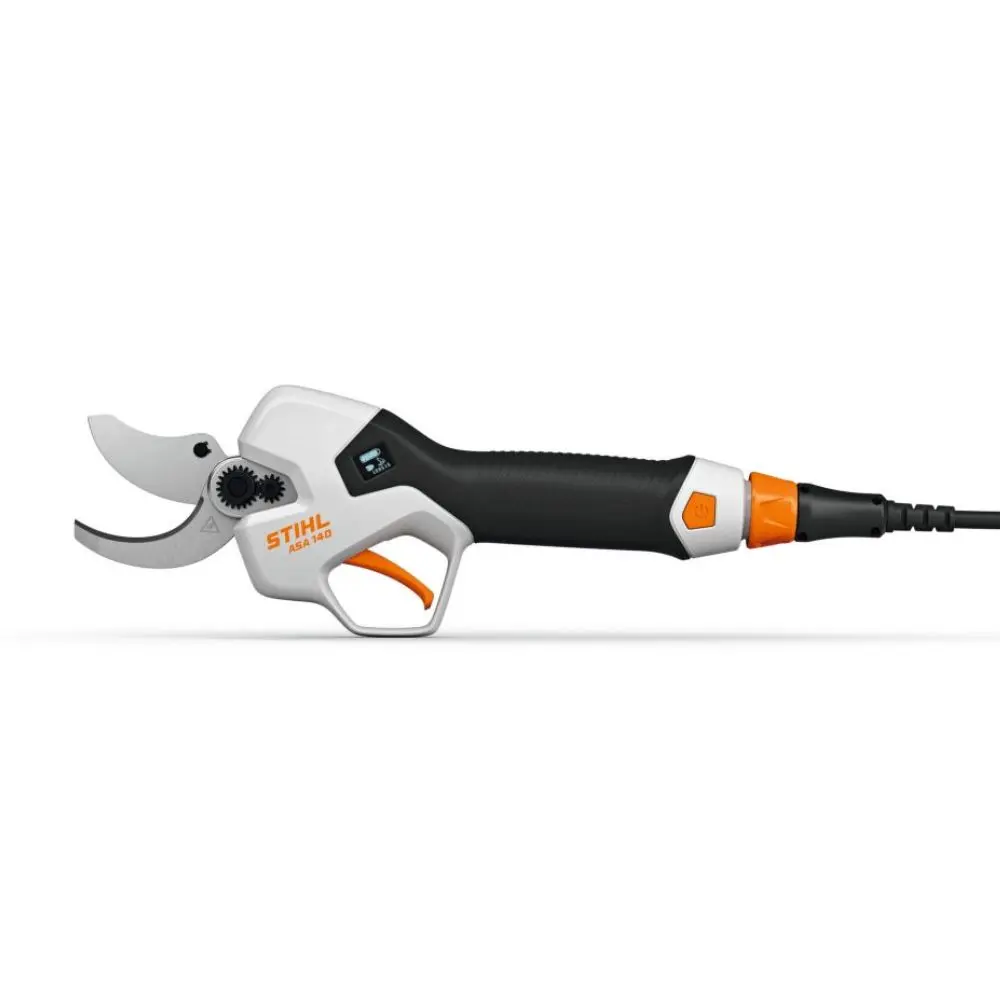
The STIHL ASA 140 cordless secateurs deliver precise, powerful pruning with CONSTANT POWER performance and progressive blade control. Lightweight, comfortable, and built for professionals, they cut branches cleanly while maintaining consistent strength throughout the day.
Our Price: £46.99 (inc VAT)
Out of stock, available to pre-order
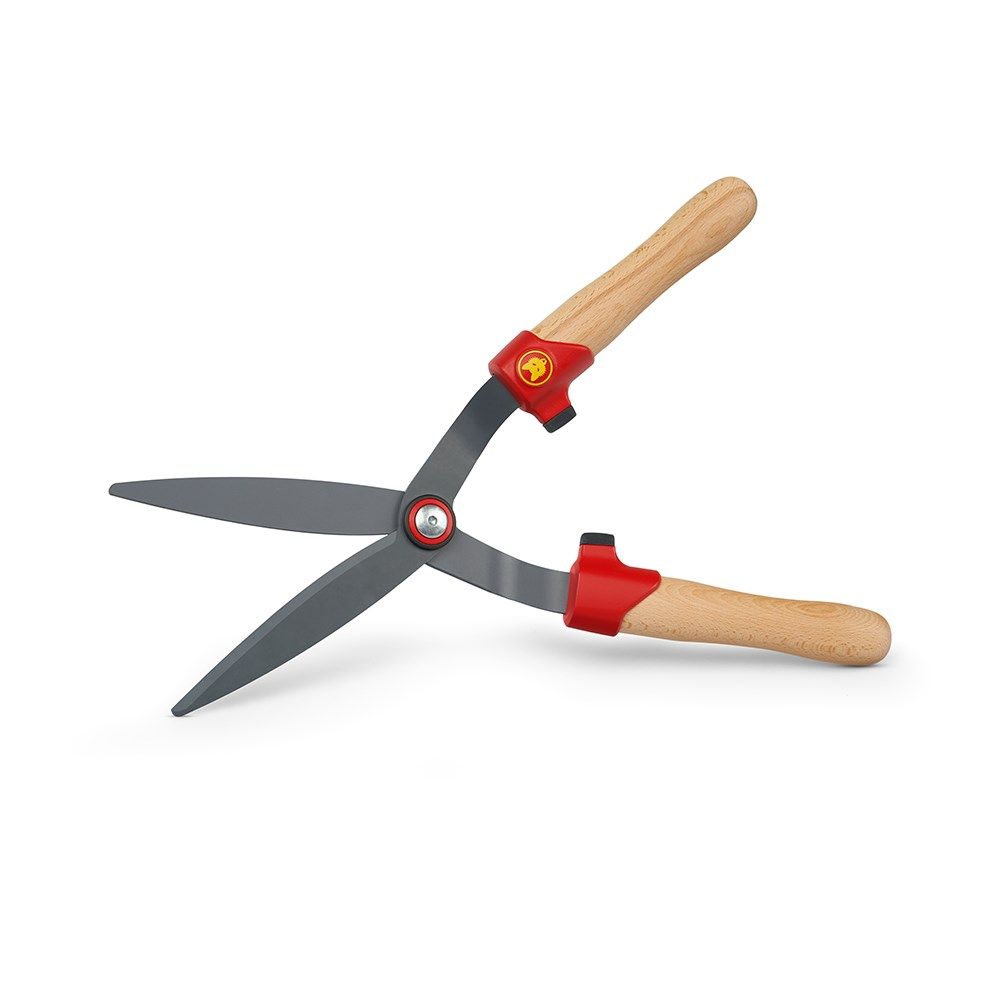
These specialist Wolf Garten topiary shears feature curved double-edged blades for smooth, accurate shaping of box trees and decorative plants. With patented bearing adjustment and comfortable handles, they offer refined cutting control for beautifully maintained topiary designs.
Our Price: £59.99 (inc VAT)
Only 1 left in stock
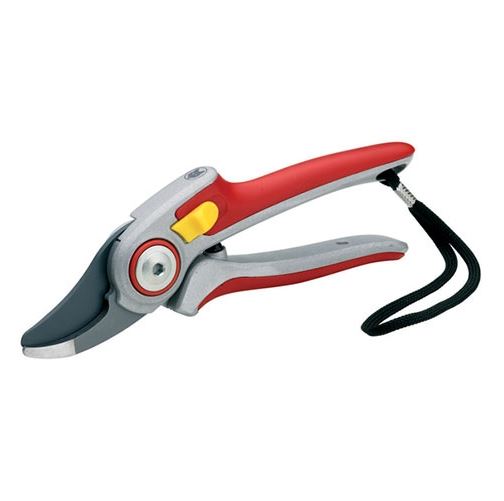
A professional quality pair of bypass secateurs, these have a robust aluminium handle with an ergonomically designed blade that allows you to avoid over-extension of your hand.
Our Price: £29.99 (inc VAT)
Out of stock, available to pre-order
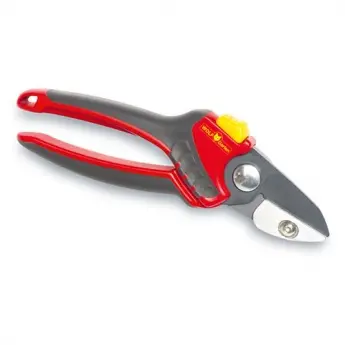
These robust anvil secateurs are designed for large-sized hands, also featuring a soft-grip handle, an easy-to-use locking mechanism and replaceable upper blade. It has a maximum cutting diameter of 25 mm.
FAQs
What's the difference between bypass secateurs and anvil secateurs?
Bypass secateurs feature two blades that pass each other like a pair of scissors, making them ideal for pruning live stems and green growth with clean, precise cuts. Anvil secateurs have a single cutting blade that closes onto a flat surface, making them better suited to cutting dead, dry or harder wood. Choosing the right type of secateurs helps produce cleaner cuts while making pruning easier and more efficient.
Which secateurs can cut the thickest branches?
The cutting capacity of garden secateurs varies between models, but most are designed for branches up to around 20–30 mm in diameter. If you're regularly pruning thicker growth, choose heavy-duty secateurs with a higher cutting capacity or consider using loppers instead. Using the right pruning shears for the job produces cleaner cuts and reduces strain on both the tool and the user.
Are expensive secateurs really worth the extra money?
For anyone who prunes regularly, premium secateurs make an excellent investment. They typically feature precision-ground steel blades, ergonomic handles and replaceable parts, allowing them to deliver cleaner cuts and enjoy a much longer working life than budget alternatives. STIHL and WOLF-Garten secateurs are particularly popular with professional gardeners, landscapers and fruit growers.
Can secateurs be used to cut roots?
While garden secateurs can cope with small, soft roots, they're primarily designed for pruning stems and branches above ground. Cutting thick or gritty roots can quickly dull the blades and may even damage the cutting edge. For tougher underground work, it's better to use a suitable pruning saw, loppers or another purpose-built gardening tool.
How do I look after secateurs and pruning shears to keep them performing well?
Regular maintenance will help your secateurs and pruning shears continue to deliver clean, precise cuts. Wipe the blades after use to remove sap and moisture, lubricate the pivot mechanism periodically and store in a clean, dry place. Keeping the cutting edge in good condition and replacing worn parts where possible will maximise performance and extend the tool's service life.
