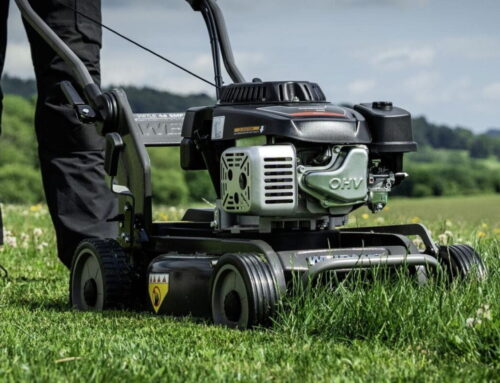

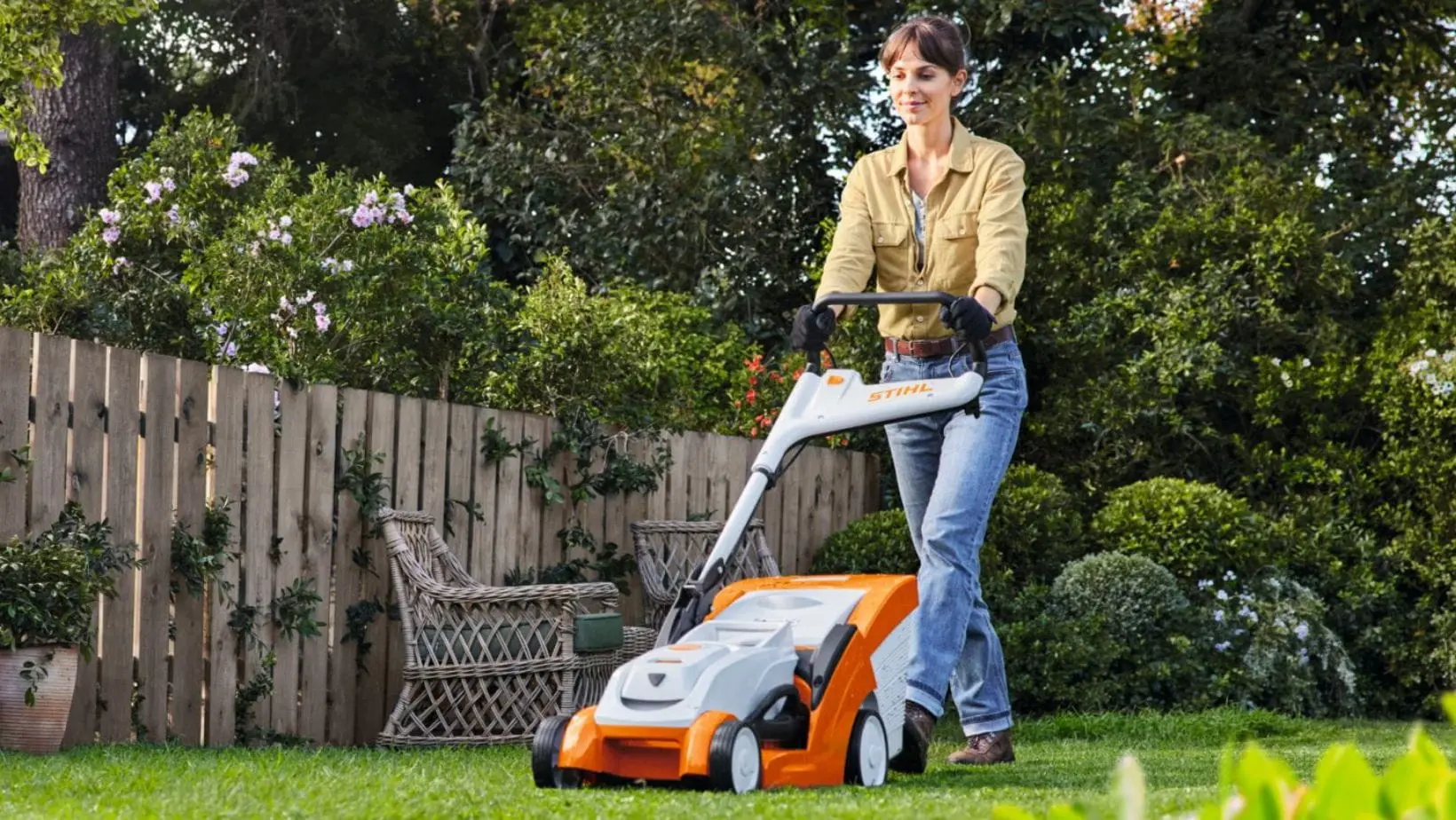
Looking after your lawn is all about timing. Hold off on scarifying until spring growth begins, mow little and often, feed for the season, raise cutting heights in summer, and use autumn for renovation work like aerating and overseeding. Garden Machinery Direct sells lawnmowers, scarifiers, aerators, spreaders, and more, helping you keep your grass healthy, resilient and looking its best all year round.
Garden Machinery Direct’s 2026 Lawncare Guide
A healthy lawn doesn’t just happen by accident. It’s the result of steady, well-timed work carried out with the right approach — and the right garden machinery. In terms of creating an effective annual lawncare programme, the key is understanding what your grass needs in each season.
Lawns respond to temperature, rainfall and daylight hours. Push them too early and you risk damage. Leave things too late and you miss an opportunity to strengthen them. Here, we offer you a clear, chronological guide to lawn care from now until the end of the year, so you can improve the health and appearance of your grass, using the right tools for the job.
Late Winter: Preparation, Not Intervention
 As we move through February and into early March, patience is important. Although it’s tempting to begin scarifying and feeding, most UK lawns are still semi-dormant at this stage. The soil is cold, often wet, and grass growth is very slow.
What you can do now is tidy and prepare. Remove fallen branches and lingering leaves using a lawn rake or garden leaf blower. Clearing debris improves airflow and allows light to reach the grass, reducing the risk of disease.
If moss is visible, lightly brush the surface with a spring-tine rake to remove loose material. If it is heavy, you can apply a treatment using a spreader, but leave deeper mechanical scarifying until the lawn is actively growing later in spring.
Late winter is also the ideal time to service your lawnmower. Ensure the blade is sharpened, moving parts are checked, and the underside of the deck is clean. Sharp blades make a significant difference to lawn health, producing a clean cut rather than tearing the grass. And if you’re thinking about buying a new lawnmower, you’re in exactly the right place to find one.
Early to Mid-Spring: The Growing Season Begins
 By late March and into April, growth should become more noticeable. This is when proper lawncare begins.
For your first mow of the season, set the lawnmower’s cutting height higher than usual and remove no more than a third of the grass length. The aim is to gently reintroduce mowing without stressing the lawn.
As growth strengthens in April, this presents an opportune moment for scarifying. A lawn scarifier removes thatch and moss more thoroughly than hand tools. It improves air circulation and allows nutrients to reach the soil surface more effectively. Because the grass is now actively growing, it can fully recover from the disturbance.
If your lawn feels spongy or drains poorly, aeration should follow. A lawn aerator relieves compaction and encourages deeper root growth. This is particularly beneficial for high-traffic lawns.
Once scarified and aerated, overseeding thin patches is highly effective. Use a lawn spreader to apply grass seed evenly, and keep the area lightly watered if rainfall is limited.
A spring lawn feed applied with a fertiliser spreader will promote healthy green growth. Choose a nitrogen-rich formula designed for spring use.
 Late Spring: Building Density and Strength
May tends to be one of the most satisfying months in the garden. Grass is growing steadily, and regular mowing becomes essential.
Consistency is key. Continue mowing weekly, gradually reducing the cutting height to your preferred level, but avoid scalping.
Weeds may start to appear as temperatures rise. A lawn spreader or sprayer can be used to apply a selective lawn weed treatment, or you can treat individual weeds manually. Dealing with them early prevents them establishing deeper roots.
Early Summer: Managing Growth and Moisture
 By June, your focus shifts slightly. Rather than encouraging growth, you’re now managing it.
Raise the cutting height slightly on your lawn mower during dry spells. Longer grass shades the soil, helping retain moisture and reducing stress on the roots. Continue mowing regularly, but adjust frequency depending on rainfall.
If colour begins to fade, a balanced summer fertiliser can be applied using your garden spreader, though avoid high-nitrogen feeds during hot weather.
Watering becomes relevant if prolonged dry periods set in. A garden irrigation system or hose sprinkler allows deep, occasional watering. It’s better to water thoroughly once or twice a week than lightly every day, as deeper watering promotes stronger root systems.
 Mid to Late Summer: Protecting the Lawn
July and August can be unpredictable in the UK. Some years bring steady rain; others deliver heatwaves.
Avoid heavy treatments during extreme heat, especially scarifying and aerating. Continue mowing, but maintain a slightly higher cut.
If patches turn brown during drought, resist the urge to overwater. Most established lawns recover once rainfall returns. Focus instead on keeping lawnmower blades sharp and removing clippings if growth is minimal.
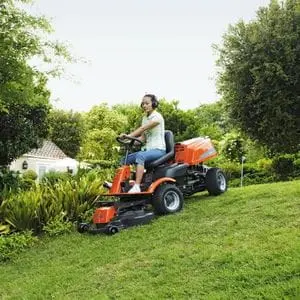
For larger gardens, a ride-on mower makes lawn maintenance extremely efficient, especially where weekly mowing is required to maintain a tidy appearance.
Early Autumn: The Second Window of Opportunity
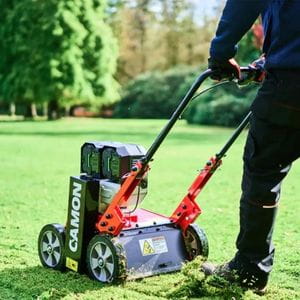 September is often considered the most important month in the lawncare calendar. Soil is warm, rainfall increases, and grass growth resumes after summer stress.
This is the ideal time for more intensive renovation work. Use a lawn scarifier to remove accumulated thatch. Follow this with aeration using a hollow-tine aerator to improve drainage ahead of winter.
Overseeding should be carried out immediately after scarifying. A broadcast spreader ensures even seed distribution. Autumn conditions are perfect for germination, giving new grass time to establish before winter.
Use your spreader to apply an autumn lawn fertiliser, which should be lower in nitrogen and higher in potassium. This strengthens roots and prepares the lawn for colder weather.
Late Autumn: Tidying and Protecting
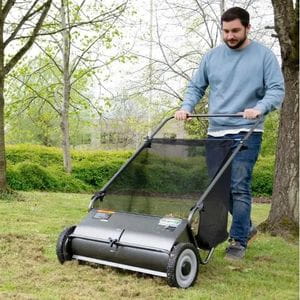 As temperatures drop through October and into November, growth slows again. Continue mowing with your lawnmower as needed, but raise the cutting height slightly to protect the crown of the grass plant.
Leaf removal becomes essential. A leaf blower or lawn sweeper prevents leaves and other organic debris from smothering the grass and encouraging disease. Regular clearance maintains airflow and reduces the risk of fungal problems.
Avoid heavy traffic on the lawn during wet conditions. If soil becomes waterlogged, compaction damage can occur easily.
Early Winter: Minimal Intervention
By December, most UK lawns have entered dormancy. Active maintenance largely stops.
A final light cut may be possible with your lawn mower if conditions are mild, but avoid mowing during frost. Store your garden tools and machinery properly, cleaning blades and draining fuel where appropriate.
This is also a good time to review your equipment. If you’ve struggled with capacity, power or efficiency during the year, upgrading your lawnmower, scarifier, aerator, or spreader ahead of spring can make next season far easier.
The Importance of the Right Garden Machinery
Throughout the year, the quality and suitability of your garden machinery makes a significant difference. A reliable lawnmower ensures a clean cut. A robust scarifier properly removes thatch. An effective aerator improves soil health. Tools like lawn spreaders and leaf blowers can save lots of time and improve consistency too.
In short, choosing garden machinery designed for your lawn size and usage level helps you achieve better results with far less effort.
 Welcome to the Home of Proper Lawncare
Caring for a lawn from now until the end of the year is about observation, timing, and steady intervention. Avoid rushing into major work too early in spring, take advantage of autumn’s renovation window, and adjust mowing height as conditions change. When each task is carried out at the right moment, using the right equipment, your lawn becomes thicker, greener and more resilient year after year.
If you want to invest in the best tools for the job, Garden Machinery Direct should be your first port of call. We stock an unbeatable range of lawnmowers, scarifiers, aerators, spreaders, leaf blowers and more, suitable for gardens of every size. What’s more, our friendly team is always on hand to offer expert lawncare advice and help you choose the ideal equipment for the job.