
If your grass is still growing, the right mowing technique can help protect it. If it's drought-stressed or dormant, it's often better to wait. Discover the best time to cut grass, the ideal mowing height, and other practical advice for keeping your lawn healthy throughout hot summer weather.
Should You Mow the Lawn During a Heatwave?
A spell of hot, sunny weather is always welcome after a long British winter, but when it turns into a heatwave, this can become challenging for your lawn. Grass that looked lush and green just a few weeks earlier may begin to lose its colour, stop growing and develop dry, straw-coloured patches. At that point, many people wonder whether to carry on mowing as normal or leave the lawn alone until cooler weather returns.
The answer depends on the condition of the grass. While regular mowing is one of the foundations of good lawn maintenance, there are times when putting the mower away is actually the best thing you can do. Understanding how grass responds to heat will help you avoid unnecessary damage and keep your lawn in the best possible condition throughout the summer.
In this guide, we’ll explain the best time to mow lawns during a heatwave, how high to leave the grass, when mowing can do more harm than good and the simple steps that make summer lawn care much easier.
Why Heatwaves Put Lawns Under Pressure
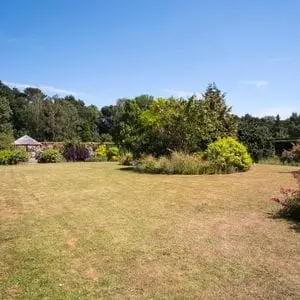 Grass is remarkably resilient, but it has its limits. During prolonged periods of hot, dry weather, the plant naturally shifts its priorities. Instead of producing fresh growth, it focuses on conserving moisture and protecting itself from drought.
As soil dries out, grass roots have to work harder to find water. Growth slows, and in severe conditions it may stop altogether. Many lawns begin to turn pale green before gradually becoming yellow or light brown. Although this can look alarming, it doesn’t necessarily mean the grass has died. In most cases, it has simply entered a temporary dormant state until rainfall returns.
This is why grass care in summer differs from lawn maintenance during spring or autumn. Practices that encourage healthy growth during cooler months can become stressful when temperatures rise. Mowing is a perfect example.
Should You Mow Dry Grass?
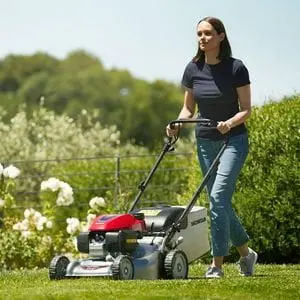 If the grass is dry because the morning dew has evaporated but the lawn is still healthy and growing, then yes. In fact, dry grass generally produces a cleaner cut than wet grass and is less likely to clog your mower.
However, if the lawn is dry because of drought and obvious heat stress, the answer is probably no.
Grass that has stopped growing doesn’t benefit from regular cutting. Every pass of the mower removes valuable leaf area that the plant needs to produce energy through photosynthesis. The shorter the grass becomes, the more sunlight reaches the soil, increasing evaporation and placing even greater strain on the roots.
If your lawn has become brittle, brown or dormant during a heatwave, waiting for cooler weather is usually the better choice.
The Best Time to Cut Grass During Hot Weather
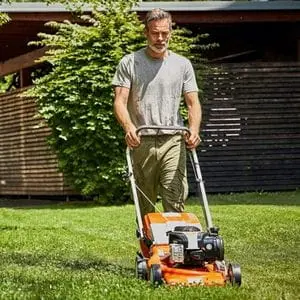 Even if your lawn still needs mowing, timing makes a significant difference.
The best time to cut lawns is when temperatures are at their lowest and the grass isn’t under direct heat stress. For most gardeners, that means mowing during the early evening once the strongest sunshine has passed. At this point, the lawn has had time to dry, but the temperature has begun to fall, allowing the grass to recover more comfortably after cutting.
Early morning can also work well, provided the dew has lifted. Wet grass tends to clump together, produces a less even finish and can increase the likelihood of fungal problems, so it’s worth waiting until the surface has dried.
Times to Avoid
Avoid mowing during the middle of the day. Strong sunshine combined with high temperatures can rapidly dry freshly cut grass, leaving it vulnerable to scorching and moisture loss.
Once temperatures climb to around 30°C (86°F) or higher, many lawns begin to experience significant heat stress, particularly if rainfall has been scarce. Unless the grass is still growing well, delaying mowing until cooler weather returns is usually the safest option.
Raising the Cutting Height for a Healthier Lawn
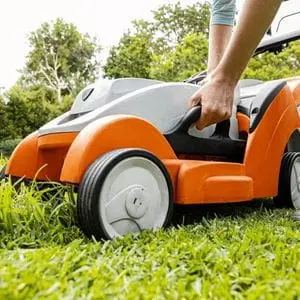 Many people lower their mower’s cutting height during the growing season in search of a perfectly manicured lawn. During a heatwave, however, the opposite approach is far better.
Longer grass creates its own shade, helping keep the soil cooler while slowing moisture loss. It also allows each plant to maintain a larger leaf surface for photosynthesis, giving it more energy to survive prolonged dry conditions.
For most domestic lawns, increasing the cutting height to around 50 to 75 mm (2 – 3 inches) provides sensible protection throughout the hottest weeks of summer.
This simple adjustment is one of the most effective forms of lawn care in hot weather, yet it is often overlooked.
Another important rule is never to remove more than one-third of the grass blade in a single mow. Taking too much off at once places unnecessary stress on the lawn and makes recovery much slower.
Why Short Cuts Cause More Harm Than Good
A freshly cut, closely mown lawn might appear neat for a short time, but during extreme heat it can create lasting problems.
Very short grass leaves the soil exposed to direct sunlight, causing temperatures around the root zone to rise significantly. Moisture evaporates more quickly, while weakened grass struggles to compete against weeds and moss once wetter weather returns.
Repeated close mowing during a drought can even thin out the lawn permanently in some areas, leaving bare patches that require overseeding later in the year.
Successfully mowing grass in hot weather is therefore less about appearance and more about protecting the health of the turf until growing conditions improve.
When It’s Better Not to Mow at All
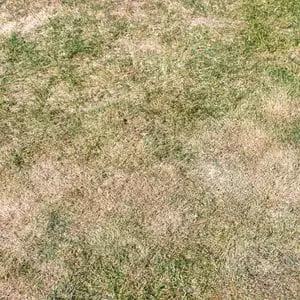 Sometimes the best decision is not to mow.
If the grass has stopped growing completely, feels brittle underfoot or has turned uniformly brown across large areas, your lawn has probably entered dormancy. This is a natural survival mechanism rather than a sign that it has died.
Continuing to mow dormant grass achieves very little and may slow its recovery when rain finally arrives.
It’s also sensible to postpone mowing if an official heatwave is forecast to continue for several more days without meaningful rainfall. Likewise, if daytime temperatures are expected to remain around 30°C (86°F) or above, giving the lawn a break is usually the wiser choice. Waiting until temperatures ease or rain arrives will almost always produce a healthier result than trying to maintain a strict mowing schedule.
Knowing when to leave the mower in the shed is an important part of responsibly mowing lawns in hot weather.
Watering and Mowing Go Hand in Hand
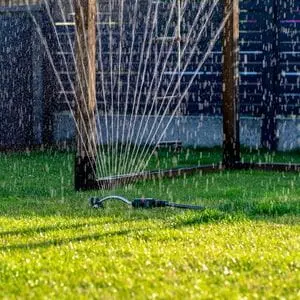 Water management plays a major role in keeping lawns healthy throughout hot weather.
If watering is practical and permitted in your area, apply water deeply rather than little and often. A thorough soak encourages roots to grow further into the soil in search of moisture, making the lawn more resilient during future dry spells.
Light daily watering tends to keep moisture close to the surface, encouraging shallower roots that become dependent on frequent irrigation.
After watering, allow the grass to dry before mowing. This gives a cleaner finish and reduces unnecessary strain on both the lawn and the mower.
Combining sensible watering with carefully cutting grass in hot weather gives your lawn the best chance of remaining healthy throughout prolonged warm spells.
Don’t Forget Your Mower
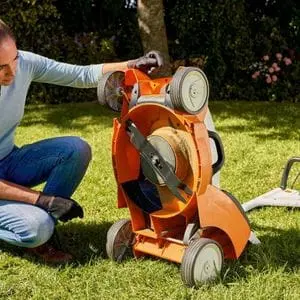 Mowing lawn in hot weather affects machinery as well as grass.
Before mowing during summer, check that your blade is sharp and in good condition. A blunt blade tears the grass instead of cutting it cleanly, leaving ragged edges that lose moisture more quickly and become susceptible to disease.
You should also empty the grass collector regularly and brush away accumulated clippings after use. Keep cooling vents clear too, as this helps prevent the engine from overheating on particularly warm days.
Routine maintenance may seem minor, but it contributes to cleaner cuts and healthier grass throughout the season.
Looking Beyond the Heatwave
British summers are unpredictable. One week may bring scorching sunshine, while the next delivers heavy showers and rapid growth.
Once rainfall returns and temperatures begin to fall, your lawn will usually recover quickly. Fresh green shoots will emerge, and you can gradually resume normal mowing. Resist the temptation to lower the cutting height immediately, though. Allow the lawn to regain strength before returning to your usual mowing routine.
Patience is often rewarded with a thicker, healthier lawn that is better prepared for the rest of the growing season.
A Smarter Approach to Summertime Lawn Care
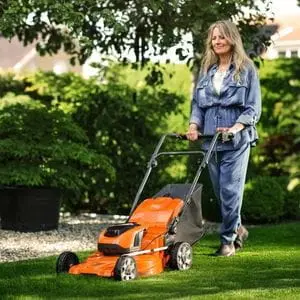 The secret to successfully mowing lawn in summer isn’t mowing more often—it’s mowing more thoughtfully. Every lawn responds differently to heat, so rather than following a fixed weekly schedule, pay attention to how the grass is actually growing.
If your lawn remains green and actively growing, mow during the coolest part of the day, raise the cutting height and remove only a small amount of growth. If the grass has become dormant, leave it alone until conditions improve.
Understanding the best time to cut the lawn and recognising when not to mow are among the simplest ways to protect your lawn during periods of extreme heat.
By adapting your approach to the weather instead of sticking rigidly to routine, you’ll give your grass the best possible chance of staying healthy, resilient and ready to flourish once cooler, wetter conditions return.
Get Ready for Your Next Mowing Session with GMD
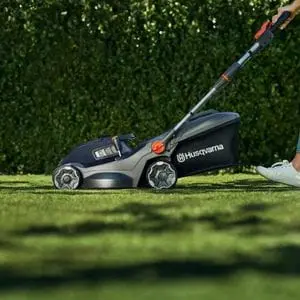 Once cooler weather and regular rainfall return, your lawn will soon begin growing again. That’s the perfect time to assess your equipment and make sure you have the right mower and accessories to keep your grass looking its best throughout the rest of the season.
If you’re considering a new lawnmower or need replacement blades, cartridges or mulch kits, Garden Machinery Direct should always be your first port of call. With exclusive access to the industry’s biggest names, including STIHL, Husqvarna and Honda, you’ll find an extensive range of quality products for every type of lawn and level of expertise.
Whether you’re maintaining a compact urban garden or several acres of landscaped grounds, we can offer you competitive pricing, expert advice and fast nationwide delivery to your door.
If you shop at GMD, you’ll have everything required to achieve the best possible results once your lawn is ready for its next cut.