
Hot weather won't usually harm modern cordless garden tool batteries, but prolonged exposure to excessive heat can shorten their lifespan and affect performance. Discover why a battery may be too hot to charge, how to store lithium-ion batteries safely during summer, and the simple steps that will help keep your cordless garden machinery running reliably for years to come.
Can Hot Weather Damage Cordless Garden Tool Batteries?
The summer months are always a busy time for gardeners. Longer days and drier weather provide the perfect opportunity to mow the lawn, trim hedges, shape shrubs and tackle countless other outdoor jobs. Increasingly, these tasks are carried out using cordless garden tools powered by rechargeable lithium-ion batteries.
Modern battery technology has transformed garden machinery, delivering quieter operation, lower maintenance and premium performance without the inconvenience of trailing cables or mixing fuel. However, while today’s batteries are designed to cope with normal British summer conditions, prolonged exposure to excessive heat can affect both their short-term performance and long-term lifespan.
Understanding how heat affects rechargeable batteries can help you avoid unnecessary wear, extend battery life and keep your cordless equipment working reliably for years to come.
In this guide, we’ll explain why lithium-ion batteries dislike excessive heat, why charging may sometimes be delayed after use, and the simple steps you can take to use your cordless garden machinery safely throughout the summer. So, if you’ve ever found your battery too hot to charge after finishing a demanding gardening job, or wondered whether leaving batteries in a hot shed is a good idea, please read on…
Why High Temperatures Affect Lithium-Ion Batteries
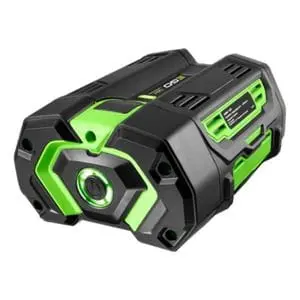 Nearly all modern cordless garden tools use rechargeable lithium-ion batteries. These battery packs are engineered to deliver high power, long runtimes and hundreds of charging cycles, making them ideal for everything from lightweight grass trimmers to professional chainsaws and ride-on mowers.
Inside every battery, carefully controlled chemical reactions store and release energy. Like most chemical processes, these reactions are influenced by temperature. As the battery becomes hotter, the reactions occur more rapidly, placing additional stress on the cells.
Occasional use on a warm day is unlikely to cause any problems. However, repeated exposure to excessive temperatures can gradually accelerate battery ageing. Over time, this may reduce the battery’s overall capacity, shorten its runtime and make it less efficient than when it was new.
Fortunately, leading manufacturers design their battery systems with sophisticated electronic protection. Temperature sensors continuously monitor the battery while it is operating and charging, helping to prevent damage if conditions become too extreme.
Can Hot Weather Permanently Damage a Battery?
 Simply using cordless garden equipment during summer isn’t going to damage your batteries. These products are developed for outdoor use and are expected to perform during warm weather.
The greater concern is prolonged exposure to excessive heat, particularly when the battery is left sitting in direct sunshine or stored somewhere that becomes extremely hot. For example, the temperature inside a parked car, van or greenhouse can rise far above the outside air temperature, placing unnecessary stress on lithium-ion cells.
Repeated overheating may speed up natural battery degradation. Although the effects are usually gradual rather than immediate, you may eventually notice shorter runtimes, reduced performance or a battery that no longer accepts as much charge as it once did.
However, this type of damage is largely preventable with sensible handling and storage.
Why Is My Battery Too Hot to Charge?
 One of the most common concerns amongst cordless garden tool owners is removing a battery after mowing or hedge cutting in hot weather, only to discover that the charger refuses to begin charging.
In many cases, this is completely normal.
Modern chargers communicate with the battery’s built-in management system before charging begins. If the cells are outside the manufacturer’s safe charging temperature range, the charger will simply wait until the battery has cooled sufficiently. Depending on the model, a warning light or flashing indicator may appear, leading many owners to believe that something has gone wrong.
In reality, this safety feature is protecting the battery.
Charging generates heat naturally. Attempting to recharge an already overheated battery could place unnecessary strain on the cells, reduce long-term performance and potentially shorten the battery’s service life. Preventing charging until temperatures return to a safe level helps maintain both safety and battery health.
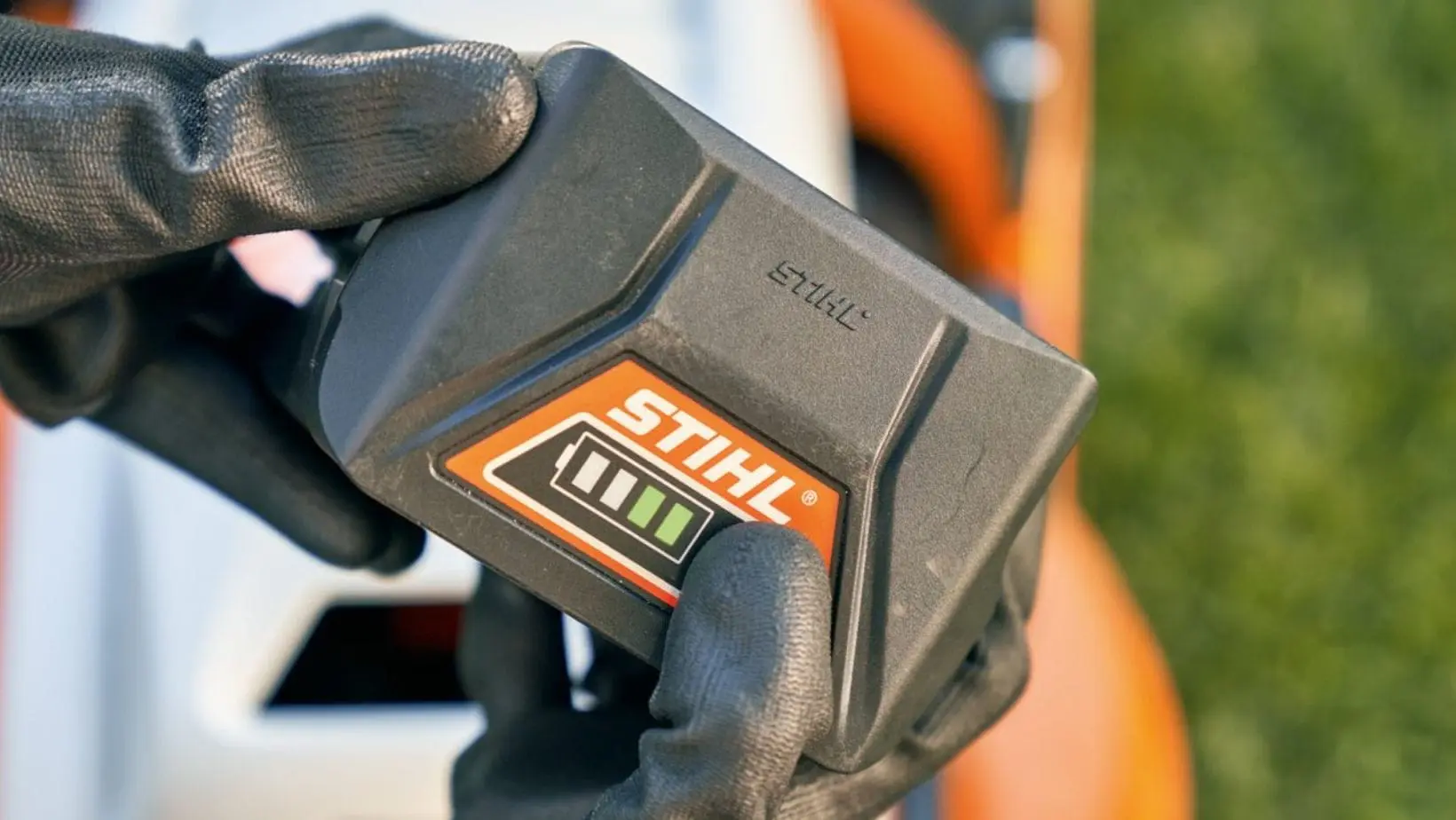
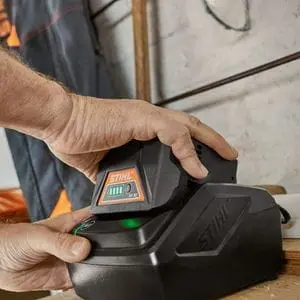
If you encounter a battery too hot to charge warning, the simplest solution is patience. Remove the battery from the charger and allow it to cool naturally in a shaded, well-ventilated indoor location before trying again.
Should You Try and Cool a Battery Quickly?
When a battery feels warm after heavy use, it can be tempting to speed up the cooling process. However, sudden temperature changes should be avoided.
Placing a hot battery into a refrigerator or freezer may create condensation as it warms up again, potentially allowing moisture to reach electrical components. Equally, resting it directly in front of an air conditioning vent or using other forms of rapid cooling is unnecessary.
Instead, leave the battery somewhere dry, shaded and well-ventilated until it returns naturally to a moderate temperature. Most batteries cool surprisingly quickly once removed from the tool.
Using Cordless Garden Tools Safely During Summer
 Hot weather doesn’t mean you need to avoid using battery-powered garden machinery. Instead, a few sensible habits can help minimise heat build-up while allowing you to complete your gardening tasks efficiently.
Where practical, avoid leaving batteries sitting in direct sunshine between jobs. If you’re tackling a large garden or working professionally throughout the day, alternating between two batteries gives each pack an opportunity to cool naturally before being used again. It’s also worth taking occasional breaks during prolonged periods of heavy work, particularly when using demanding equipment such as chainsaws, brushcutters or high-powered leaf blowers.
Keeping both the battery and charger clean also plays an important role. Dust, grass clippings and other debris can restrict airflow around cooling vents, making it more difficult for heat to dissipate. A quick inspection after each use helps maintain efficient cooling and reliable operation.
It’s also important to remember that warm weather often exposes an existing weakness rather than creating one. A healthy lithium-ion battery that has been properly maintained should continue to deliver dependable performance throughout the summer, provided it is used within the manufacturer’s recommendations and not subjected to unnecessary heat.
How to Store Lithium Ion Batteries During Hot Weather
 Looking after your batteries doesn’t stop when you’ve finished gardening. Appreciating how to store li ion batteries is just as important as careful use, especially during periods of hot weather.
If you’re wondering how do you store lithium batteries so they remain in good condition between uses, the answer is straightforward.
The ideal storage location is cool, dry and well ventilated. An indoor cupboard, utility room or garage is far more suitable than a greenhouse, conservatory or garden shed that becomes extremely hot during the day. Likewise, batteries should never be left on a sunny windowsill or inside a parked vehicle, where temperatures can climb rapidly even when the outside air feels only moderately warm.
Although every manufacturer publishes its own recommendations, the general principle remains the same. The best temperature to store lithium batteries is between 10°C and 20°C, avoiding both excessive heat and freezing conditions wherever possible. Maintaining this lithium battery storage temperature range helps minimise stress on the internal cells and preserve their long-term capacity.
In terms of how to store lithium batteries for an extended period of time, check the manufacturer’s guidance regarding the recommended state of charge. Most advise storing batteries partially charged rather than completely full or empty. This helps to maintain optimum battery health during longer periods of inactivity.
Simple Habits That Help Batteries Last Longer
 Modern lithium-ion batteries require very little maintenance, but a few good habits can significantly extend their working life.
Always allow batteries to cool naturally before placing them on charge after demanding jobs, particularly on hot days. Similarly, if a battery has been stored somewhere very cold during winter, allow it to warm gradually to room temperature before charging.
Keeping the electrical contacts clean also helps maintain efficient power transfer between the battery, charger and garden tool. If you notice dirt or debris around the terminals, remove it carefully using a dry cloth. Avoid using water or cleaning fluids, as moisture should never be allowed to enter the battery.
It’s equally important to use a charger recommended by the manufacturer to ensure correct communication with the battery management system. This helps to regulate charging speeds and monitor temperature throughout the charging cycle.
These simple precautions may seem minor, but together they can help maximise both runtime and battery lifespan.
Does Cold Weather Affect Batteries Too?
While this article focuses on summer, it’s worth remembering that very low temperatures can also affect battery performance.
Cold conditions temporarily slow the chemical reactions inside lithium-ion cells, meaning the battery may provide less power or shorter runtimes until it warms up. Unlike heat damage, however, this reduction in performance is usually temporary.
Prolonged lithium battery overheating is generally considered more harmful because it accelerates permanent chemical ageing within the battery. That’s why protecting batteries from excessive summer temperatures is one of the best ways to preserve their long-term performance.
A Brief Note About LiPo Batteries
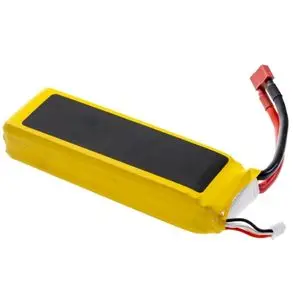 You may occasionally hear people discussing LiPo batteries alongside lithium-ion batteries. Although they’re closely related, they’re not exactly the same.
A lithium polymer, or LiPo, battery is a specialised type of lithium-ion battery that uses a polymer-based electrolyte and is commonly found in drones, radio-controlled models and some lightweight electronic devices. Most cordless garden machinery, however, uses conventional lithium-ion battery packs housed in robust protective casings, making them better suited to demanding outdoor work.
Heat affects LiPo batteries in much the same way as other lithium-ion batteries. Prolonged exposure to high temperatures accelerates battery ageing and may reduce both performance and service life. Because many LiPo batteries are supplied in lightweight pouch-style casings, they’re generally less tolerant of physical damage and should always be handled with care.
The recommended LiPo battery storage temperature is also moderate, avoiding excessive heat, direct sunlight and freezing conditions. Following the manufacturer’s guidance on LiPo storage temperature and charging practices will help maximise battery lifespan while maintaining safe operation.
 Enjoy Reliable Cordless Gardening All Summer Long
Cordless garden tools have transformed the way we care for our outdoor spaces, offering impressive levels of power, low maintenance and unbeatable convenience. Fortunately, normal British summer weather is unlikely to cause problems for a healthy lithium-ion battery.
The biggest risks arise when batteries are repeatedly exposed to excessive heat, charged before they’ve cooled naturally or stored in places where temperatures become extreme. By allowing batteries to cool after heavy use, storing them in a dry, shaded location and following the manufacturer’s charging recommendations, you’ll help ensure dependable performance season after season.
Welcome to the Home of Battery Powered Tools
 Whether you’re investing in your first cordless tool or expanding an existing battery-powered collection, Garden Machinery Direct is the UK’s premier supplier of cordless garden tools—expertly engineered by the world’s leading manufacturers.
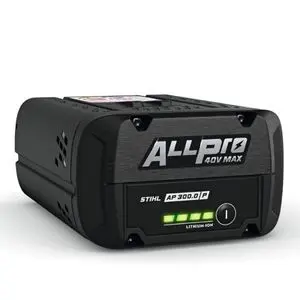
And within our battery tool accessories category, you will find lithium-ion batteries, battery chargers and practical storage boxes, all designed to help keep your equipment protected, organised and ready for your next gardening project, whatever the weather may bring.