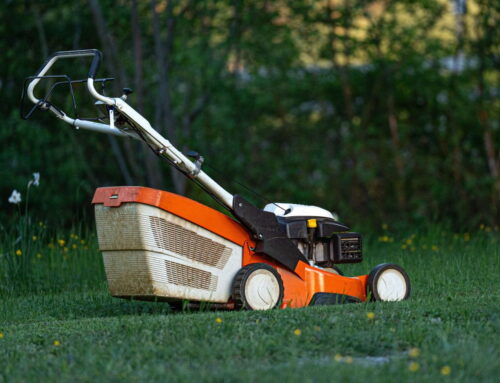

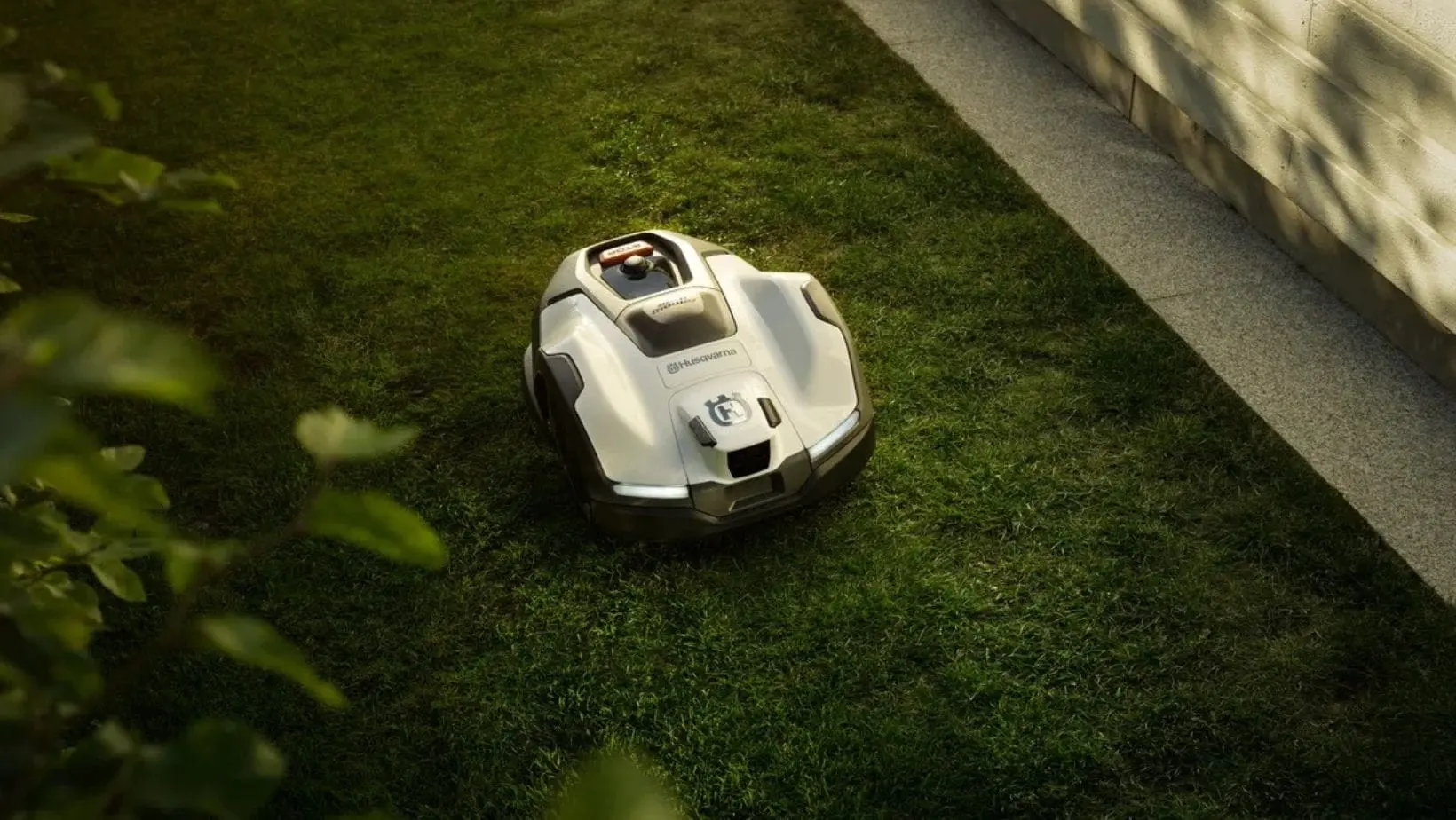
Most robotic lawnmowers should be stored indoors during winter, in a dry, frost-free location. Before storage, clean the machine, inspect its key components and charge the battery according to the manufacturer's instructions. Charging stations can usually be brought indoors too, while boundary wires remain installed. Different robot mowers may have specific winter storage requirements, so always check your handbook.
Should You Bring Your Robotic Lawnmower Indoors for Winter?
As autumn gives way to winter, it’s time to think about protecting your garden machinery from colder weather. While robotic lawnmowers are designed to operate outdoors, they still need some attention when the mowing season comes to an end. Knowing how to prepare your lawn robot for winter can help protect its battery, prevent unnecessary wear and ensure it’s ready to return to work in spring.
But should you bring a robotic lawnmower indoors for winter? When should you stop it mowing, and what should you do with the charging station, boundary wires and other components? Does a robotic mower need cleaning before storage, and are there any special precautions for reference stations?
In this guide, we explain how to prepare your robotic lawnmower for the colder months. Whether you own a Husqvarna Automower®, a Segway robotic mower or another model, these practical tips will help you look after your investment and prepare for the next mowing season.
Should You Bring Your Robot Mower Indoors for Winter?
 In most cases, yes. Bringing your robotic lawnmower indoors during winter is the best way to protect it from prolonged exposure to frost, snow and damp conditions. Although these machines are designed for outdoor use, their batteries and electronic components still need suitable storage conditions when they are not being used.
A dry, frost-free garage, shed or workshop is usually ideal. Storing your mower indoors helps protect its sensitive components and reduces the risk of moisture-related problems. It also keeps the machine away from falling branches, garden debris and accidental damage during the winter months.
Before putting your mower away, check the manufacturer’s storage instructions. Different models have different battery requirements, recommended storage temperatures and charging procedures. Some may need periodic charging during winter, while others can remain safely stored once prepared correctly.
For example, when arranging Husqvarna Automower winter storage, Husqvarna provides model-specific guidance covering battery charging, storage and preparation for the following season. Following these instructions will help avoid problems when you restart the mower the following spring.
When Should You Stop Mowing for Winter?
 Knowing when to stop using your robotic lawnmower is just as important as preparing it for storage. However, there is no universal date when the mowing season should end. The right time depends on local weather, grass growth and the condition of your lawn.
Grass growth slows considerably as temperatures fall during autumn. Once they regularly drop below around 10°C, growth becomes very limited. In many parts of the UK, this means late October or early November is a suitable time to retire your robotic mower until spring.
Keep an eye on the weather forecast as winter approaches. Avoid allowing your robot mower to operate when the lawn is covered in frost, frozen or waterlogged. Cutting grass in these conditions can damage the turf, leaving it more vulnerable to disease and poor growth.
Before storing your machine, allow it to complete its final cut of the season. Avoid setting the cutting height too low, as slightly longer grass provides better protection against cold weather. Husqvarna, for example, recommends leaving grass approximately 6–8 cm long before winter.
Once grass growth has stopped and colder conditions become established, switch off your robotic mower and prepare it for storage.
How to Clean Your Robotic Lawnmower Before Storage
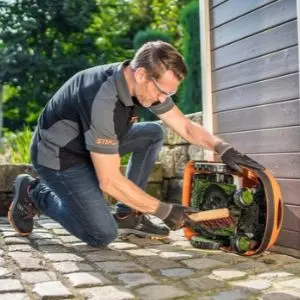 Cleaning your robotic mower is an important part of its winter maintenance routine. Grass clippings, mud and other debris can accumulate around the cutting deck, wheels and moving parts. Leaving this material in place for several months can contribute to corrosion and mechanical problems.
Start by switching off the mower and following the manufacturer’s instructions for cleaning. Use a robot mower cleaning and maintenance kit to remove dirt from the body and underside. Pay particular attention to the blade disc, wheels and areas where grass clippings tend to collect.
Avoid using a pressure washer or directing running water at the machine. Even weather-resistant robotic mowers contain sensitive electrical components that can be damaged by unsuitable cleaning methods. Harsh detergents should also be avoided.
With the machine clean, inspect its cutting blades and replace any that are worn or damaged. It’s also worth checking the blade screws, wheel bearings and other exposed components for signs of wear.
Check the charging contacts for dirt or corrosion too. These small metal connections are essential for maintaining a reliable charging connection when the auto mower returns to its docking station.
If you discover damaged or worn components, arrange any necessary repairs before putting the machine away. Alternatively, ask your local dealer to carry out a winter service. This provides an opportunity to inspect the battery, electronics, software and mechanical parts.
How to Store a Robot Mower for Winter
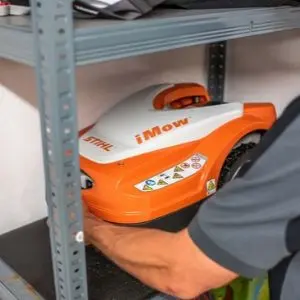 Once your machine has been cleaned and checked, it’s time to think about robot lawn mower winter storage. Here are the key steps to follow.
Firstly, charge the battery according to the manufacturer’s instructions. Many models should be fully charged before winter storage, although requirements vary between manufacturers. Some older machines may also need periodic charging during the winter months.
Once charged, switch off the auto mower completely. If your machine has a GPS tracking or GeoFence function, check whether this needs to be disabled before moving it outside its usual operating area.
Choose a dry, frost-free location for storage. A garage, shed or workshop is usually suitable, provided temperatures remain within the manufacturer’s recommended range.
Place the mower on a flat surface, resting on all four wheels. Alternatively, some manufacturers offer dedicated wall brackets that allow their machines to be stored securely off the ground. Avoid placing heavy equipment on top of the mower, as this could damage its casing or internal components.
Good battery care is particularly important during extended periods of inactivity. Lithium-ion batteries can deteriorate if stored incorrectly, so always follow the recommended charging and temperature requirements for your particular model.
What Should You Do with the Charging Station?
 The charging station also needs attention when preparing your robotic mower for winter. In many cases, manufacturers recommend bringing it indoors alongside the mower and power supply.
Before disconnecting anything, switch off the power and follow the manufacturer’s instructions. Carefully disconnect the charging station, transformer and low-voltage cable, then clean the charging contacts and remove any accumulated debris.
Store the electrical components somewhere dry and protected from frost. Check the cables and connections for signs of damage before putting them away.
Some charging stations can remain outside during winter, but this depends on the manufacturer and model. If yours cannot be removed, you may need to leave it connected to the mains supply and boundary system throughout winter. Simply disconnecting everything and leaving the station exposed may cause problems when you restart the mower.
There are also exceptions within individual product ranges. For example, Husqvarna Automower® NERA charging stations have a removable upper section, while the baseplate is designed to remain outdoors. This means you can bring the relevant components indoors without disturbing the permanent installation.
Always consult your operating instructions before dismantling the charging station or disconnecting its electrical connections.
Do You Need to Remove Boundary Wires for Winter?
No. If your robotic mower uses a conventional boundary wire system, there is generally no need to remove the wires from your lawn.
Boundary and guide wires are designed to remain installed in the ground throughout the year. Leaving them in place avoids unnecessary work and means you don’t need to reinstall the system when spring arrives.
However, if you remove the charging station, you should disconnect the wires carefully and protect their exposed connectors from moisture. Suitable waterproof connector boxes can help prevent corrosion and keep the connections in good condition until they are needed again.
How About Reference Stations?
 Wire-free robotic mowers have slightly different requirements. Some systems use a reference station or antenna to establish the mower’s position and maintain virtual boundaries.
Husqvarna EPOS® reference stations, for example, are weatherproof and can remain outdoors throughout winter. If you decide to bring one indoors, take care to preserve its original mounting position. Moving the reference station when reinstalling it may mean you have to recreate your virtual boundaries and mapped work areas.
These differences are particularly important when arranging Husqvarna robot mower winter storage, as wire-free and conventional installations have different requirements.
How to Winterise a Husqvarna Automower®
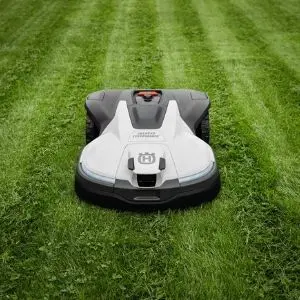 Husqvarna auto mowers are designed for regular outdoor use, but they still benefit from proper winter preparation. Following the manufacturer’s recommendations helps protect the battery and other components during extended periods of inactivity.
To winterize Husqvarna Automowers, begin by giving the machine a thorough clean. Remove grass clippings and dirt from the body, chassis and blade disc, then check the blades, screws and other wearing components.
Fully charge the battery before switching off the mower. Most current models do not require further charging during storage, although certain older machines have different requirements. Always consult your operator’s manual rather than assuming the same procedure applies to every auto mower.
Store the lawn robot indoors in a dry location above freezing temperatures. Husqvarna also recommends bringing the charging station and power supply indoors, except for the NERA baseplate.
For conventional installations, the boundary and guide wires can remain in the ground. For EPOS® installations, the reference station can remain outdoors if it is kept connected to its power supply.
Following these steps will help ensure your Husqvarna Automower® is ready for another season of reliable lawn care. If you’re unsure about any part of the process, our expert team can provide advice and arrange professional servicing.
Is a Winter Service Worth Considering?
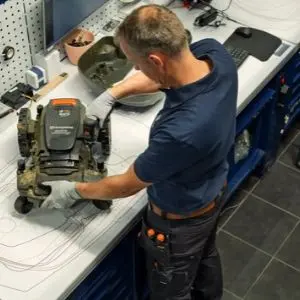 Winter is an excellent time to arrange a professional service for your robotic mower. With the machine out of use, there’s an opportunity to carry out maintenance without interrupting your lawn care routine.
As an Authorised Husqvarna Dealer, we can inspect the battery, cutting system, wheels, charging contacts and electrical components. We can also check for worn parts, install software updates where available, and test the machine’s operation.
This is particularly useful for older robotic mowers or machines that have completed several demanding mowing seasons. Identifying potential problems before spring can help prevent unexpected breakdowns when grass growth starts again.
For more information on servicing for robotic mowers, please get in touch with our Service Team.
Get Your Robotic Lawnmower Ready for Spring
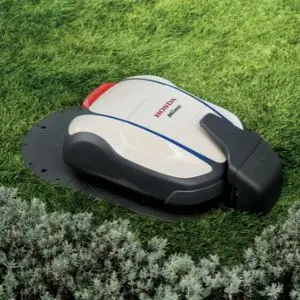 Putting your robotic mower away correctly makes restarting it much easier when warmer weather returns. Before the new mowing season begins, check the machine for any signs of damage that may have occurred during storage.
Reconnect the charging station and power supply, taking care to follow the original installation instructions. Check that the boundary wires, guide wires or virtual boundaries are working correctly before allowing the mower to operate.
Give the charging contacts another inspection and make sure the blades are in good condition. It’s also worth checking the mowing schedule, date and time settings, as these may need updating.
Once everything is ready, allow the robot mower to complete a test run. This gives you an opportunity to check that it can navigate the lawn, return to its charging station and operate as expected.
A little preparation at either end of winter will help keep your robotic mower in good working order and make lawn maintenance easier throughout the year.
Explore Robotic Lawnmowers at GMD
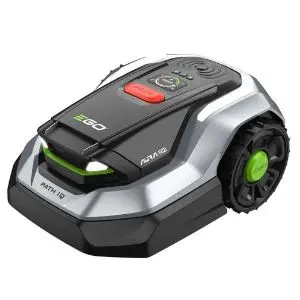 Preparing your robotic mower for winter is an important part of protecting your investment. By stopping at the right time, cleaning the machine and following the correct storage procedures, you can help preserve its condition and extend its lifespan.
Whether you’re considering your first robotic mower or looking to upgrade an existing machine, Garden Machinery Direct is here to help. As the UK’s leading online retailer of robotic mowers and robot mower accessories, we offer a comprehensive range of models from EGO, Honda, Husqvarna, Segway, STIGA and STIHL.
Explore our range of robotic lawnmowers and robot mower accessories today to discover a convenient way to keep your lawn looking its best.