

Clearing leaves from a gravel driveway requires the right technique to avoid scattering stones. Use a variable-speed leaf blower at a shallow angle, keep the nozzle at a suitable distance and work in short, controlled passes. Dry leaves are easier to remove than wet ones, while a flexible rake offers a gentler alternative. Garden vacuums require caution, as loose stones may damage their mechanisms.
How to Clear Leaves from a Gravel Driveway Safely
Autumn leaves might look attractive when they first fall, but they soon become a nuisance on gravel driveways. As the leaves accumulate, they make the surface look untidy, trap moisture and gradually break down into organic matter between the stones. Unfortunately, removing them isn’t always straightforward. A powerful leaf blower might shift the foliage quickly, but it could also send loose gravel flying across your garden.
The good news is that clearing leaves from gravel doesn’t have to be difficult. With the right equipment and a few simple techniques, it’s possible to remove unwanted foliage while keeping your driveway intact.
In this guide, we’ll explain how to clear leaves from gravel without blowing stones everywhere. We’ll cover the best techniques, suitable equipment and two popular machines from Husqvarna and STIHL.
Why Is Removing Leaves from Gravel So Difficult?
 Leaf clearance on gravel is more challenging than on tarmac or paving, particularly when using powered garden equipment.
A leaf blower directs a concentrated stream of air towards the ground. Although this moves foliage effectively, it may also disturb smaller stones if the airflow is too strong.
Wet leaves present another problem. They often stick to gravel or become trapped between individual stones, making them harder to remove. As they decompose, they contribute to the build-up of organic matter that encourages weeds to establish.
Regular maintenance is therefore important. Removing leaves before they become compacted helps preserve the driveway’s appearance and makes future cleaning easier.
What’s the Best Way to Remove Leaves from Gravel?
For most gravel driveways, a variable-speed leaf blower is one of the most effective options. It allows you to move foliage without physically disturbing the surface, provided the airflow is carefully controlled.
However, the best approach depends on the size of your driveway, the type of gravel and the condition of the leaves.
Larger, heavier stones generally remain in place more easily than fine decorative chippings. Dry leaves are also easier to shift than wet foliage, which often requires more concentrated airflow.
If you’re wondering how to clear leaves from gravel without damaging the surface, start with the gentlest practical method. Increase the effort only where necessary.
How to Use a Leaf Blower on a Gravel Driveway
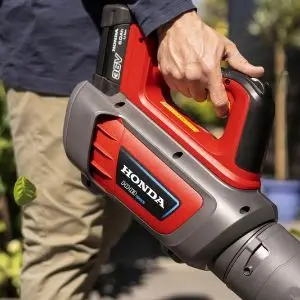 Using a leaf blower on gravel requires a slightly different technique from clearing a lawn or paved path. Rather than relying on maximum power, concentrate on controlling the direction and intensity of the airflow.
Start with a Low Blower Speed
One of the most common mistakes is operating a leaf blower at full power from the outset.
High air speeds may be useful for shifting large quantities of wet leaves, but they’re often unnecessary for clearing loose foliage from gravel.
Begin with the lowest practical speed and increase it gradually until the leaves start moving. A good machine with variable-speed control makes this easy.
In terms of finding the best leaf blower for gravel, adjustable airflow is essential. It provides the flexibility needed to tackle different conditions without applying excessive force.
Keep the Nozzle at a Shallow Angle
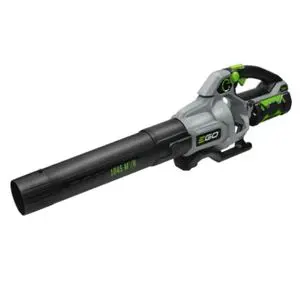 The angle of the blower nozzle makes a significant difference to how the airflow behaves.
Pointing the nozzle directly towards the ground forces air between the stones, increasing the risk of displacing them. Instead, hold it at a shallow angle so the airflow travels across the gravel’s surface.
This encourages leaves to move horizontally while reducing the amount of force directed into the stones beneath them.
Maintain a Suitable Distance from the Gravel
Holding the blower nozzle too close to the driveway concentrates the airflow over a small area.
As a starting point, try keeping the nozzle around 20–30 cm (8–12 inches) above the gravel. Adjust the distance according to the machine’s power and the size of the stones.
If gravel begins to move, raise the nozzle slightly or reduce the blower speed. There’s no single distance that suits every machine, so watch how the surface responds.
Work in Short, Controlled Passes
Rather than using long, forceful bursts, move the foliage gradually towards one side of the driveway.
Work methodically in short passes, gathering leaves into manageable piles. This gives you greater control over their movement and makes collection easier.
Where possible, work with the prevailing wind rather than against it. This helps prevent leaves from blowing back across areas you’ve already cleared.
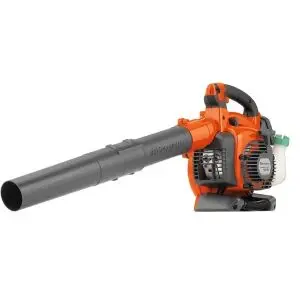 Husqvarna 125B Petrol Handheld Leaf Blower
The Husqvarna 125B Petrol Handheld Leaf Blower is a versatile option for maintaining driveways, paths and larger gardens. Powered by a 28 cm³ petrol engine, it produces a maximum blowing force of 12.5 N and an air speed of up to 58.12 m/s.
Its variable-speed throttle allows users to adjust the airflow, while cruise control helps maintain a consistent setting. This makes it particularly useful when clearing leaves from gravel, where careful power management is essential.
Weighing 4.26 kg, the Husqvarna 125B features an adjustable blower tube and comes with round and flat nozzles. These provide flexibility when tackling different leaf-clearing tasks.
Find out more about the Husqvarna 125B Petrol Handheld Leaf Blower here.
Can You Use a Garden Vacuum on Gravel?
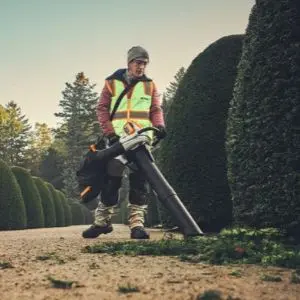 A garden vacuum might seem like the obvious solution for removing leaves without blowing stones everywhere. Rather than pushing the foliage across the driveway, it collects the material directly into a bag.
However, using a leaf vacuum for gravel requires particular care.
Many garden vacuums generate enough suction to lift small stones alongside the leaves. If these enter the machine, they could damage the impeller.
This is especially important for combination blower-vacuum machines with shredding mechanisms, which chop collected leaves into smaller pieces.
Consequently, a standard garden vacuum should not be used directly over loose gravel unless the manufacturer specifically approves this application.
What’s the Best Garden Vacuum for Gravel?
When choosing the best garden vacuum for gravel, the most important consideration is whether the machine is designed to handle this type of surface.
Adjustable suction may be helpful, but it doesn’t guarantee that stones will remain on the ground. Even a carefully positioned vacuum nozzle might pick up loose chippings.
Specialist equipment designed to separate stones from collected debris may be more suitable for certain applications. However, these machines differ from conventional domestic garden vacuums.
If you’re trying to find the best leaf vacuum for gravel, always check the manufacturer’s operating instructions before purchasing.
Our advice for operating a leaf blower on gravel driveways is to blow the leaves off the gravel before carefully vacuuming them up from a more suitable surface.
STIHL SHA 56 Cordless Handheld Leaf Blower & Vacuum Shredder
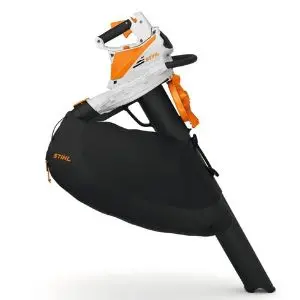 The STIHL SHA 56 Cordless Handheld Leaf Blower & Vacuum Shredder combines blowing, vacuuming and shredding functions in one versatile machine.
Part of STIHL’s 36 V AK System, it delivers 8 N of blowing force and features variable-speed control. This allows users to moderate the airflow when clearing leaves on gravel driveways and other sensitive surfaces.
The SHA 56 converts between blowing and vacuuming modes without the need for tools. Its metal shredder blade reduces collected foliage, which is deposited in a 40-litre collection bag.
Weighing 4.2 kg without its battery, this cordless vacuum shredder offers convenient garden maintenance without the fumes or maintenance demands of petrol.
Learn more about the STIHL SHA 56 Cordless Handheld Leaf Blower & Vacuum Shredder here.
Is a Leaf Rake Better Than a Blower for Gravel?
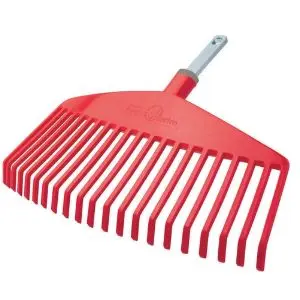 Although powered equipment is convenient, a traditional leaf rake still has its place.
A lightweight rake with flexible plastic tines, like the Wolf-Garten Multi-Change Leaf Rake, works particularly well on smaller gravel driveways. Unlike rigid metal rakes, its softer construction is less likely to dig into the surface.
Use gentle, shallow strokes to lift leaves from the top of the stones. Avoid pressing down too firmly, as this may drag gravel into the collected foliage.
Raking is especially useful around borders, parked vehicles and other areas where a blower’s airflow might scatter debris.
For larger driveways, however, manual raking becomes more time-consuming. A combination of blowing and raking often provides a more practical solution.
Should You Clear Wet Leaves from a Gravel Driveway?
Wet leaves are considerably harder to remove than dry ones. Moisture makes them heavier and encourages them to stick to stones, particularly when they become trapped in gaps.
Trying to shift saturated leaves with a blower may require more power, increasing the risk of disturbing the gravel.
Where possible, wait until the foliage has dried before starting work. Dry leaves generally respond better to gentle airflow and are easier to gather into piles.
However, don’t leave thick layers of wet leaves on your driveway indefinitely. Prolonged moisture and decomposing vegetation may encourage moss, weeds and other unwanted growth.
If immediate clearance is necessary, carefully remove larger accumulations with a flexible rake. You can then use a blower to clear the remaining loose material once conditions improve.
Does the Type of Gravel Affect Leaf Clearance?
Not all gravel driveways behave in the same way.
Larger stones tend to resist airflow better than smaller decorative chippings. Their greater weight makes them less likely to move when a blower is used correctly.
Fine gravel requires more delicate handling. Even moderate airflow may scatter lightweight stones, especially where the surface is loose or uneven.
The shape of the stones also matters. Angular gravel often interlocks more effectively than rounded pebbles, which may roll or shift more readily.
For a driveway covered with fine decorative gravel, a flexible leaf rake may be preferable to a powerful blower.
Whatever the surface, test your chosen method on a small area before tackling the entire driveway.
How Often Should You Remove Leaves from Gravel?
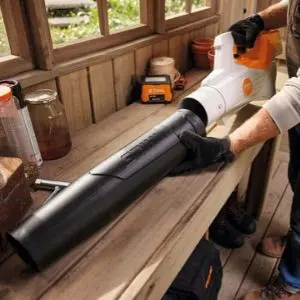 Regular clearance is generally easier than waiting until the driveway is covered by a thick layer of foliage.
During autumn, inspect your driveway frequently, particularly after windy weather or periods of heavy leaf fall.
Removing small quantities of dry leaves usually requires less effort and lower blower speeds. It also reduces the likelihood of foliage becoming trapped beneath fresh layers.
Pay particular attention to areas beneath overhanging trees, along driveway edges and around drainage channels.
Keeping these types of area clear helps prevent organic debris from accumulating and makes the driveway easier to maintain throughout the year.
Choosing Between Petrol and Cordless Leaf Blowers
Both petrol and cordless leaf blowers offer advantages, although their suitability depends on the size of your driveway and the work involved.
Petrol blowers are popular for larger gardens and demanding clearance tasks. They provide powerful performance and allow extended operation with suitable refuelling.
Cordless blowers offer convenient starting, lower routine maintenance and no emissions during operation. They’re particularly appealing for domestic gardeners where ease of use is important.
For gravel surfaces, however, the power source is less important than the ability to regulate airflow.
When comparing machines, consider their speed controls, weight, handling and available nozzle options rather than focusing solely on maximum air speed.
Keep Your Gravel Driveway Looking Its Best
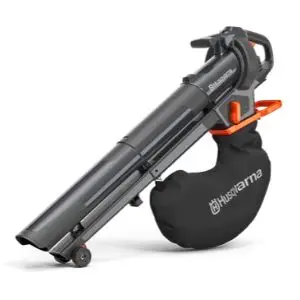 With the right approach, removing leaves from gravel needn’t be a frustrating autumn chore. A suitable leaf blower, careful handling and regular maintenance will help keep your driveway tidy without disturbing its surface.
At Garden Machinery Direct, we stock a superb range of leaf blowers and garden vacuums, including cordless and petrol models from the industry’s leading brands. We also sell a number of useful accessories to increase your garden blower’s capabilities and keep it performing at its best. Whether you’re maintaining a small domestic driveway or tackling extensive autumn leaf fall, you’ll find high-quality equipment to suit your needs.
Explore our collection of leaf blowers and garden vacuums today and discover a simpler way to keep your outdoor spaces clean, tidy and ready for every season.