
Mowing slightly damp grass is possible, but cutting a wet lawn can create safety risks, damage the turf, and strain your lawnmower. Saturated soil is vulnerable to compaction, while wet clippings can cause uneven cutting and blockages. If persistent rain makes mowing unavoidable, wait for firmer ground, raise the cutting height, mow slowly, and collect excess clippings. During autumn, a flexible mowing schedule is especially important.
Can You Mow Wet Grass?
The Risks Involved and What to Do When It Won’t Stop Raining
Keeping your lawn tidy isn’t always easy when the weather refuses to cooperate. After several days of rain, the grass may be growing quickly, but finding a suitable opportunity to mow it can prove difficult. Should you wait for better conditions or get the lawn mower out anyway?
So, can you cut wet grass safely, and could doing so damage your lawn or mower? The answer depends on how damp the grass is, the condition of the soil, and the equipment you’re using. Although cutting slightly damp grass is possible, mowing a saturated lawn can cause more problems than it solves.
In this guide, we’ll explain the risks of mowing wet grass, how moisture affects different types of mower, and what to do when persistent rainfall disrupts your usual lawn care routine.
Can You Cut Grass When It Is Wet?
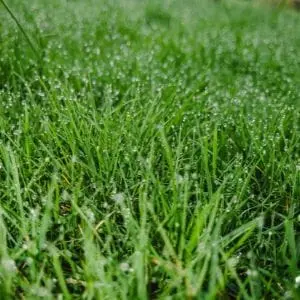 Yes, grass can be cut when wet, but that doesn’t necessarily make it advisable. There’s an important difference between a lawn that’s slightly damp from morning dew and one that’s thoroughly soaked after heavy rainfall.
If the grass is only mildly damp and the ground remains firm, mowing may be possible with suitable equipment. However, when the soil is saturated, the risks to your mower, lawn and personal safety increase considerably.
Wet grass tends to bend rather than stand upright, making it harder for mower blades to achieve a consistent finish. Damp clippings also stick together, potentially causing problems with collection and discharge.
The condition of the soil is equally important. Waterlogged ground can be damaged by mower wheels and foot traffic.
In a nutshell, if you’re wondering whether you can mow a wet lawn, the most important consideration isn’t simply whether moisture is present. It’s whether the lawn and your equipment can cope with the conditions without suffering damage.
Can You Mow a Wet Lawn Safely?
Safety should always take priority over achieving a perfectly tidy lawn. Mowing in wet grass introduces hazards that are less likely to occur during dry conditions.
One of the biggest concerns is reduced traction. Wet grass becomes slippery, increasing the likelihood of losing your footing when operating a pedestrian mower. This is particularly dangerous on sloping or uneven ground, where maintaining control can be difficult.
 Ride-on mowers present additional concerns. Their weight, combined with reduced tyre grip, can make steering and braking less predictable. Attempting to mow a wet slope could cause the machine to slide or lose stability.
Electrical safety is another important consideration. Mains-powered electric lawn mowers should not be used in wet conditions unless the manufacturer specifically permits it. Moisture entering electrical components can create a risk of electric shock or equipment damage.
Cordless lawn mowers eliminate trailing power cables, but they aren’t automatically waterproof. Their suitability for damp conditions depends on the manufacturer’s guidance and the machine’s water-resistance rating.
Petrol mowers avoid the electrical supply concerns associated with mains-powered machines. Nevertheless, slippery ground, reduced traction, and blocked cutting decks can still make mowing hazardous.
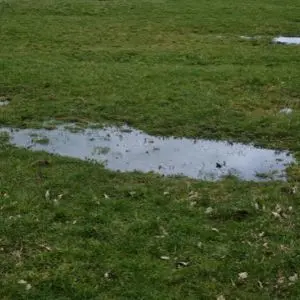
Never attempt to mow lawns with standing water, saturated slopes, or during thunderstorms. If conditions make it difficult to maintain secure footing and full control of the mower, postpone the job.
What Damage Can Cutting Wet Grass Cause to Your Lawn?
Even when mowing is technically possible, the effects on your lawn may make waiting the better option.
Soil Compaction and Damage from Wheels
Wet soil is particularly vulnerable to compaction. As mower wheels pass over saturated ground, they compress the soil and reduce the spaces through which air and water move. This can restrict healthy root development and make drainage problems worse.
Heavy ride-on mowers can cause more pronounced damage, especially when turning or repeatedly travelling over the same areas. On very soft ground, their tyres may leave visible ruts that remain long after the lawn has dried.
An Uneven, Untidy Finish
When grass is dry, its blades generally stand upright, allowing the mower to cut them consistently.
Moisture changes this behaviour. Wet grass can bend beneath the mower, causing some blades to escape cutting while others are shortened. The result may be an uneven finish, with longer patches remaining across the lawn.
Attempting to correct the problem with repeated passes may place additional pressure on the damp soil.
 Clumped Clippings and Lawn Disease
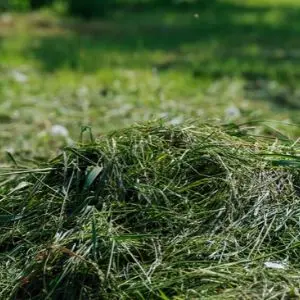
Another problem with mowing wet grass is the way the clippings behave. Rather than dispersing evenly, damp clippings tend to stick together.
If you mow lawn when wet, the clippings may form thick deposits on the lawn, preventing light and air from reaching the grass beneath. If left in place, these clumps can smother healthy growth and contribute to yellow or weakened patches.
Prolonged moisture also creates favourable conditions for certain fungal diseases. Although mowing wet grass doesn’t automatically cause disease, leaving heavy deposits of damp material can make existing problems worse.
Can Grass Be Cut When Wet Without Damaging My Mower?
Your lawn isn’t the only thing that can suffer when conditions are excessively damp. Mowing wet grass can also affect your lawnmower’s performance, efficiency, and long-term condition.
Blocked Cutting Decks and Grass Collectors
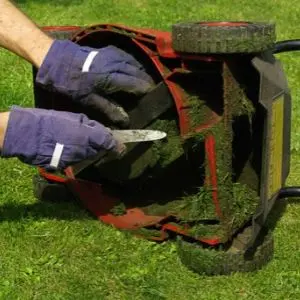 Wet grass is heavier and stickier than dry material. As the mower cuts, damp clippings can accumulate beneath the deck instead of being discharged efficiently.
This build-up may restrict airflow, obstruct the discharge chute, and reduce collection performance. Grass collectors can also become blocked, requiring more frequent emptying.
Mulching mowers may struggle too. Their performance depends on repeatedly cutting clippings into fine pieces and distributing them across the lawn. Excessive moisture makes this process more difficult, increasing the likelihood of clumping.
Greater Strain on the Engine or Motor
A clogged cutting deck creates additional resistance around the mower blade. Cutting long, wet grass can therefore demand more power than mowing the same lawn in dry conditions.
Petrol engines may labour or stall when faced with excessive resistance. Cordless machines can experience increased energy consumption, shortening the amount of work completed on each battery charge.
Some battery-powered mowers also feature electronic protection systems that may reduce power or stop the motor under excessive load.
Moisture, Corrosion, and Maintenance
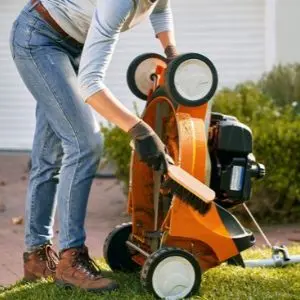 Leaving wet grass inside a lawnmower after use can encourage corrosion, particularly around exposed metal components.
If you decide to mow in damp conditions, clean the machine afterwards according to the manufacturer’s instructions. Always switch it off and isolate the power source before carrying out maintenance.
Allow the mower to dry thoroughly before storing it in a suitable, sheltered location.
Should You Mow a Wet Lawn if the Weather Stays Damp?
During prolonged periods of unsettled weather, waiting for completely dry conditions isn’t always practical. Grass may continue growing while opportunities for mowing remain limited.
If your lawn needs attention, a few simple adjustments can help reduce the risks associated with cutting damp grass.
Choose the Best Available Mowing Window
A short break in the rain doesn’t necessarily mean the lawn is ready to cut. However, several hours of dry weather may allow surface moisture to evaporate sufficiently for careful mowing.
Late morning or afternoon is preferable to early morning, when dew is still present.
Pay attention to the condition of the ground rather than relying solely on the weather forecast. If your shoes sink into the soil, leave deep impressions, or bring mud to the surface, give the lawn more time.
Raise the Cutting Height
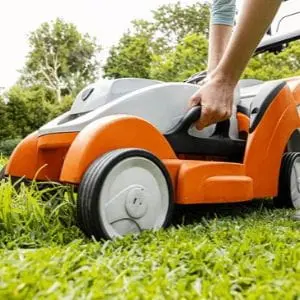 When grass has grown longer than usual, it’s tempting to cut it straight back to its normal height. However, removing too much growth in one session can stress the lawn.
Instead, raise the mower’s cutting height and aim to remove no more than one-third of the grass blade.
A higher setting can also help reduce the amount of wet material passing through the cutting deck.
Once conditions improve, you can gradually lower the cutting height over subsequent mowing sessions.
Reduce Your Mowing Speed
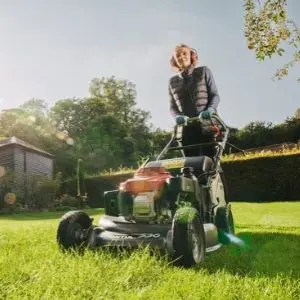 If the lawn is only slightly damp and mowing is safe, work at a slower pace than usual.
This gives the cutting system more time to process the grass and helps reduce the likelihood of clogging.
Avoid rushing through areas of particularly thick growth. If the mower begins to struggle, stop and assess the conditions rather than forcing it to continue.
Manage Wet Grass Clippings Carefully
If you cut lawn when wet, collecting the clippings can help prevent thick deposits from forming across it.
Empty the collector regularly to maintain airflow and avoid unnecessary weight.
Also, check the lawn afterwards and remove any substantial clumps that could smother the grass.
Can I Mow a Wet Lawn or Should I Wait Until It Dries?
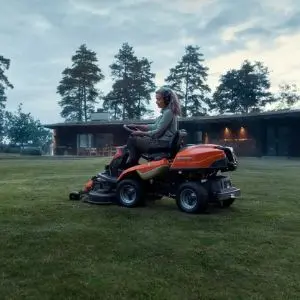 So, can you cut grass wet? Yes, under certain conditions, but it’s rarely the ideal time to mow your lawn.
Slightly damp grass may be manageable with suitable equipment and careful mowing. However, saturated ground, slippery conditions, and heavy wet clippings can create unnecessary risks for your lawn, mower, and personal safety.
When the weather remains unsettled, choosing a suitable mowing window, adjusting your cutting height, and allowing the soil to recover will help protect your lawn.
A temporary period of extra growth is far preferable to your lawn suffering the effects of severe soil compaction, wheel ruts, or damaged turf.
There’s no need to maintain exactly the same mowing schedule throughout the year. Grass growth, soil moisture, and weather conditions should all influence how frequently you cut.
A Special Note on Autumn Lawn Care
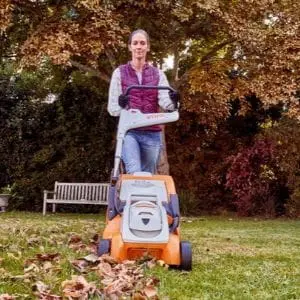 Questions about mowing the lawn wet become particularly relevant during autumn.
Shorter days, cooler temperatures, and more frequent rainfall mean lawns often remain damp for longer. Morning dew may persist well into the day, while saturated soil takes longer to recover after heavy showers.
Effective autumn lawn care therefore requires a more flexible approach to mowing.
As grass growth slows, you can usually reduce mowing frequency. However, lawns may continue growing during mild autumn weather, so occasional cutting can still be beneficial.
When conditions allow, keep the grass at a sensible height rather than cutting it excessively short.
Another important part of lawn care in the autumn is managing fallen leaves. Thick layers can trap moisture and prevent light from reaching the grass. Removing them regularly helps maintain healthier growing conditions.
It’s also worth limiting unnecessary foot traffic across waterlogged areas. Repeated walking across the lawn can compact soft soil, even without the additional weight of a lawn mower.
Keep Your Lawn Looking Its Best with GMD
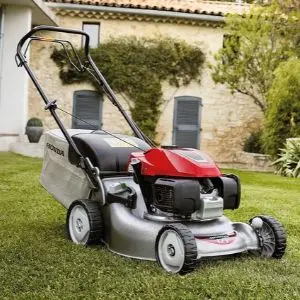 Garden Machinery Direct is the UK’s leading online retailer of lawnmowers, ride-on mowers, and associated accessories. We offer an extensive range of machines from leading manufacturers, helping domestic gardeners and professional users find equipment suited to their needs.
Whether you’re replacing an ageing mower, upgrading to a more capable machine, or looking for accessories to complement your setup, be sure to make us your first port of call.
Explore our lawnmowers, lawnmower accessories, ride-on mowers, and riding mower accessories today, and make caring for your lawn easier throughout the changing seasons.
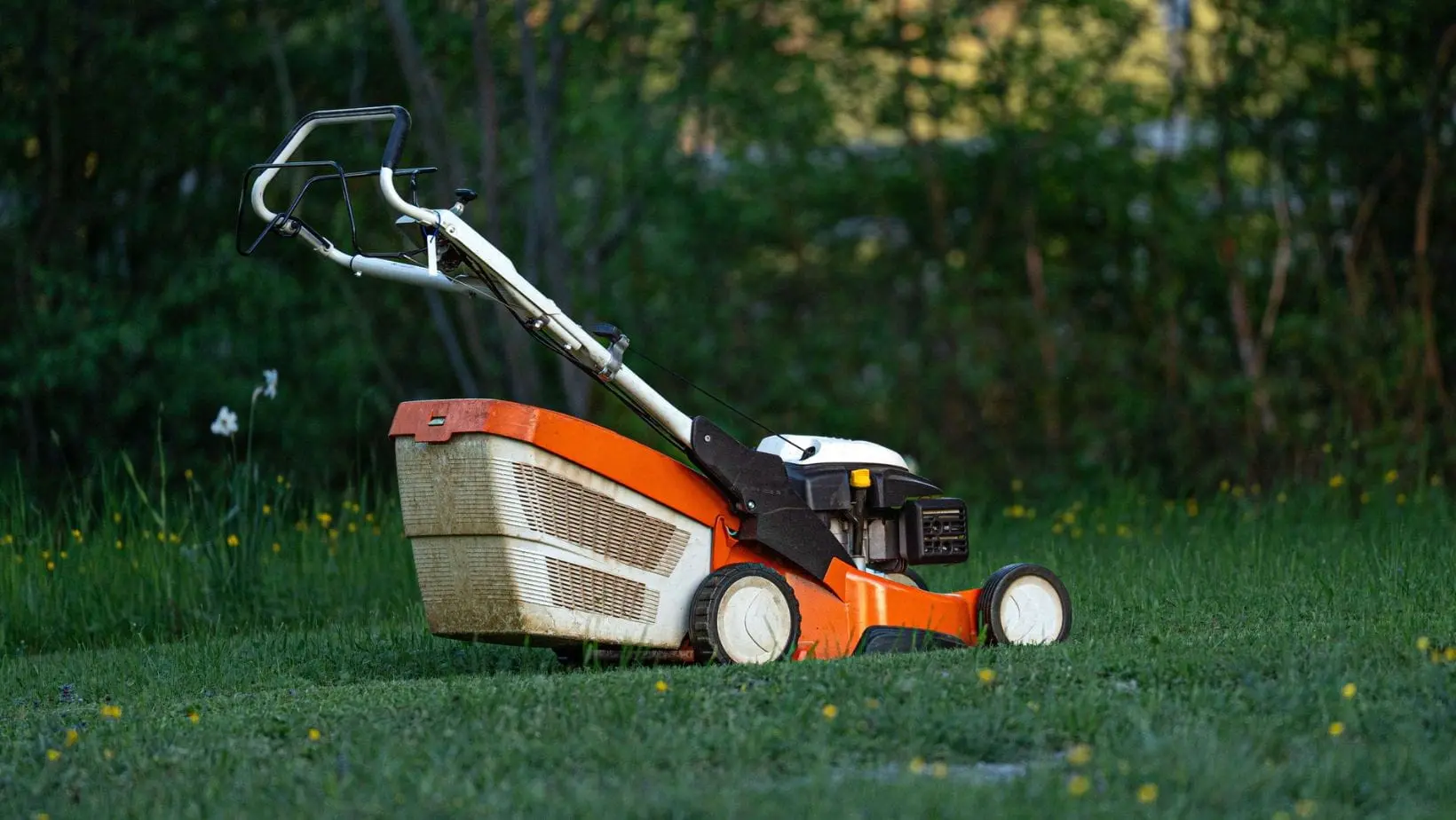
Main image courtesy of Joel Hägele on Pexels.