

Heatwaves can place extra strain on garden machinery, but a few simple precautions make a big difference. Learn when to avoid mowing, how to prevent engines from overheating, and the best ways to charge and store your batteries during prolonged hot weather.
How to Look After Garden Machinery During a Heatwave
Summer is one of the busiest times of year for gardeners, but prolonged periods of hot, dry weather call for a slightly different approach. While it’s natural to want to keep lawns neat and hedges tidy, a heatwave isn’t always the right time to tackle every gardening job.
Looking after garden machinery during extreme heat isn’t simply about protecting engines, batteries and moving parts. It’s also about recognising when your equipment actually needs to be used. Grass growth slows significantly in dry conditions, many routine tasks become less urgent, and giving both your machinery and your garden a break can often be the wisest decision.
Of course, some jobs can’t wait. Professional landscapers, groundskeepers and anyone maintaining larger properties may still need to use their equipment throughout the hottest weeks of the year. If that’s the case, taking a few simple precautions can help keep your machinery performing reliably while reducing unnecessary wear.
Why Heatwaves Put Garden Machinery Under Pressure
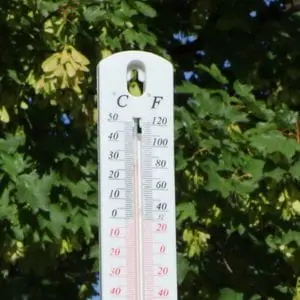 Modern garden equipment is designed to be used throughout the summer, but exceptionally high temperatures place every machine under greater strain. Engines rely on airflow to carry away heat, while lithium-ion batteries perform best within a moderate temperature range. As the surrounding air becomes hotter, cooling systems naturally become less effective.
Dry weather brings other challenges too. Dust is more easily drawn into engines and motors, and dried grass can collect around cooling vents and moving parts. At the same time, lawns often become firmer and more resistant to cutting, meaning machines have to work harder whenever they are used.
Understanding these effects is the foundation of good garden machinery maintenance, particularly during extended periods of unusually hot weather.
Start Every Job with a Quick Inspection
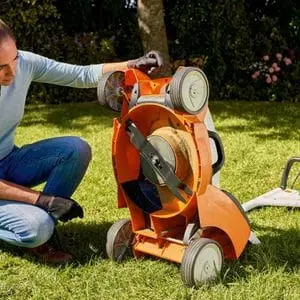 One of the easiest ways to prevent heat-related problems is to begin with a clean machine.
Before switching on your equipment, remove any dried grass, leaves or dust that has collected around ventilation openings, engine housings or cutting decks. These materials restrict airflow and trap heat, making cooling systems less effective just when they’re needed most.
If you’re using a ride-on mower or garden tractor, pay particular attention to radiator screens and air intake grilles. Even a surprisingly small amount of debris can reduce cooling performance.
Spending a few minutes on this routine garden tool maintenance helps your machinery run more efficiently and may prevent more serious problems later in the day.
Think Before You Mow
 One of the best ways to protect your garden machinery during a heatwave is sometimes not to use it at all.
When conditions are hot and dry, grass naturally slows its growth as it conserves moisture. In some cases, it may hardly grow until rainfall returns. Mowing too frequently offers little benefit and can place additional stress on both the lawn and your equipment.
Allowing the grass to remain slightly longer also helps shade the soil, reducing moisture loss and encouraging healthier recovery once cooler weather arrives.
If your lawn genuinely doesn’t need cutting, giving your mower a rest can be just as beneficial as servicing it.
If you do still need to use it, try to work during the cooler morning or evening hours. Not only will the conditions be more comfortable for you, but your equipment will also be operating in lower temperatures.
Looking After Your Lawn Mower During a Heatwave
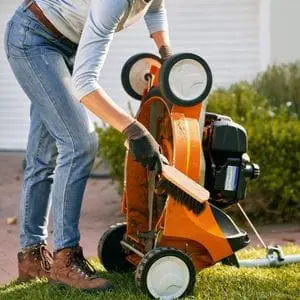 If mowing can’t be postponed, a little extra care will help your machine cope with the heat.
Good lawn mower maintenance starts with ensuring the blade is sharp and the underside of the deck is clean. A dull blade tears the grass instead of cutting it cleanly, forcing the engine or motor to work harder while producing unnecessary heat. Dry summer grass can also be surprisingly tough, increasing the workload further.
Petrol lawn mower maintenance is particularly important. Check the engine oil before every use, as it helps remove heat as well as lubricate moving parts. Inspect the air filter regularly too, because dusty conditions can quickly restrict airflow and reduce engine efficiency. Cooling fins should also remain free from grass and debris so that heat can dissipate properly.
Whatever type of lawnmower you own, avoid working continuously for long periods during extreme temperatures. If you’re mowing a larger area, stop occasionally to allow the machine to cool naturally before continuing. This simple habit can greatly reduce the risk of lawn mower overheating while helping to extend the life of the engine or motor.
Keep Batteries Cool
 Battery-powered garden machinery performs exceptionally well during summer, but lithium-ion batteries appreciate a little extra care when temperatures really soar.
One of the most common mistakes is placing a warm battery straight onto the charger after heavy use. If the battery feels hot, allow it to cool naturally in the shade before charging. Most premium battery systems include built-in temperature protection, but cooling the battery first helps reduce stress on the cells.
Equally important is where you charge it. Garages and garden sheds can become very hot during a heatwave, especially those with metal roofs. Whenever possible, charge batteries indoors in a cool, dry and well-ventilated room, keeping both the charger and battery away from direct sunlight.
Avoid trying to cool batteries quickly by placing them in a refrigerator or freezer. Sudden temperature changes can create condensation that may damage sensitive electronic components.
Store Machinery Properly Between Jobs
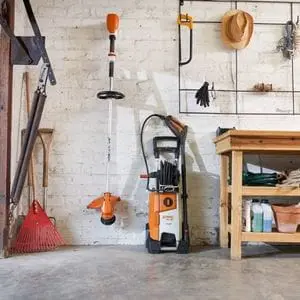 How you store your machinery can be just as important as how you use it.
Leaving equipment in direct sunshine, inside a hot vehicle or in an unventilated shed exposes batteries, plastics, seals and electronic components to unnecessary heat. If possible, keep machinery in a cool, dry location where temperatures remain relatively stable throughout the day.
For battery-powered equipment, indoor storage is usually the best option during prolonged hot weather. If your machinery must remain in a shed or garage, improving ventilation or creating shade outside the building can help reduce peak temperatures.
These simple habits protect your investment even while it isn’t being used.
Larger Machines Need Extra Attention
 Ride-on mowers, garden tractors and commercial groundcare equipment naturally generate more heat than smaller handheld machines, making cooling even more important.
If you do still need to use this type of machinery during a heatwave, inspect radiator screens, cooling grilles and air intakes before starting work. Grass fluff and dust can accumulate quickly, restricting airflow around the engine.
Keep an eye on temperature gauges throughout operation and never ignore warning lights. If an engine begins running hotter than normal, stop safely and allow it to cool before investigating the cause. Continuing to work with an overheating engine could result in costly repairs.
Don’t Overlook Your Other Garden Tools
 Heat affects virtually every type of powered garden equipment.
Chainsaws, hedge trimmers, brushcutters, blowers, pressure washers and multi-tools all benefit from being kept clean and well maintained. Sharp cutting attachments reduce strain on motors and engines because they cut efficiently instead of forcing their way through branches or dense vegetation.
If you need to carry out trimming or clearing work during a heatwave, pause occasionally to allow the machine to cool naturally, particularly during longer jobs. It’s also worth checking that ventilation slots remain free from dust and plant material, especially after working in dry conditions.
Pressure washers require slightly different care. Never allow the pump to run dry or leave the machine idling unnecessarily without water flowing through it, as excessive heat can quickly damage internal components.
Take Extra Care with Petrol
 Hot weather makes safe fuel handling even more important.
Store petrol only in approved containers and keep them somewhere cool, dry and well ventilated, away from direct sunlight. Avoid leaving fuel in the boot of a car or inside a greenhouse or metal shed, where temperatures can become extremely high.
Always allow petrol-powered machinery to cool before refuelling, and avoid filling the tank completely to the top. Fuel expands as temperatures rise, so leaving a small amount of space helps prevent spills.
These straightforward precautions improve both safety and reliability throughout the summer.
Protect Your Machinery by Working Smarter
 Heatwaves rarely last forever, but the damage caused by poor operating habits can.
Keeping machinery clean, checking oil levels, maintaining sharp cutting equipment and storing batteries correctly all help reduce unnecessary wear. Just as importantly, recognising when work can safely wait often benefits both your machinery and your garden. During prolonged hot, dry spells, there’s little value in mowing grass that has stopped growing or carrying out tasks that can be postponed until conditions improve.
If you do still need to use your garden machinery, plan jobs for the cooler parts of the day, avoid running machines continuously for long periods and give them time to cool naturally between demanding tasks.
By combining sensible operating habits with regular garden machinery maintenance, you’ll help your equipment remain reliable, efficient and ready for action when the weather cools down.
(Top image courtesy of Gustavo Fring on Pexels).