
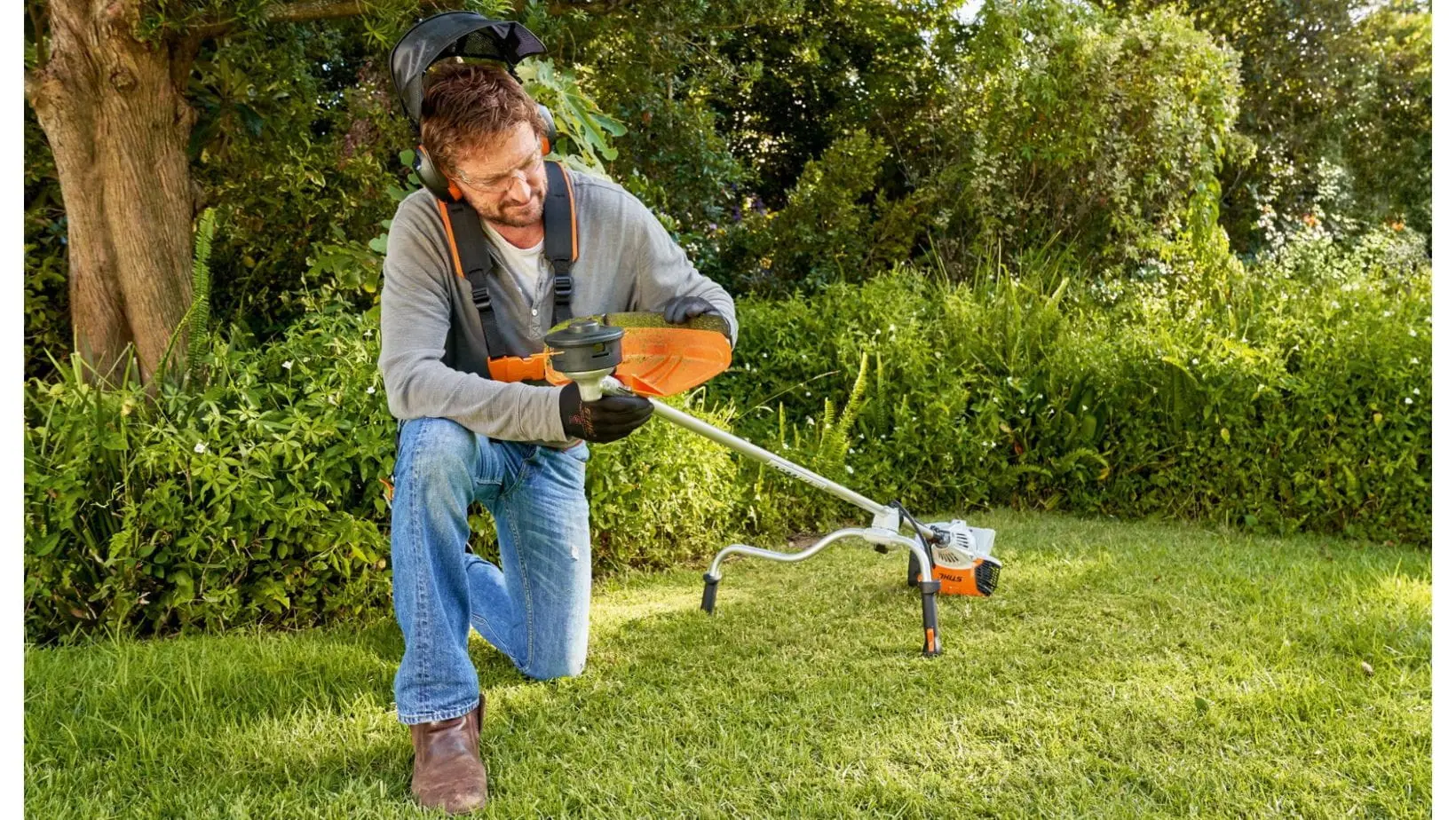
Strimmer line not feeding properly? It’s usually caused by simple issues like incorrectly wound line, loose or tangled line on the spool, wrong line thickness, or debris inside the head. This guide explains the most common causes and quick, practical fixes to get your strimmer working smoothly again.
Why Your Strimmer Line Won’t Feed (And How to Fix It)
Strimmers are designed to make light work of lawn edges, borders, and awkward patches of grass—but when the line refuses to feed, even a simple tidy-up can quickly become a frustrating stop-start job.
The good news is that most strimmer line feeding issues are common, easy to diagnose, and even easier to fix. In this guide, we’ll reveal the main reasons why your strimmer line won’t feed properly, along with practical, no-nonsense fixes to get everything running smoothly again.
Understanding How Strimmer Line Feeding Works
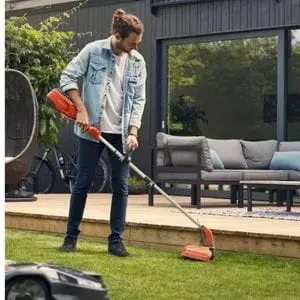 Before exploring the problems, it’s worth briefly understanding how a typical strimmer head operates.
Most modern strimmers use a bump feed system. When you lightly tap the head on the ground while the machine is running, it releases a small amount of line using centrifugal force. This keeps the line at the optimal cutting length without needing to stop.
When something interrupts that process, it’s usually due to the line, the spool, or the head itself.
Incorrectly Wound Strimmer Line
One of the most common causes of feeding issues is incorrectly wound line.
If the line is tangled, overlapping, or wound in the wrong direction, it won’t release smoothly when you bump the head. Instead, it sticks or jams inside the spool.
How to Fix It
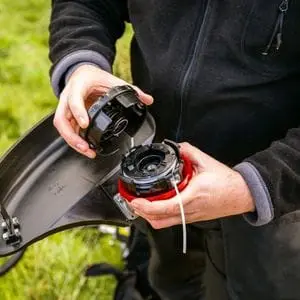 Start by removing the spool from the strimmer head. Carefully unwind the line and check for tangles or uneven sections. When rewinding, follow the directional arrows on the spool—these are there for a reason.
Keep the line neat, evenly layered, and not overly tight. Leave a short length free at each end so it can feed properly once reassembled.
Loose Line on the Spool (Needs Rewinding)
Another common issue is line that’s become loose inside the spool rather than neatly tensioned.
This often happens over time as the strimmer is used. The line can slacken, overlap, or bunch up inside the spool, which prevents it from feeding smoothly when you bump the head. Instead of releasing cleanly, it catches on itself.
How to Fix It
Remove the spool and check how the line is sitting.
If it looks loose, it’s best to rewind it properly rather than trying to adjust it in place. Unwind the line fully, then rewind it tightly and evenly in the correct direction, following the spool’s guide arrows.
Make sure the line is snug but not overly tight. A well-tensioned spool allows the line to release in a controlled, consistent way.
Using the Wrong Line Thickness
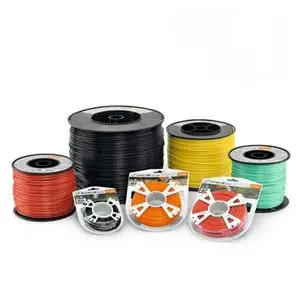 Not all strimmer line is the same, and using the wrong diameter can cause persistent problems.
If the line is too thick for your machine, it may not move freely through the spool or eyelets. If it’s too thin, it can snap easily or become tangled.
How to Fix It
Check your strimmer’s manual for the recommended line diameter. Common sizes include 1.6 mm, 2.0 mm, and 2.4 mm.
Switching to the correct size often resolves feeding issues immediately. It also improves cutting performance and reduces strain on the motor.
Line Fusing Together Inside the Spool
Heat build-up is another common culprit, especially when working in dense grass or running the strimmer at high speed for extended periods.
The friction can cause the nylon line to soften slightly and stick together inside the spool.
How to Fix It
 Remove the spool and pull the line apart gently. If sections are fused, cut them away and rewind the remaining line.
To prevent this happening again, try not to run the strimmer continuously at full throttle in heavy conditions. Taking short pauses can help keep temperatures down and improve performance.
Overfilling the Spool
It might seem logical to load as much line as possible onto the spool, but overfilling actually restricts movement and stops the line from feeding properly.
How to Fix It
Take some line off the spool so it isn’t packed too tightly. Always follow the manufacturer’s recommended line length, if it’s provided.
A slightly underfilled spool is far more reliable than one that’s crammed full.
Dirt and Debris Inside the Strimmer Head
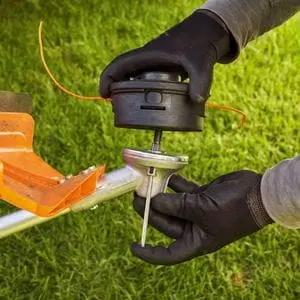 Grass clippings, dust, and general garden debris can build up inside the strimmer head over time. This restricts movement and interferes with the feeding mechanism.
How to Fix It
Open up the strimmer head and give it a thorough clean. Remove any compacted grass or dirt and wipe down the internal components.
Pay particular attention to the eyelets where the line exits, as blockages here can stop the line feeding smoothly.
Regular cleaning can make a noticeable difference to performance and reliability.
Worn or Damaged Spool Components
Strimmer heads are hard-working parts, and over time they do wear out. Grooves can develop, springs can weaken, and plastic components can become brittle.
All of this affects how well the line feeds.
How to Fix It
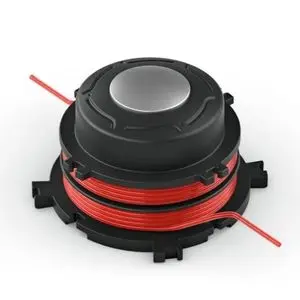 Inspect the spool and head for signs of wear or damage. Look for cracks, deep grooves, or worn eyelets.
If anything looks past its best, replacing the spool or the entire head is often the simplest solution. It’s a relatively low-cost fix that can restore performance instantly.
Faulty Bump Feed Mechanism
If tapping the head on the ground doesn’t release more line, the bump feed mechanism itself may be the issue.
This could be due to a stuck spring, internal wear, or dirt interfering with the moving parts.
How to Fix It
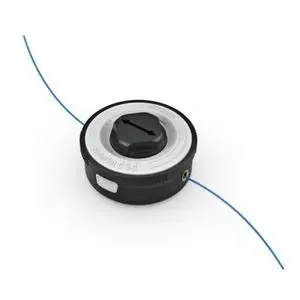
Disassemble the head and check the internal spring and moving parts. Clean everything thoroughly and reassemble.
If the mechanism still isn’t working correctly, replacing the bump feed head is usually the best course of action.
Old or Brittle Strimmer Line
Strimmer line doesn’t last forever. Over time, it can dry out, lose flexibility, and become brittle.
When this happens, it’s more likely to snap inside the spool rather than feed out properly.
 How to Fix It
Replace old line with fresh, high-quality nylon line.
For a quick improvement, you can soak the line in water for a few hours before use. This helps restore some flexibility and reduces breakages.
Low Engine Speed or Power Issues
On petrol strimmers, the line feeding system relies on centrifugal force generated by the engine.
If the engine isn’t running at sufficient speed, the line may not advance when you tap the head.
How to Fix It
Make sure you’re using enough throttle when operating the strimmer. A firm, controlled bump while the engine is running at a good speed usually does the trick.
If the engine is struggling or bogging down, it may be worth checking the air filter, fuel mix, or spark plug.
No Line Protruding from the Head
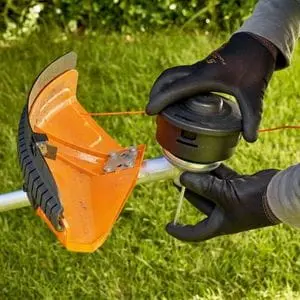 Sometimes the issue is simply that there’s no line sticking out to begin with.
Without any visible line, the bump feed system has nothing to grab and advance.
How to Fix It
Before starting, manually pull out a short length of line from the spool.
Once there’s enough line exposed, the bump feed system should work as intended.
Preventing Future Strimmer Line Problems
While most of these fixes are quick, prevention is always better than cure.
Keeping your strimmer in good condition will save time and frustration in the long run.
Regularly clean the head, use the correct line, and avoid overloading the spool. Taking an extra minute to rewind the line neatly and keep it properly tensioned will prevent many common feeding issues before they start.
Storing your line properly—away from direct sunlight and in cool, dry conditions—also helps maintain its flexibility and performance.
Investing in a high-quality strimmer line can also make a noticeable difference. Premium lines are designed to resist breakage, reduce friction, and feed more smoothly.
Upgrade Your Strimming Setup for Better Performance
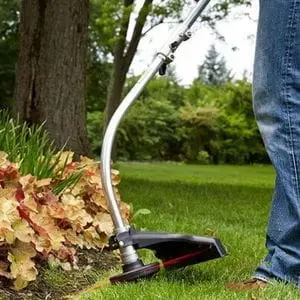 If you find yourself repeatedly dealing with feeding issues, it might be time to upgrade your strimmer head or accessories.
Modern quick-load heads and fixed-line systems are designed to minimise downtime and make reloading far easier. They’re especially useful if you’re maintaining larger gardens or using your strimmer regularly.
At Garden Machinery Direct, as well as stocking a market-leading range of brushcutters and strimmers, we sell spare strimmer line, replacement heads, and other strimmer accessories from leading brands. Each product is selected for its reliability, performance, and ease of use, so you can keep your equipment performing at its best throughout the season.
Final Thoughts
A strimmer line that won’t feed properly can quickly turn a simple job into a frustrating one. Thankfully, the causes are usually straightforward, and the fixes are quick once you know what to look for.
From incorrect winding and loose line on the spool to worn components and simple debris build-up, most issues can be resolved in minutes with a bit of care and attention.
By using the right line, maintaining your strimmer head, and keeping everything clean and properly loaded, you’ll enjoy smoother operation and more efficient trimming every time.