

Ride-on Brushcutters

Our Price: £4,999.00 (inc VAT)
Only 2 left in stock
Introducing the solo by AL-KO mower: a petrol powerhouse with a 110cm cutting width, designed for large lawns up to 9,000m². Features 3 blades, steel deck, and hydrostatic drive.

Our Price: £16,608.00 (inc VAT)
Out of stock, available to pre-order
Built for demanding jobs, the AS 940 Sherpa 4WD XL offers strong cutting performance, hydrostatic drive, and smart safety features. Its wide deck, durable engine, and comfort-focused design make it ideal for professionals.
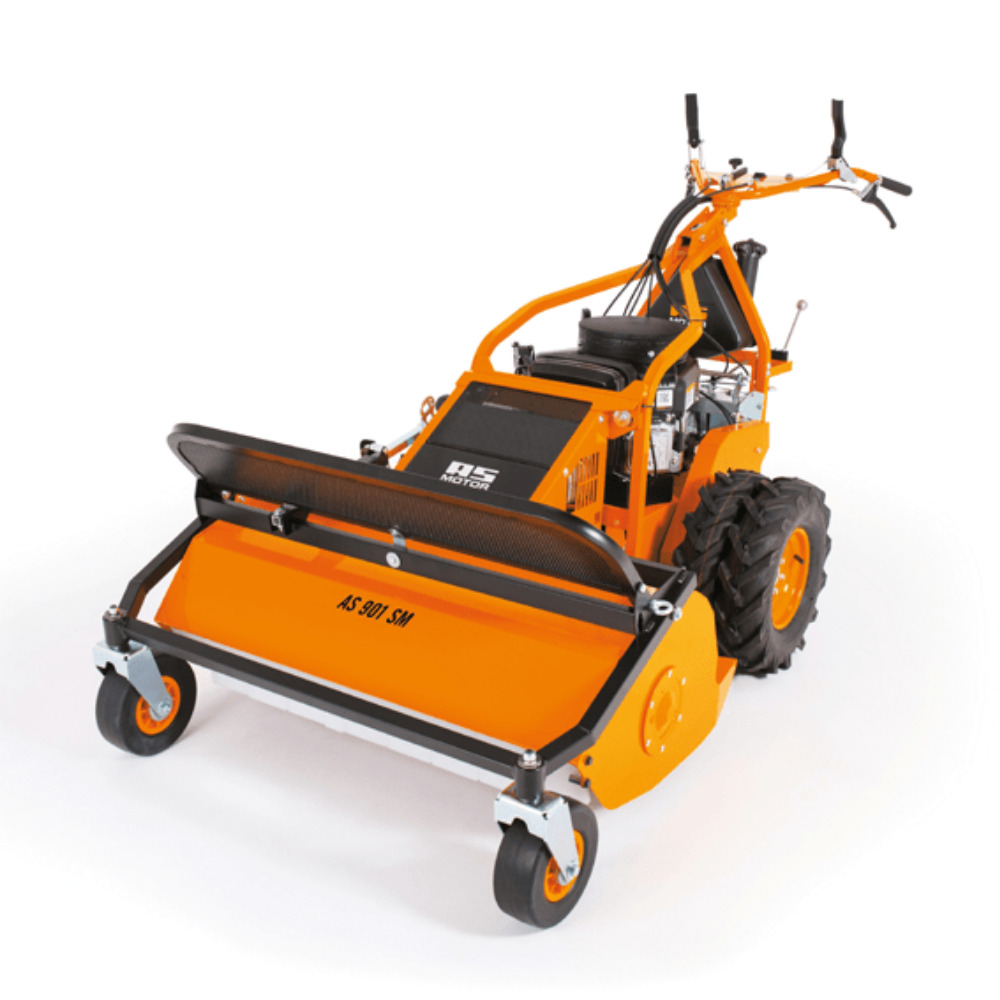
Our Price: £9,399.00 (inc VAT)
Out of stock, available to pre-order
Built for challenging terrain, the AS-Motor AS 901 SM features 26 pairs of Y-flails, a commercial V-Twin engine, and advanced traction. It provides reliable, high-capacity mowing with excellent operator comfort and safety.
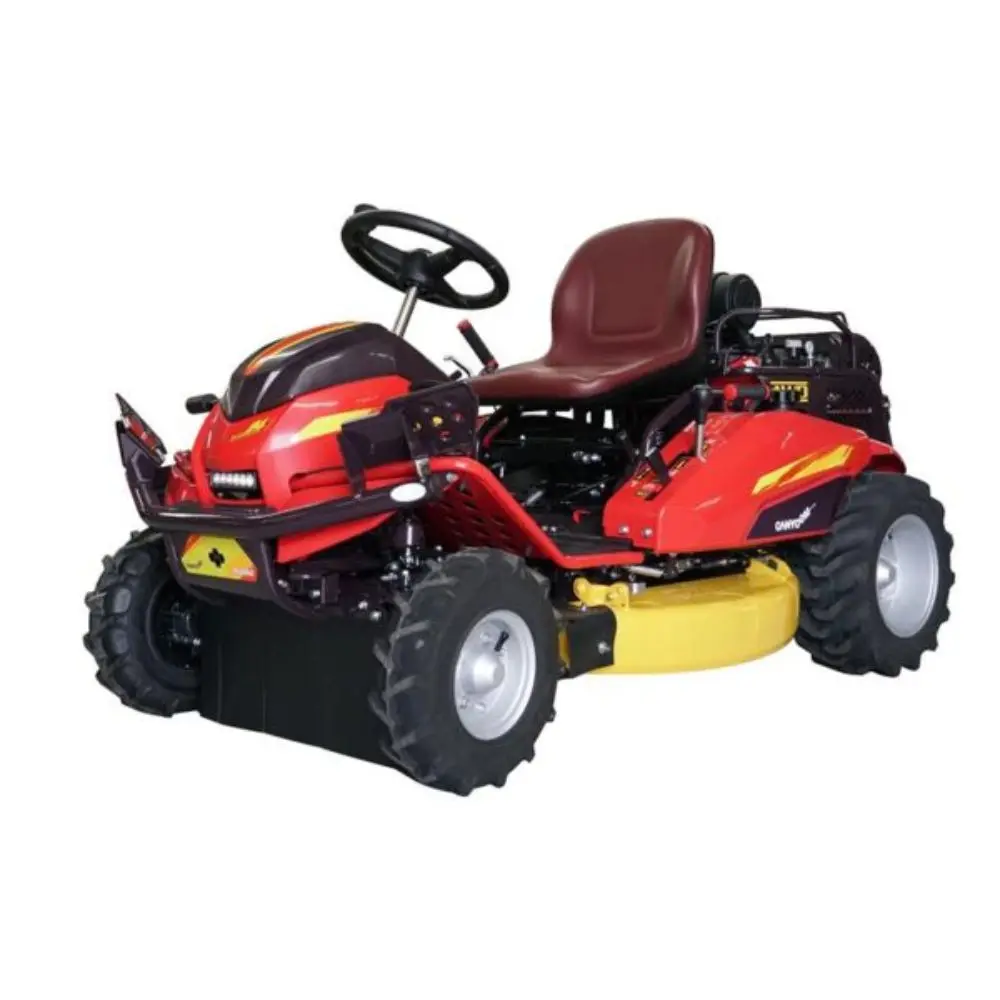
Our Price: £14,455.00 (inc VAT)
Only 1 left in stock
Designed for professional vegetation management, the Canycom CMX2408 combines a powerful Honda GX690 engine, hydrostatic transmission, and selectable 4WD. It delivers superior traction, operator comfort, and dependable performance across the toughest mowing conditions.
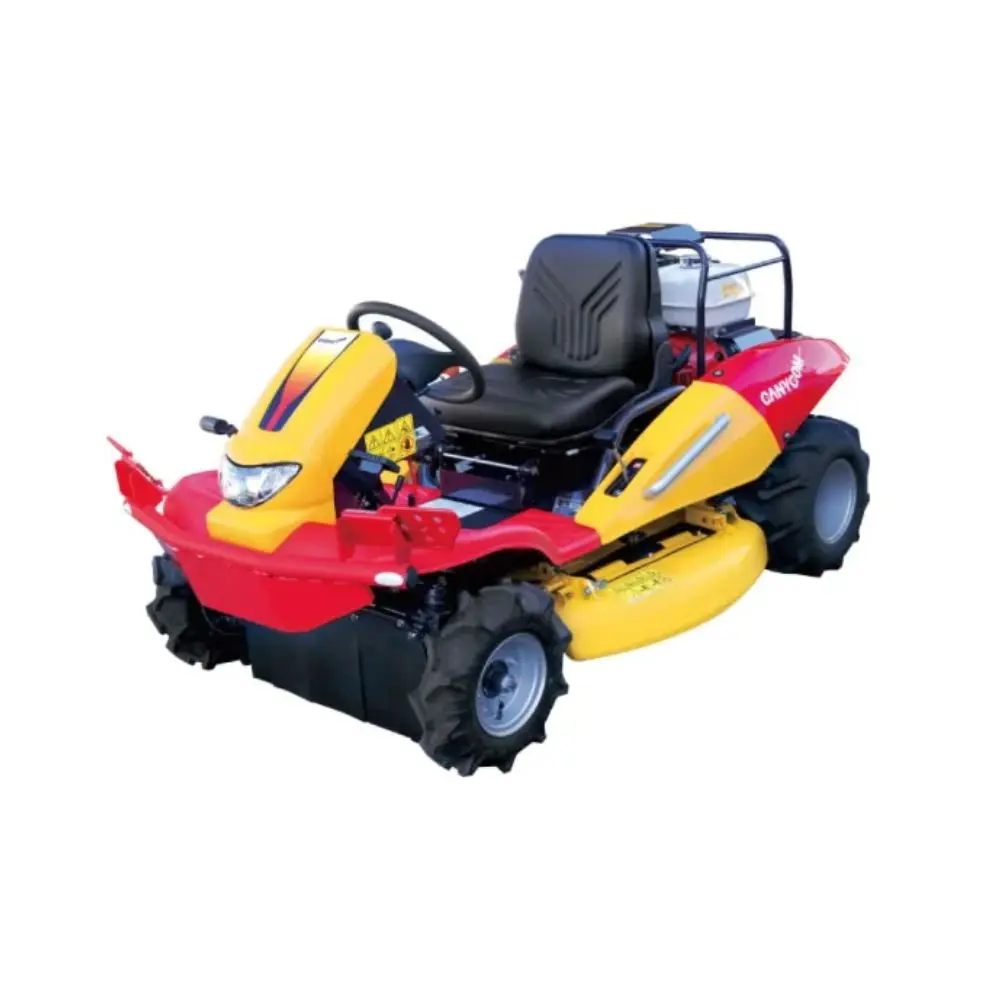
Our Price: £10,799.00 (inc VAT)
Out of stock, available to pre-order
The Canycom CMX1402 is a powerful 4WD ride-on brush cutter featuring a Honda GX390 engine, shaft drive system, and Samurai Sword blades, delivering exceptional performance on steep slopes, rough terrain, and dense vegetation.
- Sale!

Sale Price: Original price was: £16,445.50.£16,250.00Current price is: £16,250.00. (inc VAT)
1% Off
Out of stock, available to pre-order
The CANYCOM CMX2406 Ride-on Brushcutter combines a powerful Honda GX690 engine, advanced safety systems, and durable construction. Its adjustable features, electro-motorised cutting deck, and slope warning system make it perfect for demanding professional mowing tasks.
- Sale!
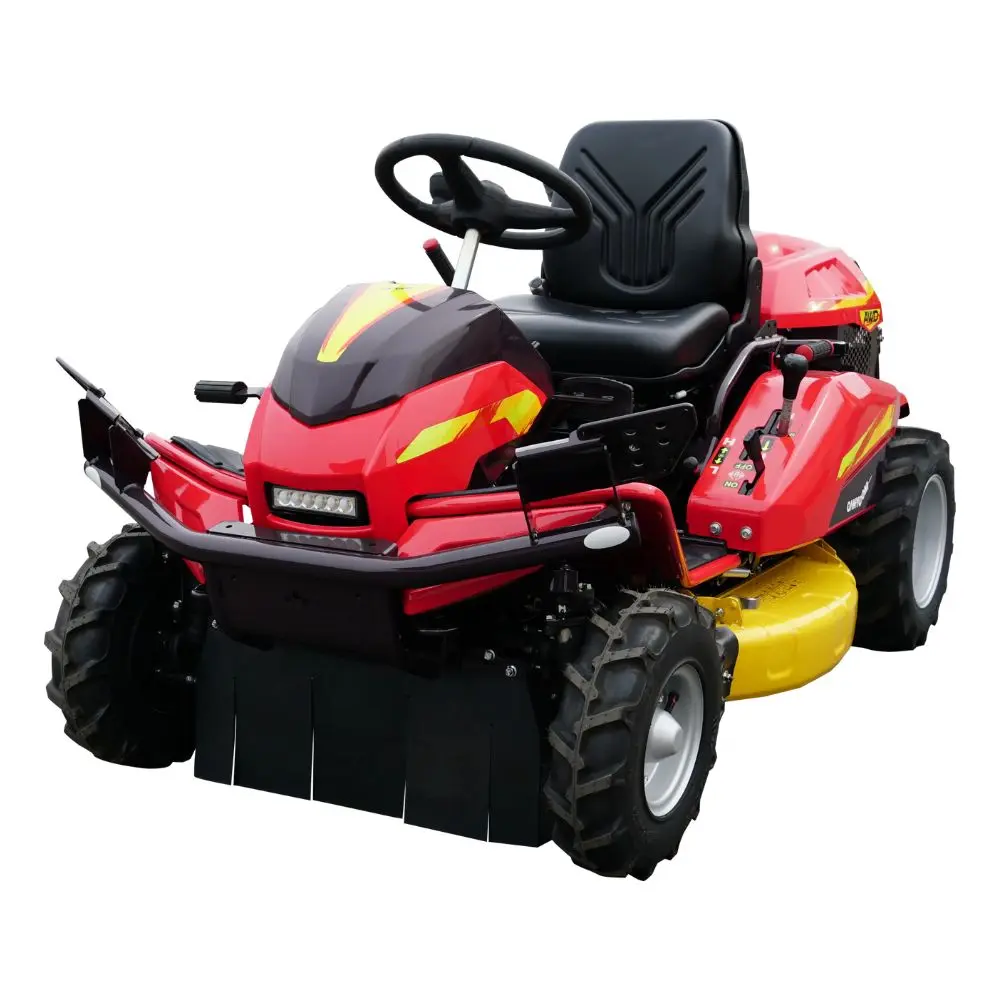
Sale Price: Original price was: £12,599.00.£12,170.00Current price is: £12,170.00. (inc VAT)
3% Off
Only 1 left in stock
Tackle the toughest terrain with the Canycom CMX1810. This powerful 4WD ride-on brushcutter handles steep slopes, thick brush, and uneven ground with ease, built for professionals who demand performance, comfort, and all-terrain reliability.
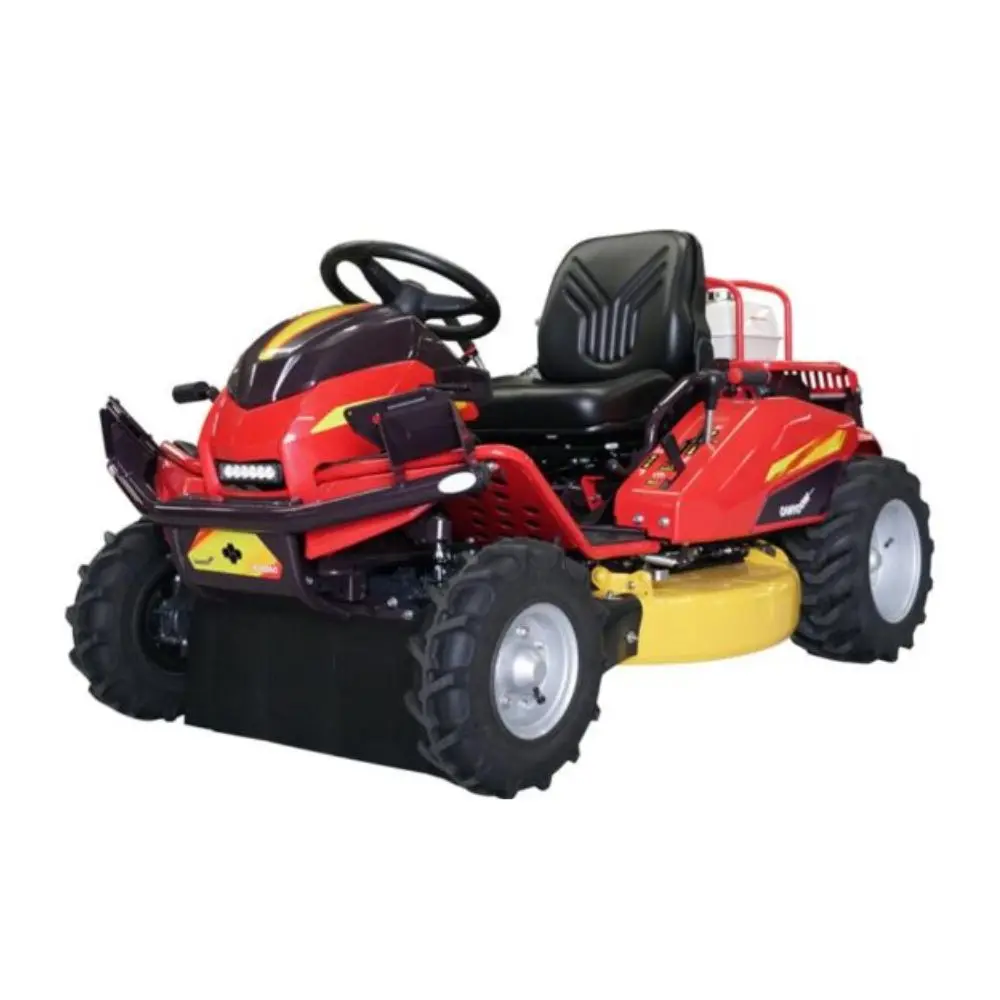
Our Price: £10,300.00 (inc VAT)
Out of stock, available to pre-order
Heavy-duty Canycom ride-on brushcutter delivering powerful Honda engine performance, four-wheel-drive traction, and dependable cutting capability for tackling rough terrain, dense vegetation, and demanding outdoor maintenance applications with greater efficiency, stability, and professional-grade mowing control.
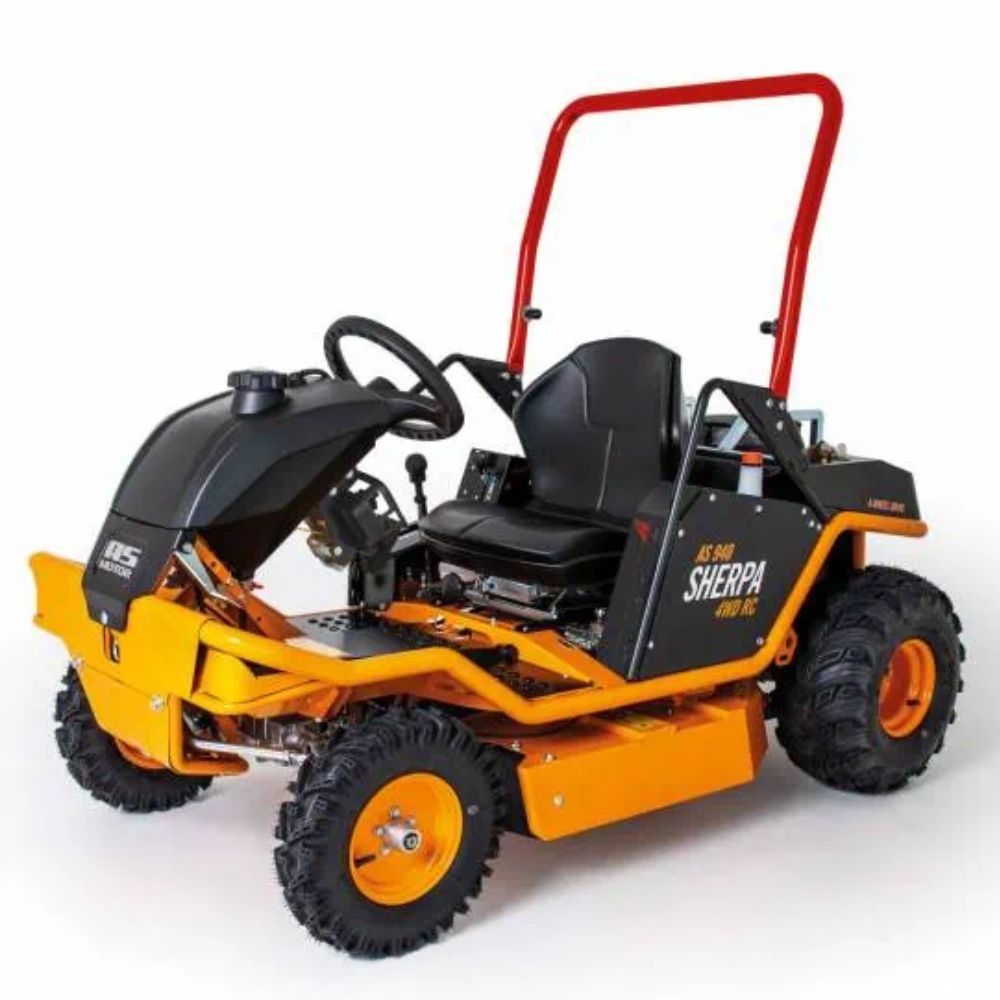
Our Price: £25,500.00 (inc VAT)
Out of stock, available to pre-order
A powerful ride-on mower controlled by a remote; a technology first! Designed for professional use with a Briggs & Stratton engine, hydrostatic transmission, a 5 height cutting system and a wide cutting width to ensure excellent cutting performance.
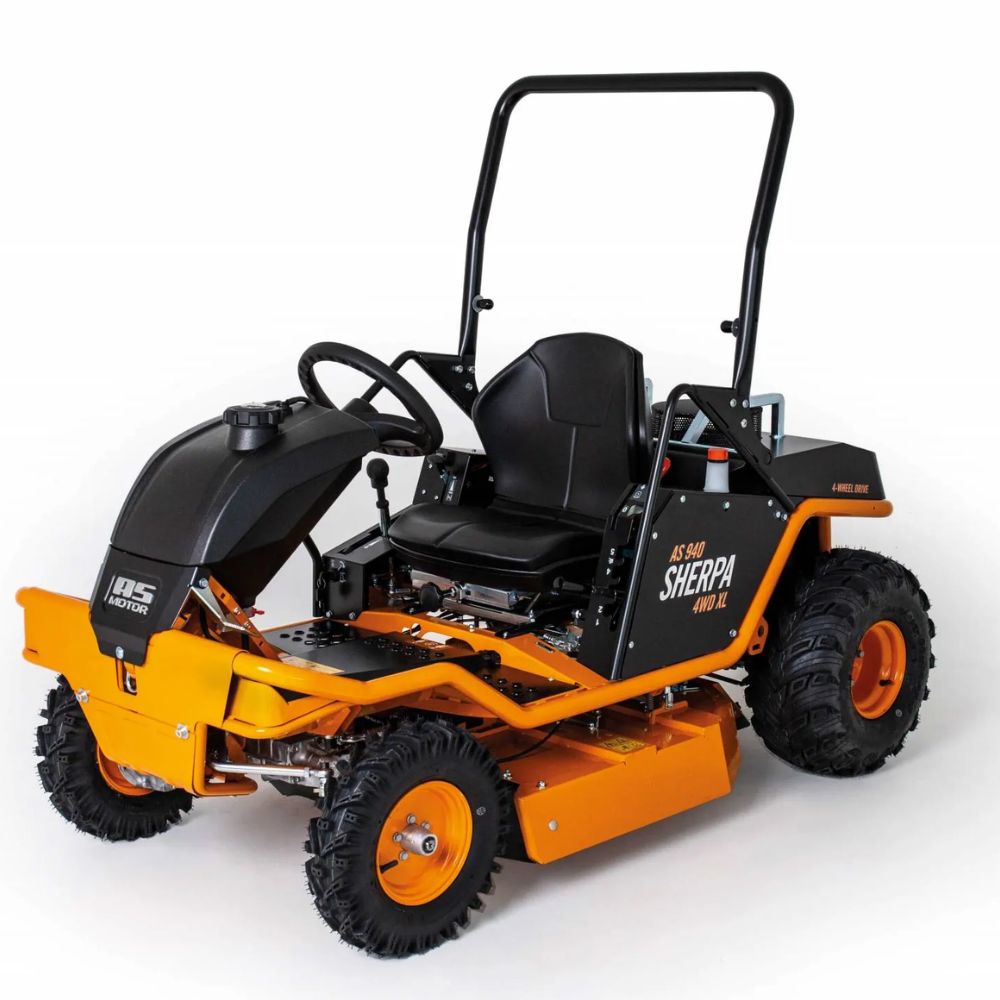
Our Price: £15,599.00 (inc VAT)
Out of stock, available to pre-order
Heavy-duty ride-on mower featuring permanent all-wheel drive, hydrostatic transmission, and a rugged surfing mower deck for efficient vegetation management across demanding slopes, uneven terrain, long grass, and challenging outdoor mowing applications with dependable professional performance.
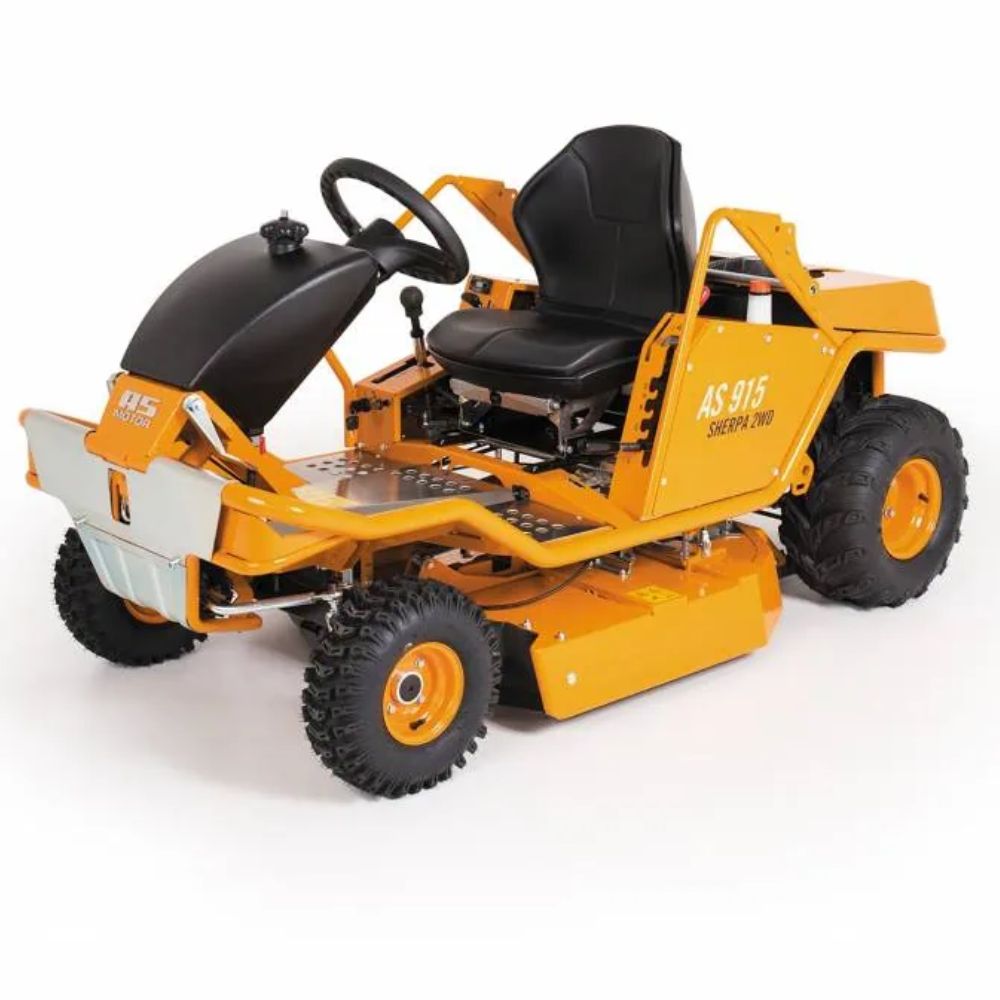
Our Price: £10,799.00 (inc VAT)
Out of stock, available to pre-order
An efficient and user-friendly petrol brushmower with hydrostatic transmission powered by a twin-cylinder Loncin engine delivering excellent cutting results thanks to a surfing mulch-mower deck and a variable heights system.
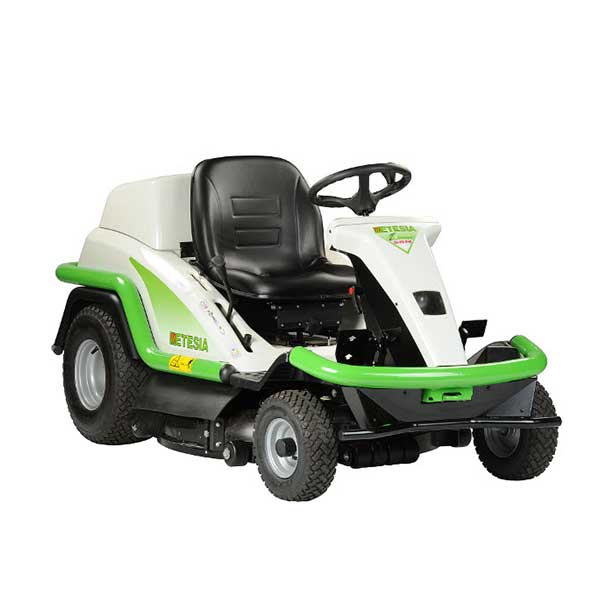
Our Price: £9,174.00 (inc VAT)
Out of stock, available to pre-order
This is a compact, reliable and high performing ride-on brushcutter, able to tackle uneven terrain and steep slopes, while enjoying quiet operation and low vibcrations. With an 85 cm cutting width, cruise control and hydrostatic transmission.
FAQs
How does a ride-on brushcutter differ from a standard ride-on lawn mower?
A ride-on brushcutter is designed for tackling tougher vegetation, including long grass, weeds, brambles and thick undergrowth. Compared with a conventional ride-on mower, these heavy-duty machines generally feature more robust cutting systems and durable decks designed to cope with rough, overgrown areas rather than maintained lawns.
Are ride-on brushcutters suitable for mowing steep slopes?
Many ride-on brushcutters are specifically engineered for working on slopes and challenging terrain. Specialist machines from manufacturers such as AS-Motor and Etesia offer excellent traction, stability and control on inclines. When choosing a ride-on brushcutter for slopes, always check the manufacturer's maximum permitted gradient and operating guidance.
Which ride-on brushcutter is best for my land?
Consider the size and condition of your land, the vegetation you need to clear and the severity of any slopes or uneven ground. Depending on the application, the best solution could be a specialist rough-cut mower or ride-on flail mower. Comparing cutting performance, traction and manoeuvrability will help narrow down your options.
Is a riding brush mower better than a handheld brushcutter for large areas?
For clearing extensive areas, a riding brush mower can dramatically increase productivity while reducing the physical effort involved. It's ideal for cutting long grass, weeds, brambles and other demanding vegetation across paddocks, orchards, estates and neglected ground. A handheld petrol brushcutter remains useful for confined spaces, edges and detailed finishing work.
Is four-wheel drive necessary on a ride-on brushcutter?
Not necessarily. However, a 4WD ride-on brushcutter can provide valuable extra traction and control when tackling steep slopes, uneven surfaces or softer ground. A two-wheel-drive machine may be perfectly suitable for relatively flat, firm terrain, while four-wheel drive is often worth considering for more demanding conditions and regular rough-ground maintenance.
