
A chainsaw that pulls to one side is usually caused by an unevenly sharpened chain, incorrect chain tension, guide bar wear, or poor cutting technique. Checking these areas and carrying out regular maintenance can help restore straight, accurate cutting performance.
How Do I Stop My Chainsaw Pulling to One Side When Cutting?
A chainsaw should make smooth, controlled cuts through timber, but it’s not uncommon to experience a frustrating problem where the machine starts drifting left or right. When a chainsaw cuts crookedly, it can make even simple jobs harder, reduce cutting efficiency, and place unnecessary strain on both the operator and their equipment.
If your chainsaw does not cut straight, the cause is usually linked to the chain, guide bar, or maintenance routine rather than the engine or motor. The good news is that most causes of chainsaw cutting problems can be identified and corrected with a few simple checks.
In this guide, we explain why a chainsaw pulls to one side, how to diagnose the issue, and the steps you can take to restore accurate cutting performance.
Why Is My Chainsaw Not Cutting Straight?
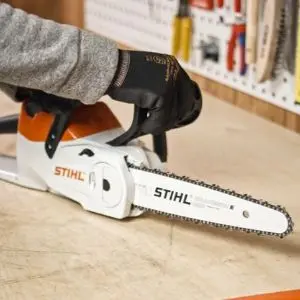 When a chainsaw is working correctly, the cutters on both sides of the chain should remove wood evenly. This allows the chain to travel straight through the material while the guide bar remains aligned.
However, if one side of the chain cuts more aggressively than the other, the saw will naturally begin to move in that direction. Some users notice that their chainsaw cuts to right, while others find their chain saw cuts to the left. In both cases, the underlying problem is usually an imbalance somewhere within the cutting system.
A chainsaw not cutting straight isn’t just inconvenient. Continuing to use the machine in this condition can increase wear on the chain, bar, and other components. Addressing the cause early helps you maintain safer operation and achieve better results.
Uneven Chain Sharpening Can Cause Crooked Cuts
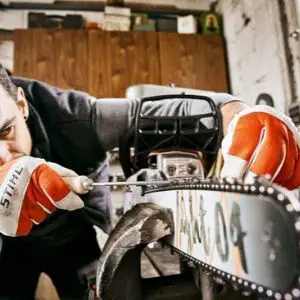 The most common reason a chainsaw will not cut straight is an unevenly sharpened chain. Every cutter around the chain should be the same length and filed to the correct angle. If some cutters are longer or sharper than others, they will remove more material with each pass.
For example, if the cutters on the right-hand side are larger than those on the left, the saw may pull towards the left during cutting. Likewise, uneven left-hand cutters can cause the machine to drift in the opposite direction.
This is why correct chainsaw chain sharpening is essential. Filing the chain carefully and consistently helps ensure each cutter performs equally. Using a suitable round file, sharpening guide, or filing kit can make it easier to maintain the correct angles and cutter lengths.
Over time, repeated sharpening can leave some cutters shorter than others, especially if the chain has been sharpened unevenly. If the difference in cutter length is significant, replacing the chain may be a better solution than further filing.
Check the Chain for Damage or Uneven Wear
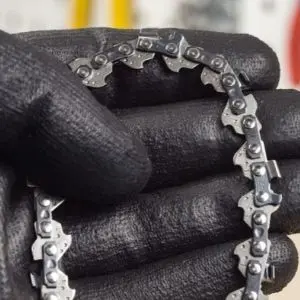 A damaged chain can also cause a chainsaw cutting to one side. Chains often encounter tough materials such as soil, stones, nails, or hidden objects within timber. Even a single damaged cutter can affect the balance of the chain.
Inspect the cutters carefully and look for chipped edges, missing corners, or teeth that appear shorter than the rest. A chain that has suffered significant damage may not perform correctly even after sharpening.
When a chainsaw cuts crooked with new chain, likely causes include incorrect installation, a worn guide bar, or an incompatible chain and bar combination. Always check that the replacement chain matches the correct pitch, gauge, and number of drive links for your chainsaw.
Incorrect Chain Tension Can Affect Cutting Accuracy
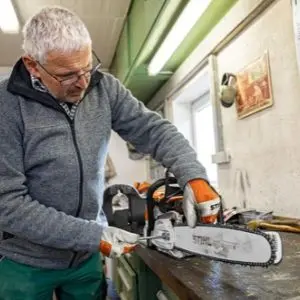 Another common cause of poor cutting performance is incorrect chainsaw chain tension. The chain needs to sit securely within the guide bar groove while still being able to move freely around the bar.
If the chain is too loose, it may move from side to side during operation. This can prevent accurate cutting and increase the chance that the saw begins to drift. A chain that is too tight can also create problems by increasing friction and placing extra pressure on the guide bar and drive components.
Checking chain tension regularly is an important part of chainsaw maintenance. The correct tension allows the chain to run smoothly while keeping the cutters properly aligned during cutting.
Inspect the Chainsaw Guide Bar for Wear
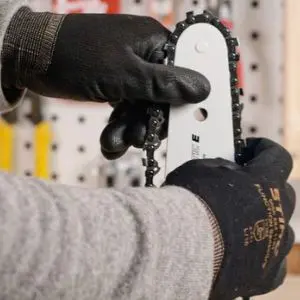 If sharpening and chain tension checks do not solve the problem, the guide bar may be responsible. Over time, chainsaw guide bar wear is inevitable, particularly with frequent use or inadequate chain lubrication.
The guide bar supports the chain and keeps it moving in a straight path. If the bar rails become uneven, worn, or damaged, the chain may sit at an angle. This can result in the chain saw not cutting straight, even if the chain itself is in good condition.
Signs of guide bar problems include uneven rail height, visible damage along the edges, excessive wear in the groove, or a bar that appears bent. Turning the guide bar regularly can help spread wear more evenly, while badly worn bars should be replaced.
Keeping the bar groove clean and ensuring the chain receives sufficient lubrication will also help reduce unnecessary wear.
Could Your Cutting Technique Be the Cause?
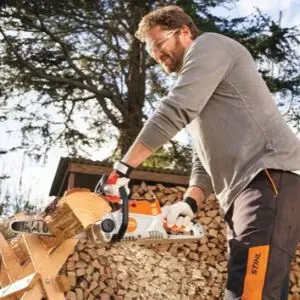 Although equipment problems are often responsible, poor cutting technique can sometimes make a chainsaw appear faulty. Applying uneven pressure while cutting can force the bar away from its natural path.
A chainsaw is designed to allow the chain to do the work. Pushing too hard or twisting the saw during a cut can create additional side pressure, causing the machine to drift.
Try allowing the chainsaw to feed through the timber at its own pace. Keep a firm grip, but avoid forcing the bar sideways. Smooth, controlled movements help produce cleaner cuts and reduce stress on the chain and guide bar.
Other Checks When Your Chainsaw Cuts Crooked
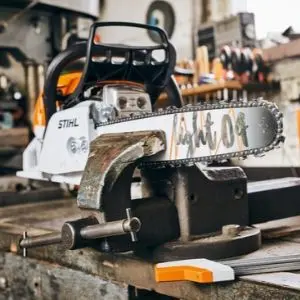 If your chainsaw still cuts crookedly after sharpening the chain and checking the bar, there are a few other areas worth inspecting. It is worth checking that all cutting components are correctly fitted and that the chain and guide bar combination matches your machine. Using incorrect components can affect how the chain sits within the bar and may lead to uneven cutting.
Regular maintenance is the best way to prevent many chainsaw cutting problems. Cleaning the machine after use, checking lubrication levels, maintaining the correct chain tension, and sharpening the chain when required will all contribute to better performance.
Summary of How to Fix a Chainsaw Not Cutting Straight
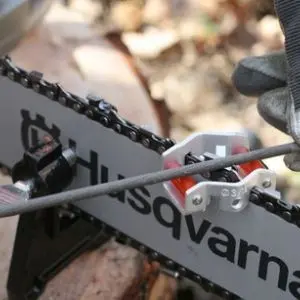 When a chainsaw pulls to one side, begin by examining the chain. Check whether the cutters are evenly sharpened and whether any teeth are damaged. If the chain appears uneven, a careful sharpening session may solve the issue.
Next, check the chain tension and inspect the guide bar for signs of wear. If the bar is damaged or heavily worn, replacing it may restore straight cutting performance. If you have fitted a new chain and the chainsaw still cuts crookedly, check that it is correctly installed.
Taking a methodical approach will usually reveal the cause. In many cases, a simple adjustment or replacement part is enough to return the chainsaw to accurate operation.
Keep Your Chainsaw Performing at Its Best
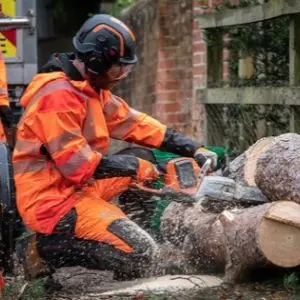 A chainsaw that cuts straight is easier to control, more efficient to use, and less likely to suffer unnecessary wear. Whether the issue is uneven sharpening, incorrect tension, or chainsaw guide bar wear, regular care makes a significant difference.
At Garden Machinery Direct, we understand that reliable equipment depends on quality maintenance as well as the right machine. So, as well as selling an outstanding range of chainsaws, we also stock a comprehensive selection of chainsaw bars, chains, and filing kits to help keep your equipment performing at its best.
From replacement components to essential sharpening accessories, we have everything required to help you maintain your chainsaw and achieve clean, accurate cuts for years to come.