
It is safe to use a pressure washer in winter when temperatures are above freezing. Choose mild, dry conditions, avoid icy surfaces, drain water from the pump, hoses and fittings after use, and store equipment somewhere dry and frost-free to prevent damage.
Can You Use a Pressure Washer in Winter?
Pressure washers are useful throughout the year, helping to keep outdoor spaces, vehicles and machinery clean. However, when temperatures fall, many people wonder whether they can continue using their pressure washer safely. Cold weather introduces a few extra challenges, particularly when water remains inside the pump, hoses and fittings.
So, can you pressure wash in winter? The good news is that you don’t necessarily have to put your machine away until spring. Pressure washing in cold weather is perfectly possible when conditions are suitable and you take sensible precautions. The key is knowing when it is safe to work, how to prevent freezing and how to protect your equipment between uses.
In this guide, we’ll explain how to use a pressure washer during winter, when to avoid cleaning outdoors and how to prepare your machine for colder conditions. We’ll also look at the steps you can take to prevent frost damage and keep your pressure washer in good working order throughout the year.
Can You Pressure Wash in Winter?
 Yes, you can power wash in winter, provided temperatures are suitable and the equipment is protected from freezing. A mild winter’s day can offer perfectly good conditions for cleaning outdoor surfaces, garden machinery and vehicles. However, freezing weather presents a greater risk to both the operator and the pressure washer.
When deciding if you can pressure wash in the cold, the main concern is water freezing inside the machine. Most pressure washers use water to cool and lubricate parts of the pump during operation. If this water freezes, it expands and can damage internal components, seals and connections. Hoses, spray guns and other accessories can also suffer if water remains inside them.
This is why cold weather pressure washing requires a little more preparation than cleaning during warmer months. Before starting, check the temperature and consider whether it is likely to fall while you’re working. Remember that conditions can change quickly during winter, particularly in exposed areas.
If temperatures are comfortably above freezing, you can generally use a pressure washer in the winter, provided you follow the manufacturer’s instructions. However, if frost is present or temperatures are expected to fall below freezing, postponing the job is usually the safest option.
Can You Pressure Wash in Cold Weather Safely?
 The temperature is not the only consideration when deciding whether to use a pressure washer outdoors. You should also think about the surfaces you’re cleaning, the surrounding conditions and how quickly water will dry.
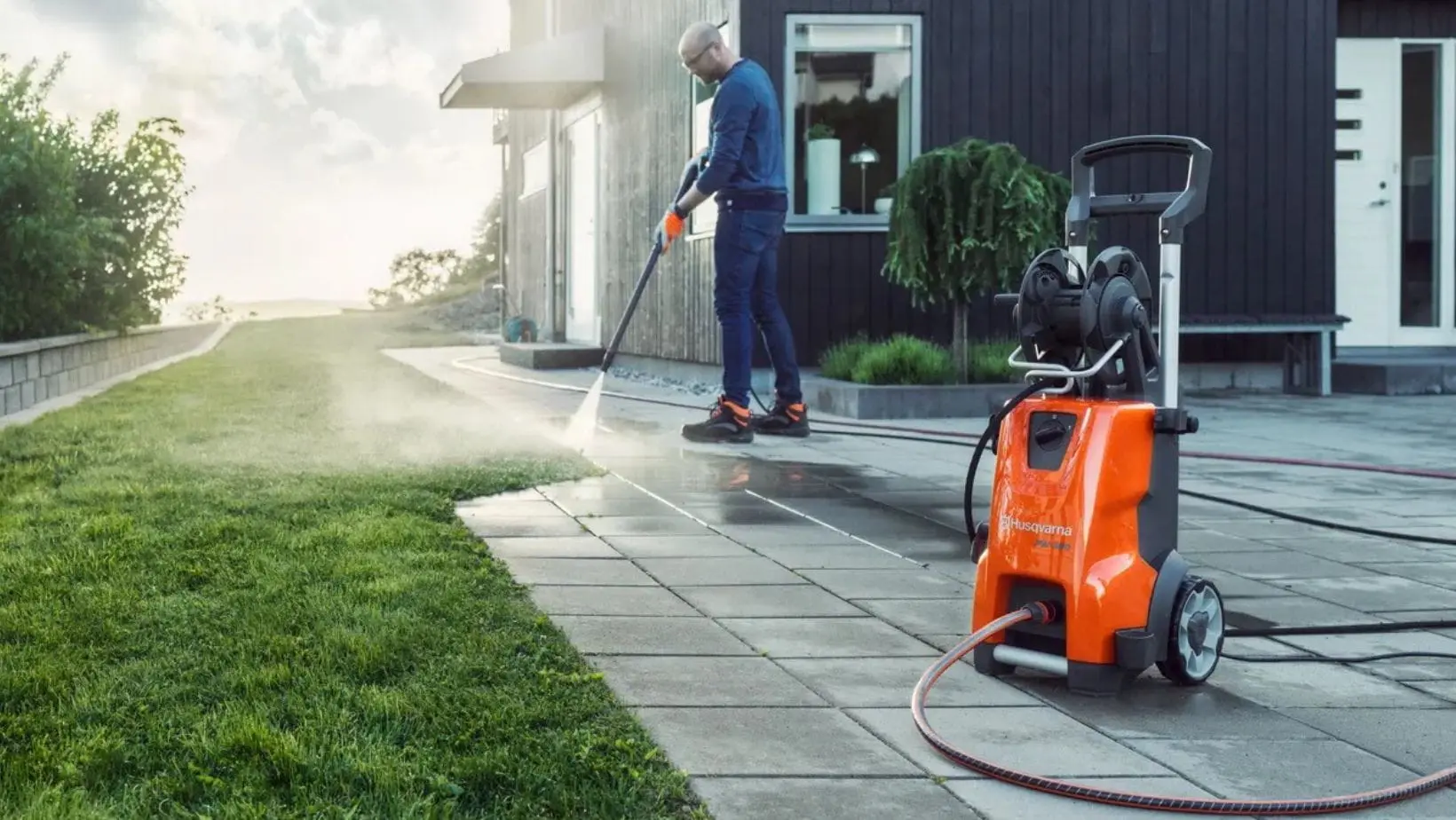
One of the biggest hazards is ice. When water from a pressure washer lands on cold paving, paths or driveways, it can freeze and create slippery patches. This is particularly dangerous around entrances, steps and frequently used walkways. Even if the surface is initially clear, temperatures can fall quickly enough for water to turn to ice during or shortly after cleaning.
When using your pressure washer in cold weather, choose a mild day when surfaces are unlikely to freeze before they dry. Avoid working during icy conditions, heavy frost or snowfall. It’s also worth considering the amount of direct sunlight and airflow around the area, as shaded surfaces can remain cold for longer.
You should wear suitable footwear with good grip and take care when moving around wet surfaces. Keep electrical connections and extension leads away from standing water, following the safety instructions supplied with your machine.
Can You Power Wash a House in Winter?
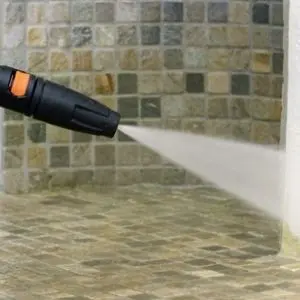 You can power wash your home’s exterior in winter, but it’s important to choose the right conditions. Exterior walls, brickwork, render and other building materials can retain moisture, so cleaning them in freezing weather can create problems.
Water that enters small cracks or porous surfaces may freeze and expand. This can potentially damage the material, particularly where existing cracks or weak areas are present. Low temperatures also make it harder for freshly cleaned surfaces to dry properly.
If you plan to power wash in winter, choose a mild, dry day with no frost forecast during the cleaning or drying period. Avoid directing high-pressure water at damaged mortar, loose render, vulnerable seals or other areas that could allow water to enter the building. Always use an appropriate pressure and nozzle for the surface.
For larger exterior cleaning jobs, waiting for warmer weather may be the better option. This allows surfaces to dry more effectively and reduces the risk of water freezing in vulnerable areas.
How to Prevent Pressure Washer Frost Damage
Preventing frost damage is one of the most important parts of pressure washer winter care. Water left inside the machine can freeze even when the pressure washer is switched off. This means that simply stopping work before temperatures drop is not always enough to protect it.
The best approach is to remove residual water after every use and store the equipment somewhere dry and frost-free. This is particularly important if you use your pressure washer during the day but leave it in an unheated garage or shed overnight.
Drain the Pressure Washer After Use
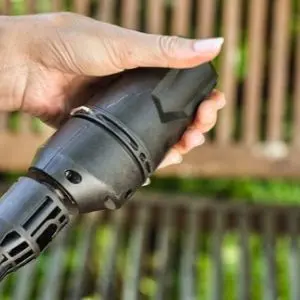 Once you’ve finished cleaning, switch off the machine and disconnect the water supply. Follow the manufacturer’s instructions for shutting down and releasing any remaining pressure in the system.
Disconnect the water inlet hose and high-pressure hose, then allow water to drain from the machine. Depending on the model, you may need to operate the trigger briefly to release residual water from the pump and spray gun. Always follow the correct procedure from the instruction manual.
Pay particular attention to water that may remain inside the pump, water filter and connections. These areas can be vulnerable to freezing, even when the machine appears empty.
If you want to drain the pressure washer for winter storage, take the time to check all accessible water passages and accessories. Removing as much residual water as possible will reduce the risk of internal damage when temperatures fall.
Store Your Pressure Washer Somewhere Frost-Free
A dry, frost-free location is ideal for storing a pressure washer during winter. A heated garage, workshop or suitable indoor storage area will provide better protection than an exposed garden shed.
Keep the pressure washer upright and store it according to the manufacturer’s recommendations. Avoid leaving it outside under a basic cover, as this will not necessarily prevent water inside the pump from freezing.
It’s also worth keeping hoses, spray guns and other accessories indoors rather than leaving them attached to the machine. This makes it easier to drain them properly and protects their connections from unnecessary exposure to frost.
How to Protect Pumps, Hoses and Fittings from Freezing
The pump is particularly vulnerable to frost damage because small amounts of water can remain trapped inside its internal passages. Hoses, spray guns, lances and connectors can also retain water after use, so they all need attention before storage.
 Start by disconnecting the water inlet and high-pressure hose. Allow both hoses to drain fully, holding them in a suitable position so water can escape. Avoid sharply bending or tightly coiling them, as this can damage the hose structure. Once drained, store them somewhere dry and protected from frost.
Remove the spray gun, lance and any interchangeable nozzles. Drain each component separately, paying attention to quick-release couplings and other fittings. These small connections can hold pockets of water that are easily overlooked. Wipe the exterior of the components clean and check for damaged seals or signs of wear before putting them away.
If your pressure washer has a removable water filter, check it for dirt and debris. Clean it according to the manufacturer’s instructions and inspect the seals before refitting. A clean filter helps prevent particles from entering the pump, while properly maintained seals help keep water connections secure.
It’s also important to protect the detergent system. Empty any remaining cleaning solution from the tank and rinse it if the manufacturer’s instructions recommend doing so. Cleaning chemicals left inside the system can cause problems if they dry out or are not suitable for prolonged storage.
Should You Cover a Pressure Washer in Winter?
A protective cover can help keep dust, dirt and moisture away from your pressure washer when it is not in use. However, a cover alone will not prevent frost damage. If water remains inside the pump or accessories, freezing temperatures can still cause problems.
If indoor storage is unavailable, choose a breathable cover designed for outdoor equipment. Avoid wrapping a damp machine in plastic or placing it somewhere with poor ventilation, as trapped moisture can encourage corrosion.
Where possible, keep the machine in a frost-free building rather than relying on a cover for protection. Remember that temperatures inside an unheated shed or garage can fall below freezing, even when the equipment is sheltered from the elements.
What Should I Do If My Pressure Washer Is Frozen?
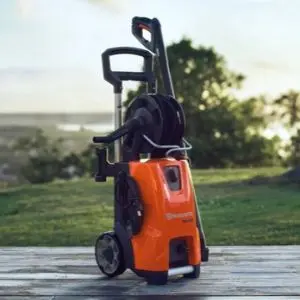 If you’ve been unable to keep the pressure washer from freezing, do not attempt to switch it on. Operating a machine with frozen water inside will put additional strain on the pump and other components.
Move the equipment into a dry location where temperatures are above freezing and allow it to thaw naturally. Avoid using direct heat to speed up the process. Sudden temperature changes can damage plastic components, seals and other parts.
Once the machine has thawed, inspect the pump, hoses, fittings and connections for leaks or visible damage. Check the water inlet and filter, too. If you notice cracks, leaking connections or unusual noises, arrange an inspection by a qualified service technician before using the machine again.
Even if everything appears intact, follow the manufacturer’s checks before restarting. A pressure washer that has been exposed to freezing temperatures may have suffered internal damage that is not immediately obvious. Taking time to inspect it can help prevent a minor problem from becoming a costly repair.
How to Winterise Pressure Washers
 If you won’t be using your pressure washer for several weeks or months, preparing it for winter storage is a sensible precaution. Winterising your pressure washer involves more than simply putting it away. The aim is to leave the machine clean, dry and protected from freezing conditions.
Start by cleaning the exterior and removing any dirt or detergent residue. Disconnect the water supply, release the remaining pressure and drain the pump and hoses using the procedure specified in your instruction manual. Some models have particular requirements for removing residual water, so avoid assuming that every machine can be drained in exactly the same way.
Next, remove and drain the accessories, empty the detergent system and inspect the water filter. Check the high-pressure hose for damage, and make sure the spray gun and connections are clean and free from debris.
Finally, store everything in a dry, frost-free location. Keep accessories together so they are easy to find when you need them again. A little preparation can save considerable time and expense when spring arrives.
If want further clarification about how to winterize your pressure washer, consult its instruction manual or contact an authorised dealer. Some machines have specific procedures that must be followed to protect their pumps and internal components.
Is a Pressure Washer Worth Using Throughout Winter?
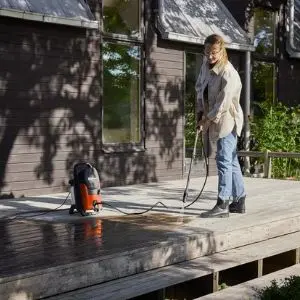 Absolutely! Provided conditions are suitable, a pressure washer can remain a useful cleaning tool throughout the colder months. It can help remove mud from garden machinery, road dirt from vehicles and accumulated grime from suitable outdoor surfaces.
Winter is also a good opportunity to clean equipment before putting it away for seasonal storage. Removing dirt and debris can make spring maintenance easier and help keep machinery in better condition.
The important thing is to judge each job individually. Avoid pressure washing during frost or when water is likely to freeze on the surfaces you’re cleaning. Allow sufficient time for everything to dry, and always drain and store your equipment properly after use.
With the right approach, you can continue to enjoy the benefits of pressure washing in the winter without putting your equipment at unnecessary risk.
Find Your Next Pressure Washer at GMD
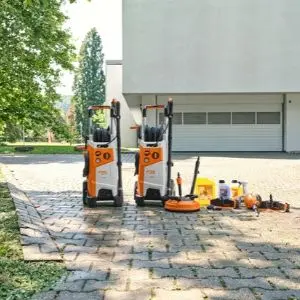 Whether you’re tackling dirty paving, cleaning garden machinery or keeping your car looking its best, choosing the right pressure washer makes all the difference.
Garden Machinery Direct stocks a superb range of pressure washers to suit different cleaning requirements, from everyday domestic jobs to more demanding professional tasks. You’ll also find a great selection of pressure washer accessories, including pressure washer attachments to make cleaning easier and more effective, alongside cleaning solutions for tackling different types of dirt and grime.
Explore our range of pressure washers today and find the right equipment for all your cleaning needs. With the correct machine and the right winter care, you can keep your outdoor spaces and equipment looking their best throughout the year.