
Choosing between a push and self-propelled lawnmower depends on your lawn size, terrain, budget, and physical needs. Push mowers suit smaller, flatter gardens, while self-propelled models reduce effort on larger or sloping lawns. This guide compares weight, manoeuvrability, price, maintenance, and overall suitability to help you choose.
Should I Choose a Push or Self-Propelled Lawnmower?
Choosing a new lawnmower involves more than deciding between petrol, battery, and electric power. You also need to consider how the machine moves across the lawn. For many walk-behind mowers, that means choosing between push and self-propelled models.
Both designs have clear advantages. A push mower offers simplicity, direct control, and often a lower purchase price. A self-propelled mower reduces physical effort by powering its own wheels. Which one suits you best depends on your lawn, its terrain, your budget, and how you prefer to mow.
If you are weighing up a push vs self-propelled lawn mower, this guide explains the differences and where each design works best.
What Is a Push Lawnmower?
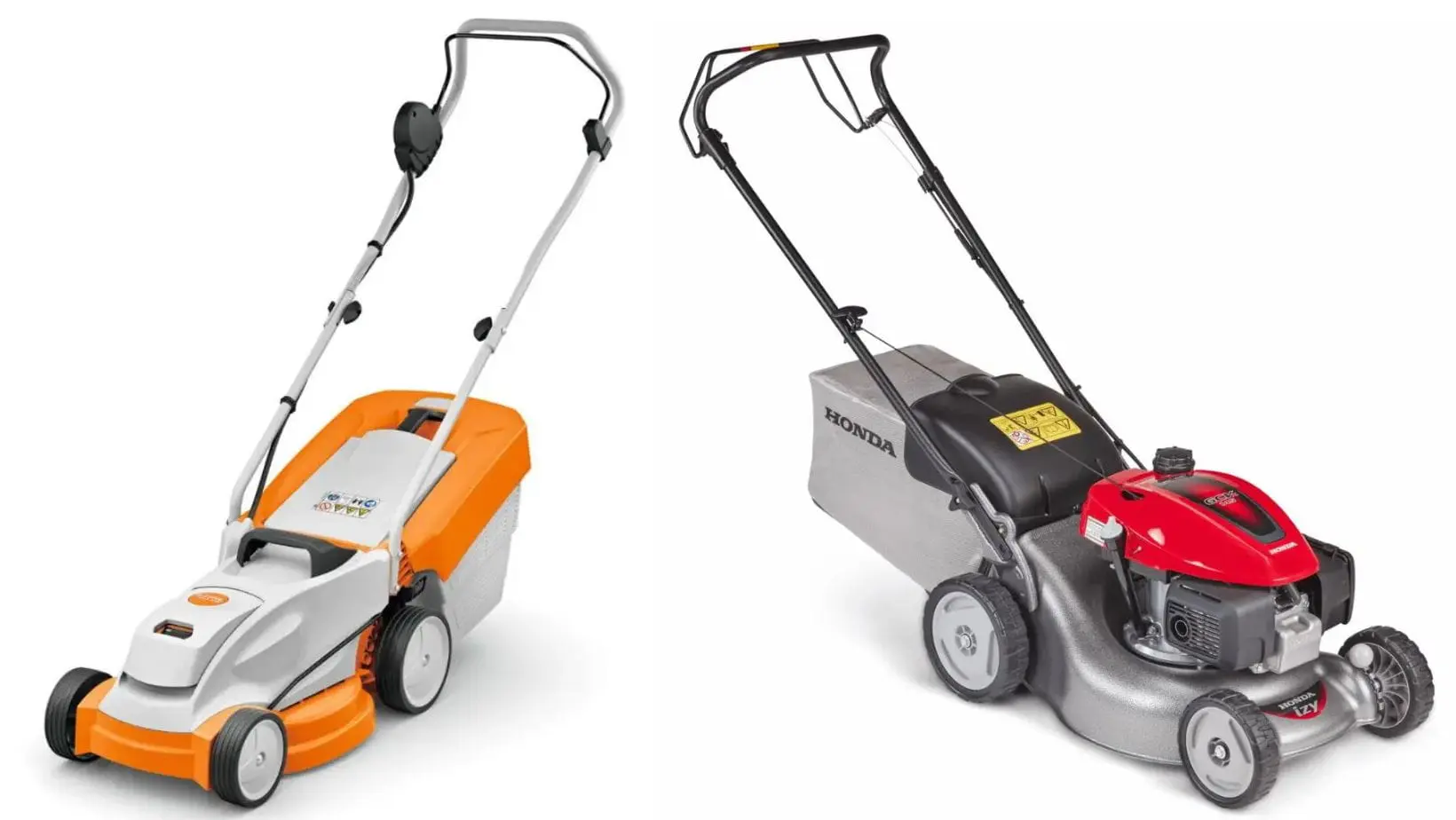
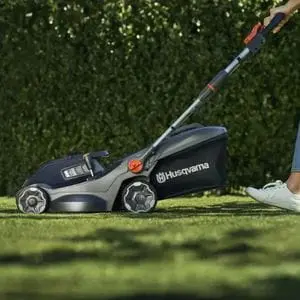 A push lawn mower relies on the operator to move it forwards. Its engine or electric motor powers the cutting blade, but you provide the force needed to move the machine across the grass.
Push mowers are available with petrol, battery, and mains-electric power. They are often relatively simple machines, making them popular for smaller domestic gardens.
Because there is no powered wheel drive, you remain in direct control of the mower’s movement. This can be useful when navigating tight spaces or mowing around numerous obstacles.
What Is a Self-Propelled Lawnmower?
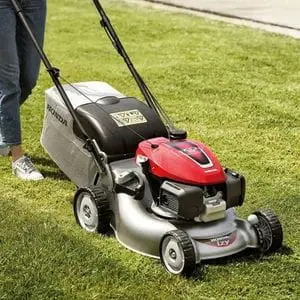 A self-propelled lawn mower uses power to drive its wheels as well as operate the cutting system. Once the drive is engaged, the machine moves forwards while you walk behind and steer it.
Drive systems vary between models. Some mowers operate at one set pace, while others offer multiple speeds. More advanced machines may provide variable-speed drive that responds to the operator.
Petrol models are particularly common within this category. A self-propelled petrol lawnmower can combine strong cutting performance with powered drive, making it well suited to larger or more demanding lawns.
Battery-powered self-propelled machines are also increasingly common. These provide the same basic benefit of powered assistance without using a petrol engine.
Which Type Is Best for a Small Lawn?
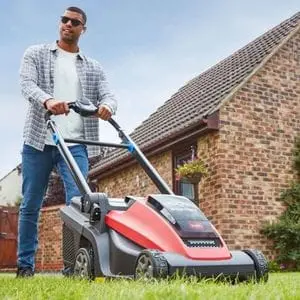 For a small, relatively flat garden, a push mower is often all you need. The distances involved are short, so providing the forward movement should not require excessive effort.
Push models can also be particularly convenient where space is restricted. Small gardens often contain flower beds, paths, trees, furniture, and other features. A lightweight mower that responds directly to your movements can make navigating these obstacles straightforward.
Cost is another consideration. If powered drive offers little practical benefit for your garden, there may be no reason to pay extra for it.
However, lawn size should never be considered in isolation. A small garden on an incline could still make self-propulsion worthwhile. The same applies if pushing a mower is physically difficult for the user.
What About Medium-Sized Lawns?
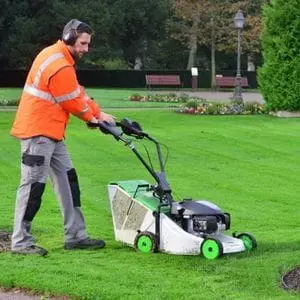 As the mowing area grows, the benefits of powered drive become more noticeable. You need to cover greater distances, and manually pushing the mower for the entire job requires more energy.
This is where the choice becomes less clear-cut. A fit user with a level, uncomplicated lawn may remain perfectly happy with a push machine. Someone who wants a more relaxed mowing experience may prefer self-propulsion.
Cutting width should be considered alongside the drive system. A wider deck can reduce the number of passes required, while self-propulsion helps move the mower across those longer runs.
For many medium-sized lawns, therefore, both designs remain viable. Your preferred balance between simplicity, purchase price, and physical effort should guide your decision.
Self-Propelled Mowers for Large Lawns
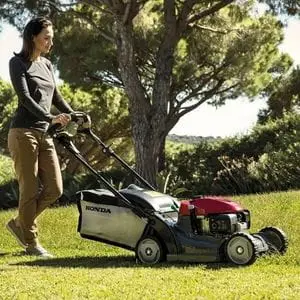 The larger the lawn becomes, the stronger the case for self-propulsion.
Walking several kilometres during a mowing session is demanding enough without pushing the full weight of a mower at the same time. A self-drive lawn mower removes much of this effort by providing the forward motion itself.
This can also help you maintain a steadier working pace. Rather than slowing as you become tired, the mower’s drive system keeps providing assistance.
For particularly extensive domestic lawns, you may eventually reach the point where a ride-on machine becomes more appropriate. Before that stage, however, a good self-propelled walk-behind mower can provide an effective balance between productivity and control.
Which Is Better for Sloping Gardens?
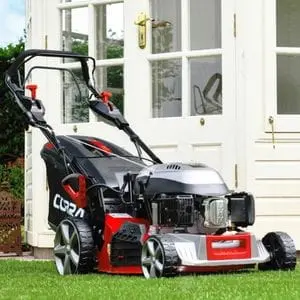 Terrain can be just as important as lawn size when selecting a mower.
Push models perform particularly well on level ground and gentle gradients. As slopes become steeper, however, moving the machine uphill demands more effort.
A self-propelled mower can make climbing inclines considerably easier because the driven wheels assist with forward movement. This is one reason a petrol mower self-propelled by its engine remains popular for larger, undulating gardens.
That does not mean every self-propelled mower is suitable for steep ground. Manufacturers specify operating limits, and these should always be followed. You also need to consider safe working practices when mowing slopes.
Downhill control matters too. A heavier machine may require more attention when descending or changing direction.
For gardens with significant gradients, examine the mower’s complete design rather than choosing solely because it has powered drive.
Does Lawnmower Weight Matter?
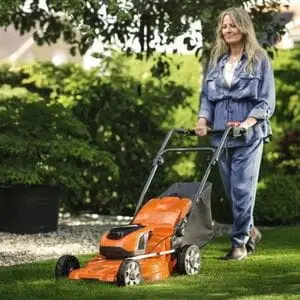 Weight affects push and self-propelled mowers differently.
A lighter push mower is usually easier to propel, turn, and reposition. It can also be more convenient if you need to lift the machine over steps or transport it regularly.
However, the operator must move that weight throughout the mowing session. A heavier push mower may therefore become tiring, especially in long grass or across uneven terrain.
Self-propelled machines tend to carry additional components for their drive system. This can increase their overall weight, but the powered wheels compensate while the drive is engaged.
The difference becomes more noticeable when the mower is not under power. Moving it around a shed, turning in confined areas, or loading it into a vehicle may require more effort.
Before buying, consider when you will need to move the mower as well as how it behaves while cutting grass.
Manoeuvrability Around Obstacles
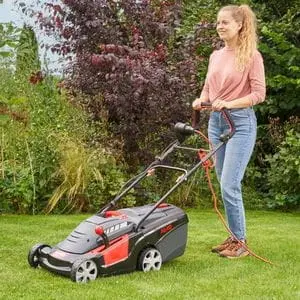 Small, intricate gardens can favour push mowers because they give the operator direct control over every movement.
If your lawn contains several trees, beds, ornaments, or narrow sections, you may spend considerable time changing direction. A relatively light push mower can work particularly well in these circumstances.
Self-propelled models are often at their best when allowed to travel forwards for longer stretches. However, this does not mean they are difficult to steer.
Variable-speed systems can provide excellent control because you can adapt your pace to the conditions. Some designs also make it easy to disengage the drive when approaching obstacles or turning.
When searching for the best self-propelled lawn mower, look beyond engine power or battery capacity. Consider how naturally the drive system responds and whether its speed control suits the layout of your garden.
Which Type Is Better for Different Users?
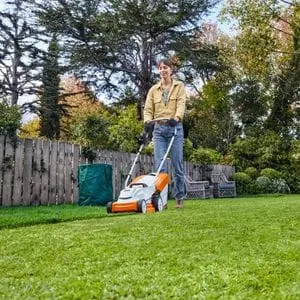 Your own physical capabilities should play a major role in your decision.
A push mower may be ideal for someone who is comfortable with the additional exertion and has a manageable lawn. Its straightforward design can make mowing simple and predictable.
Self-propulsion is valuable for anyone who wants to reduce the physical demands of lawn care. Older gardeners and people who find prolonged pushing uncomfortable may particularly appreciate powered assistance.
You do not need a huge garden to justify it. Even a modest lawn can become demanding if the ground slopes or the mower itself is relatively heavy.
Likewise, professional users may appreciate self-propulsion because they spend much longer mowing than most homeowners. Reducing physical effort across repeated jobs can make a substantial difference over a working day.
Push vs Self-Propelled Mower Prices
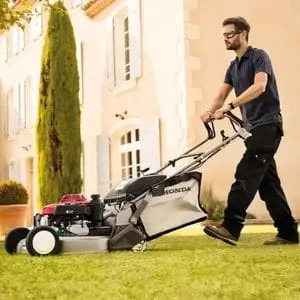 Push lawnmowers tend to cost less than equivalent self-propelled machines.
This is largely because their design is simpler. Without a powered transmission, there are fewer components involved in moving the mower.
For someone maintaining a small, flat lawn, paying extra for self-propulsion may offer limited value. The money could instead be put towards other useful features, such as a larger battery or a mower with your preferred cutting system.
Self-propelled machines cost more, but that extra expenditure buys a practical benefit rather than simply an upgraded specification.
If powered drive saves considerable effort every time you mow, the additional cost can quickly feel justified.
Is Maintenance Different?
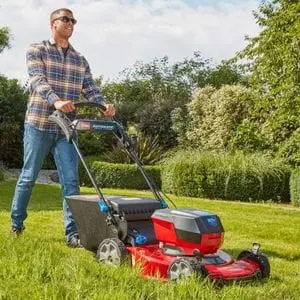 Push mowers generally have fewer mechanical components associated with movement. There is no powered wheel-drive system to maintain, which keeps the overall design relatively straightforward.
A self-propelled machine introduces additional components. Depending on the model, these might include drive belts, cables, gears, or a transmission. These parts can require adjustment or servicing during the mower’s working life.
However, propulsion is only one part of lawnmower maintenance.
A petrol push mower still requires normal engine care, while a petrol self-propelled model requires similar attention alongside its drive system. Battery mowers have different maintenance requirements, regardless of whether their wheels are powered.
Keeping blades sharp, cleaning the cutting deck, and following the manufacturer’s servicing instructions remain important whichever design you choose.
Is a Self-Propelled Mower Worth It?
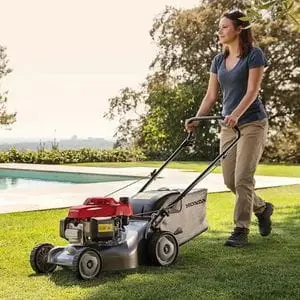 So, is a self-propelled mower worth it? For many gardeners, yes, but it depends on the conditions in which it will be used.
If you have a large lawn, significant gradients, or simply want to minimise physical effort, powered drive can be extremely useful. These factors may well justify the additional purchase price.
For a compact and level lawn, the answer may be different. A lighter and less expensive push mower could perform the job perfectly well without adding unnecessary complexity or cost.
Rather than assuming that self-propulsion is automatically better, think about whether you will regularly benefit from it.
Push or Self-Propelled: Which Should You Buy?
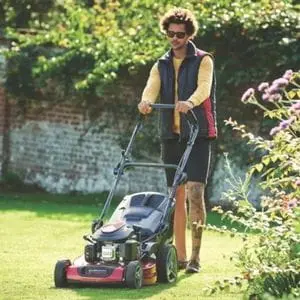 There is no universal winner in the push versus self-propelled debate.
Push mowers are particularly well suited to smaller, flatter gardens and users who value simplicity. They can offer excellent manoeuvrability, lower weight, competitive pricing, and straightforward maintenance.
Self-propelled machines come into their own as lawns become larger, steeper, or more demanding. Powered wheels reduce the effort needed to cover substantial areas and can make mowing inclines much more manageable.
The right decision ultimately depends on the combination of lawn size, terrain, machine weight, budget, and user preference.
Find Your Ideal Lawnmower Here
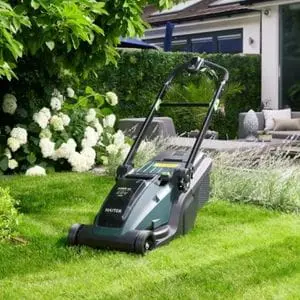 Garden Machinery Direct is the UK’s leading online retailer of both push and self-propelled lawnmowers. Our extensive range makes it much easier to find a machine suited to your garden, whether you maintain a compact lawn or a much larger area.
Choosing between different drive systems, cutting widths, power sources, and features can seem complicated. That is why our friendly staff are always on hand to provide expert advice and help you identify the right mower for your needs.
Explore our range of push and self-propelled lawnmowers today and find a machine that makes maintaining your lawn simpler, more comfortable, and more efficient.