

If your cordless lawn mower battery won’t charge, the cause could be dirty contacts, excessive heat or cold, deep discharge, moisture, an incompatible or faulty charger, or an ageing battery. Check the simple causes first, follow the manufacturer’s guidance, and seek expert advice if the battery remains unresponsive.
Why Is My Cordless Lawn Mower Battery Not Charging?
Cordless lawnmowers offer a clean, quiet, and convenient way to maintain your lawn. However, that convenience quickly disappears if the battery refuses to charge. Perhaps the charger shows an unfamiliar warning light, the battery appears completely unresponsive, or it charges but runs flat far sooner than expected.
If your lawn mower battery is not charging, do not immediately assume it needs replacing. Modern lithium-ion batteries contain sophisticated protection electronics, and chargers can also stop working when conditions are unsuitable. Excessive heat, cold temperatures, dirty contacts, moisture, poor storage, or a simple power supply issue can all be responsible.
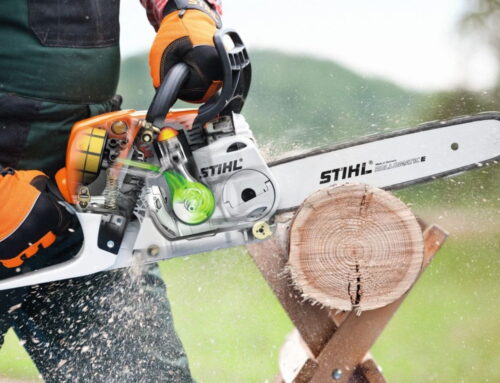
Although this guide focuses on battery-powered lawnmowers, the same principles apply to almost all cordless garden tools. So, if you use a battery chainsaw, hedge trimmer, blower, strimmer, pole pruner, or other machine, the troubleshooting steps below should still be followed.
Check the Battery and Charger Lights
 Start by looking closely at the indicator lights on the battery and charger. These can often tell you whether charging is taking place normally or whether the system has detected a problem.
Many modern chargers use different colours and flashing patterns to show charging status, temperature warnings, or faults. However, these signals vary between manufacturers. A battery charger flashing red could mean one thing on one system and something completely different on another.
Check the instruction manual for your exact charger and battery. If you no longer have it, the manufacturer’s website may provide a digital version. Understanding the warning lights can often point you directly towards the cause.
Make Sure the Charger Has Power
If the battery charger is not working, the problem may be simpler than it first appears. Check that the charger is firmly plugged into a working mains socket and switched on where necessary.
Test the socket with another suitable electrical appliance. If you are using an extension lead, remove it and connect the charger directly to the mains.
Inspect the charger cable, plug, and casing for visible signs of damage. If the unit remains completely unresponsive despite having power, the charger itself may be faulty.
Check That the Battery Is Properly Fitted
 The battery must make a secure connection with the charger before charging can begin. If it has not been inserted fully, the charger may fail to recognise it.
Remove the battery and refit it according to the manufacturer’s instructions. Some systems make a noticeable click when the battery locks into place.
If your lawn mower battery will not charge despite being correctly seated, remove it again and inspect the contacts.
Clean Dirty Battery Contacts
Battery contacts can collect grass dust, soil, moisture, and other debris during normal garden work. This contamination may interfere with the electrical connection between the battery and charger.
With the charger disconnected from the mains, inspect the contacts on both components. They should be clean, dry, and free from obvious corrosion or debris.
Clean them only as recommended by the manufacturer and avoid using metal objects around the terminals. Once everything is clean and completely dry, reconnect the battery and try again.
Dirty contacts are easy to overlook, but they can sometimes provide a simple explanation for why a lawn mower battery won’t charge.
Is the Battery Too Hot to Charge?
 Temperature is one of the most common reasons charging is delayed. A mower working through long, thick, or damp grass can place heavy demand on its battery, causing it to become warm.
If the battery is too hot to charge, its protection system may prevent charging until the cells return to a safe temperature. This does not necessarily mean the battery is damaged.
Remove it from the mower and leave it somewhere dry, shaded, and well ventilated. Once it has cooled naturally, try charging it again.
Do not put a hot battery in a refrigerator or freezer, and never cool it with water. During summer, also avoid charging batteries in direct sunlight or other very hot locations.
Could the Battery Be Too Cold?
Low temperatures can create similar problems. Lithium-ion batteries have recommended charging temperature ranges, and attempting to charge them when extremely cold can cause damage.
This may explain a cordless electric lawn mower battery not charging after being stored overnight in a cold shed, garage, or van.
Move the battery into a dry environment with a moderate temperature and allow it to warm naturally. Once it reaches an acceptable temperature, the charger may begin working normally.
Always follow the manufacturer’s guidance for charging and storage temperatures.
Has the Battery Been Left Flat for Too Long?
 Running a cordless mower until the battery is depleted during normal use should not usually cause a problem. Battery electronics normally stop discharge before cell voltage becomes dangerously low.
However, a battery that is then left empty for a long period can continue to lose charge gradually. Eventually, its voltage may fall below the level at which the charger can safely recognise it.
This is one possible reason for a lithium battery not charging after several months in storage.
Avoid online methods designed to ‘jump-start’ deeply discharged batteries. Connecting another battery, using improvised wiring, or bypassing safety electronics can be dangerous. If an approved charger no longer recognises the battery, seek professional advice.
Check for Moisture
Cordless lawnmowers are designed for outdoor use, but charging equipment still needs appropriate conditions.
If the mower or battery has been used in damp weather, inspect the battery and contacts before charging. Condensation can also occur when equipment is stored somewhere cold or humid.
Follow the manufacturer’s instructions and make sure the battery is suitably dry before placing it on the charger. The charger itself should also be kept in a suitable dry location.
Make Sure the Charger Can Ventilate
 Charging generates heat, particularly when larger lawnmower batteries are used with fast chargers. Some chargers include fans or ventilation systems to control temperature.
Make sure vents are not blocked by dust, grass, or other debris. Position the charger as instructed and avoid covering it while in use.
If it repeatedly becomes excessively hot, produces an unusual smell, or shows persistent fault warnings, stop using it and seek expert advice.
Confirm the Battery and Charger Are Compatible
Not every battery is compatible with every charger, even when both come from the same manufacturer. Some brands operate several cordless systems with different voltages and charging requirements.
If a new lawn mower battery won’t charge, confirm that your charger is specifically approved for that battery. Do not assume compatibility simply because the battery fits.
Using approved batteries and chargers also helps ensure that the charging electronics and safety systems are designed to work together correctly.
Could the Battery Management System Be Protecting It?
 Modern lithium-ion batteries contain sophisticated electronics, often referred to as a battery management system or BMS.
This system monitors factors such as voltage, current, and temperature. If something moves outside safe limits, charging may be restricted or stopped.
Therefore, a battery refusing to charge does not always indicate failure. Sometimes the protection system is simply doing its job.
Temporary issues, such as excessive heat or cold, may resolve themselves. Persistent warning lights or error codes should be checked against the manufacturer’s instructions.
Inspect the Battery for Damage
Battery packs can experience knocks, drops, vibration, heat, and moisture during normal garden work.
Check the casing and contacts carefully. If the battery is cracked, swollen, leaking, unusually hot, giving off an unusual smell, or showing other obvious signs of damage, do not attempt to charge it.
Stop using the battery and follow the manufacturer’s guidance. Never open a lithium-ion battery casing to investigate an internal fault yourself.
Is the Battery or Charger Faulty?
 If your lawn mower battery won’t charge after completing the earlier checks, it can be useful to work out which component is causing the problem.
Where permitted by the manufacturer, try another compatible battery in the charger. If that battery charges normally, the original pack is likely to be the problem. If neither battery charges, the charger or mains supply becomes more suspect.
You can also try the original battery on another fully compatible charger. Only carry out these tests using equipment confirmed as suitable by the manufacturer.
Why Does the Battery Charge but Run Flat Quickly?
Sometimes the battery charges normally but provides less runtime than expected.
A lawn mower battery not holding charge can sometimes be caused by the mowing conditions. Long, wet, or dense grass makes the motor work harder and drains the battery faster. Cutting at a very low height or in extreme temperatures can have a similar effect.
However, if performance has declined substantially over time, battery deterioration may be responsible.
Why Won’t My Lawn Mower Battery Hold Charge?
 Lithium-ion batteries gradually lose capacity as they age and complete charging cycles.
If your lawn mower battery won’t hold charge as well as it once did, you may notice that one charge covers less of the lawn. Eventually, the reduction in capacity can become significant enough to affect normal mowing.
So, if a lawn mower battery won’t stay charged despite correct charging and reasonable working conditions, the cells may be approaching the end of their useful service life.
Battery lifespan depends on factors such as design, usage, operating temperature, charging habits, and storage conditions.
Store Batteries Correctly
Good storage habits can reduce the risk of future charging problems.
Keep batteries away from excessive heat, freezing conditions, damp environments, and direct sunlight. Protect them from physical damage and store them according to the manufacturer’s recommendations.
For longer periods without use, follow the guidance for the correct state of charge. Different battery systems may have different requirements, so avoid assuming that one storage percentage suits every brand.
A suitable battery storage box can also help protect batteries during storage or transport.
What If the Battery Still Won’t Charge?
By this stage, you should have ruled out many common causes. You will have checked the power supply, battery fit, dirty contacts, temperature, moisture, charger ventilation, compatibility, and visible condition.
If you haven’t already done so, consult the manufacturer’s own troubleshooting guidance. Error lights or codes may help identify the exact problem.
If the cause remains unclear, contact an authorised dealer or suitably qualified professional. Lithium-ion batteries store considerable energy, so dismantling them or attempting improvised repairs is not worth the risk.
Keep Your Cordless Garden Tools Ready for Work
 When a lawn mower battery won’t charge, replacement should not be your first assumption. Dirty contacts, temperature, poor connections, a battery charger not working, storage conditions, or battery protection electronics can all cause similar symptoms.
A methodical approach will often help you identify the cause while avoiding unnecessary expense.
Garden Machinery Direct is the UK’s leading online retailer for cordless garden tools, batteries, chargers, battery storage boxes, and general battery tool accessories. Whether you want to expand an existing cordless system, replace an ageing battery, or find the right charging equipment, you’ll find an unbeatable choice here, from all the leading brands.
And if you experience any battery-related problems and are unsure about what to do next, our friendly staff are always on hand to offer expert advice. We will help you find the right solution and get your cordless garden tools back to working as they should.